Getty Images/iStockphoto
Credit card debt is a lot harder to escape in today’s landscape than it was just a few years ago. Borrowing costs have remained elevated, and credit card rates, in particular, are unrelenting. At nearly 22% on average, it doesn’t take much for the credit card interest charges to rack up quickly on a revolving balance. That, in turn, is causing major issues for a growing share of cardholders — including many who once paid off balances relatively quickly — who are now watching the interest charges consume a larger portion of their monthly payments.
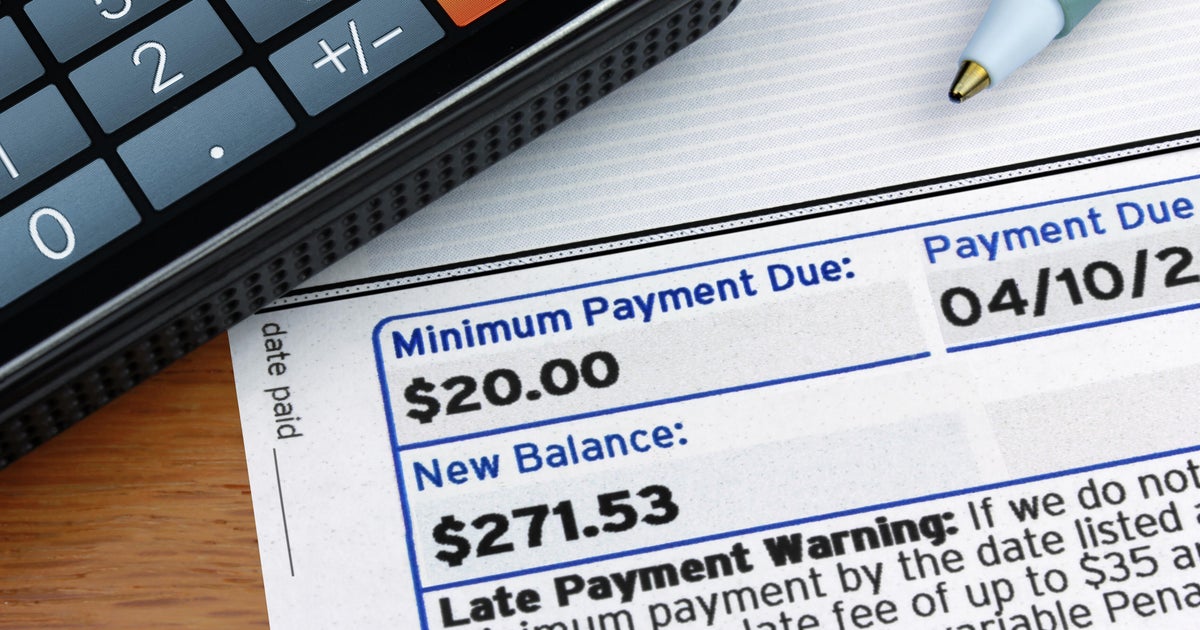
That shift has created a frustrating reality for credit card users, who, like the rest of Americans, are already juggling higher costs across the board due to high and rising inflation. With budgets stretched thin, many cardholders have reached the point where paying anything beyond their card’s minimum payment feels impossible. And while making the minimum payment will typically keep the account in good standing, it can also extend the repayment timeline dramatically while allowing interest charges to pile up.
The good news is, though, that being limited to the minimum payment doesn’t necessarily mean you’re out of options. There may be ways to reduce your interest costs, lower your monthly payments or address your debt before it becomes even more difficult to manage. So, what are they? Below, we’ll examine several worth considering.
Learn how to settle your debt for less than the full balance now.
What to do if you can’t afford more than the minimum credit card payment?
If you’re only able to make the minimum credit card payment — or are worried that the minimum payments may soon become difficult — don’t ignore the problem. Here are several options worth considering:
Call your card issuer and ask for hardship help
Calling the card issuer to ask for help is a step many people skip when they are struggling to make their payments, and it shouldn’t be. Many issuers offer hardship programs that can temporarily lower your interest rate, reduce your minimum payment or pause payments altogether if you’re dealing with a job loss, medical issue or other financial setback. These programs aren’t advertised, though, so you typically have to ask for the help you need. While each lender’s hardship options vary, even a modest rate reduction or a short-term payment pause may provide the relief you need to get back on track.
Find out what debt relief solutions you could qualify for today.
Look into a 0% balance transfer card
If your credit is still in decent shape, a balance transfer card offering 0% interest for a promotional period, typically 12 to 21 months, can stop the interest charges from continuing to accrue while you pay down principal. The catch is that qualifying for a balance transfer card typically requires good to excellent credit and most cards charge a balance transfer fee. It’s also worth noting that this option typically works best if you have a plan to pay off the balance before the promotional rate expires and reverts to a standard rate.
Consider a debt consolidation loan
Rolling multiple card balances into a single personal loan can lower your overall interest rate, since unsecured personal loans typically carry much lower rates than credit cards. Consolidating your debt in this manner also simplifies the repayment process by rolling several obligations into one fixed monthly bill with a defined payoff date, rather than revolving debt that can continue indefinitely. That said, whether you’re approved and the rate you receive depend heavily on your credit profile and debt-to-income ratio, so it’s worth comparing offers before committing.
Work with a nonprofit credit counselor
Credit counseling agencies can review your full financial picture and, if appropriate, enroll you in a debt management plan. These plans are tailored to your budget and consolidate your card payments into one monthly amount, generally with reduced interest rates and fees that the credit counselor negotiates with your creditors. And, unlike some of the other options, counseling sessions are usually free or low-cost, making this a smart option for borrowers who just need a little extra help.
Explore debt settlement cautiously
Debt settlement involves negotiating with your creditors to agree on a reduced lump sum instead of your full balance. This approach can meaningfully reduce what you owe, but it typically requires you to stop making payments while funds are set aside for settlements, which impacts your credit score and can trigger collection calls or lawsuits in the meantime. However, the average borrower’s balance is reduced by 30% to 50% during the settlement process, which can make it worth the downsides. That said, settlement is generally best reserved for situations where bankruptcy is the only other realistic alternative.
Understand when bankruptcy makes sense
For debt that has become truly unmanageable relative to your income, bankruptcy remains a legal option that can discharge or restructure what you owe. It carries serious, long-lasting credit consequences, but it also offers a legal fresh start that other options can’t guarantee. Speaking with a bankruptcy attorney can help you determine whether Chapter 7 or Chapter 13 fits your situation before you rule it out or rush into it.
The bottom line
Making only the minimum payment isn’t a failure, but it also isn’t a plan. With delinquencies climbing and interest rates still historically elevated, the difference between cardholders who stay in control and those who don’t often comes down to how early they explore their options. Whether that means a phone call to your issuer, rolling multiple debts into a consolidation loan or taking another path, acting before you’re forced to is almost always the less costly approach.