
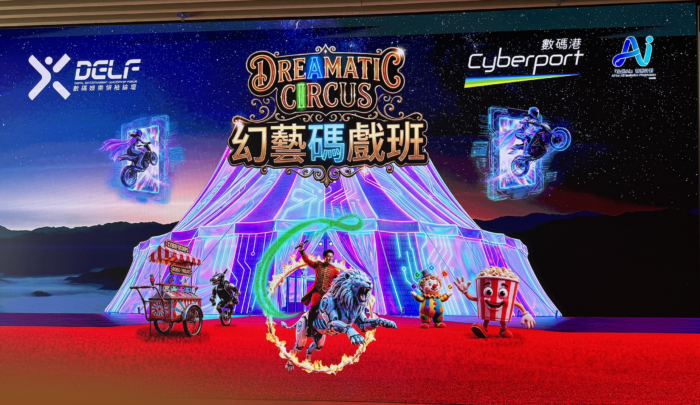
HONG KONG – The Hong Kong SAR government is moving from AI strategy planning to active execution focusing on infrastructure expansion and application-driven development. This was announced by Secretary for Innovation, Technology and Industry, Professor Sun Dong, at the Digital Entertainment Leadership Forum (DELF 2026) on Aug. 28.
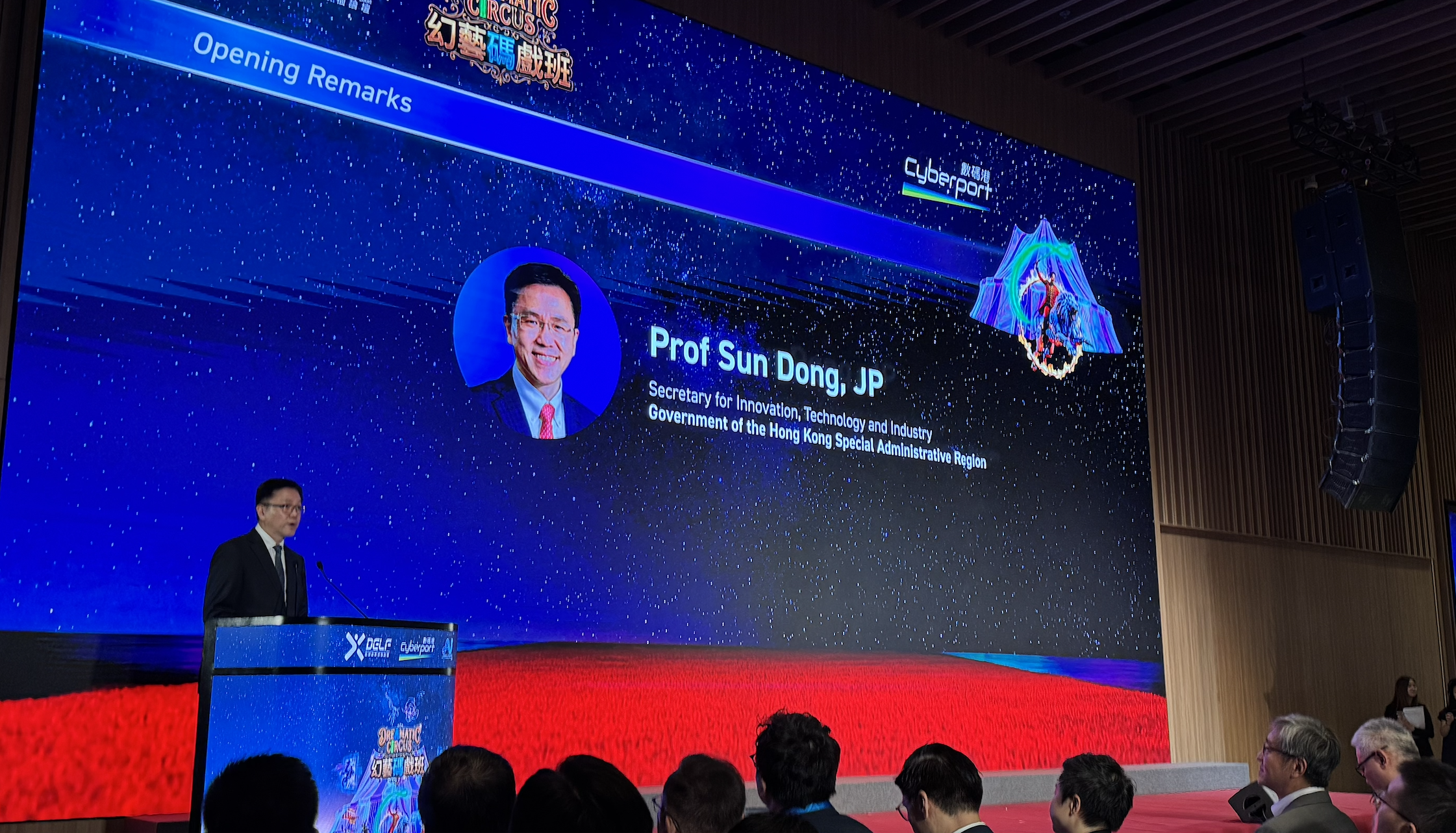
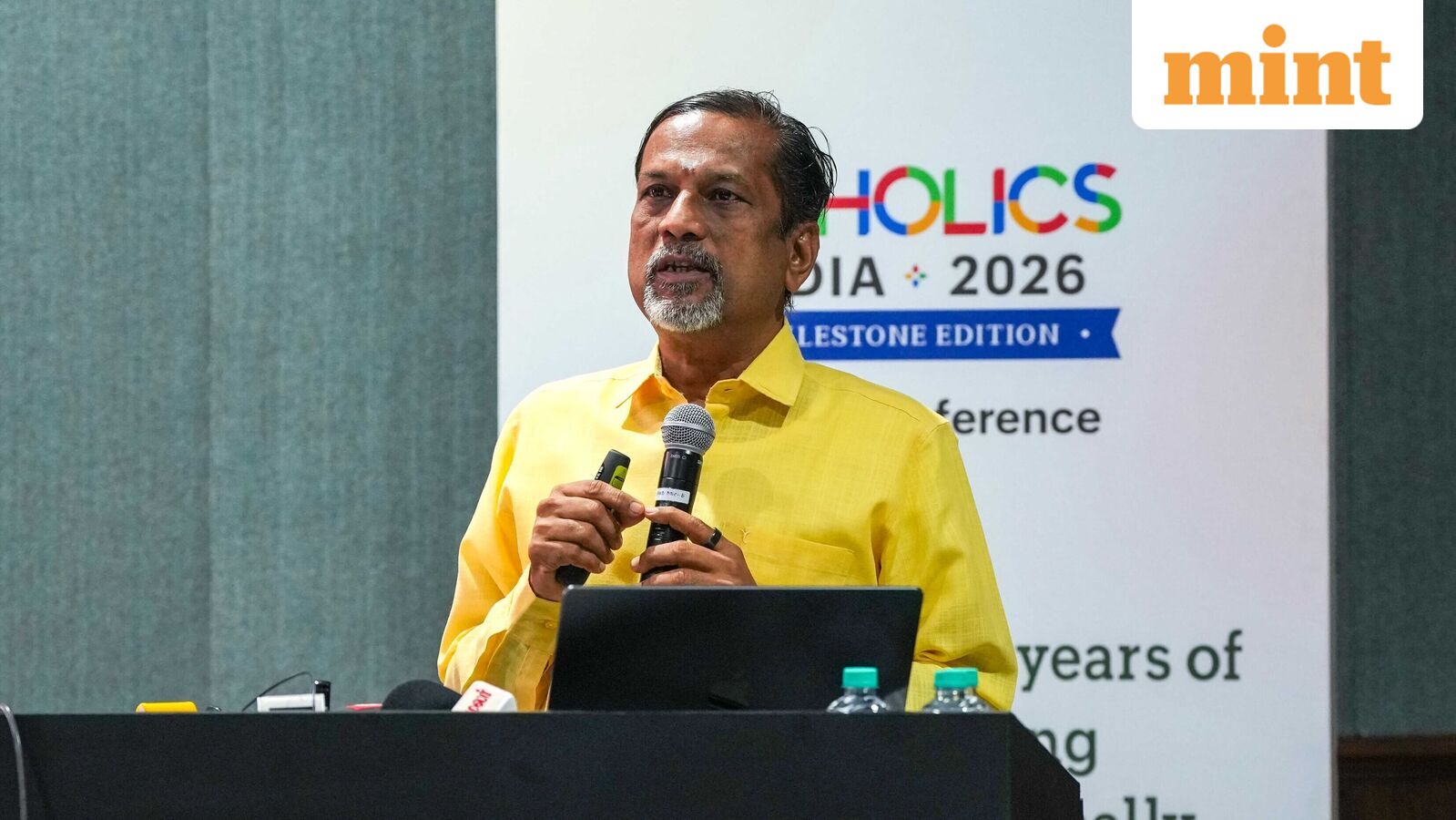
Secretary for Innovation, Technology and Industry, Professor Sun Dong. Photo credit: The Astana Times
“The committee on AI+ and Industry Development Strategy is established to empower industrial transformation through AI, with an initial focus on health technologies and embodied AI, extending to transportation, cultural and creative industries, and more. The Hong Kong AI Research and Development Institute will also come into operation later this year to translate upstream research into real-world applications,” said Professor Dong in his opening remarks.
Key initiatives also include a risk-based ethical AI framework, AI adoption in 100 public procedures and a growth in computing power at Hong Kong’s IT hub Cyberport.
“AI is transforming the digital entertainment industry, turning imagination into unprecedented experience,” emphasized Professor Dong. “And technology only serves its purpose when everyone can participate in it. That is why we launched the $50 million AI for All Inclusive Program – Cyberport, the Hong Kong Science and Technology Parks, and the Hong Kong Productivity Council will roll out awareness-raising programs and practical training targeting at different sectors of the community to promote AI awareness and enhance professional skills as well as competitiveness through AI.”
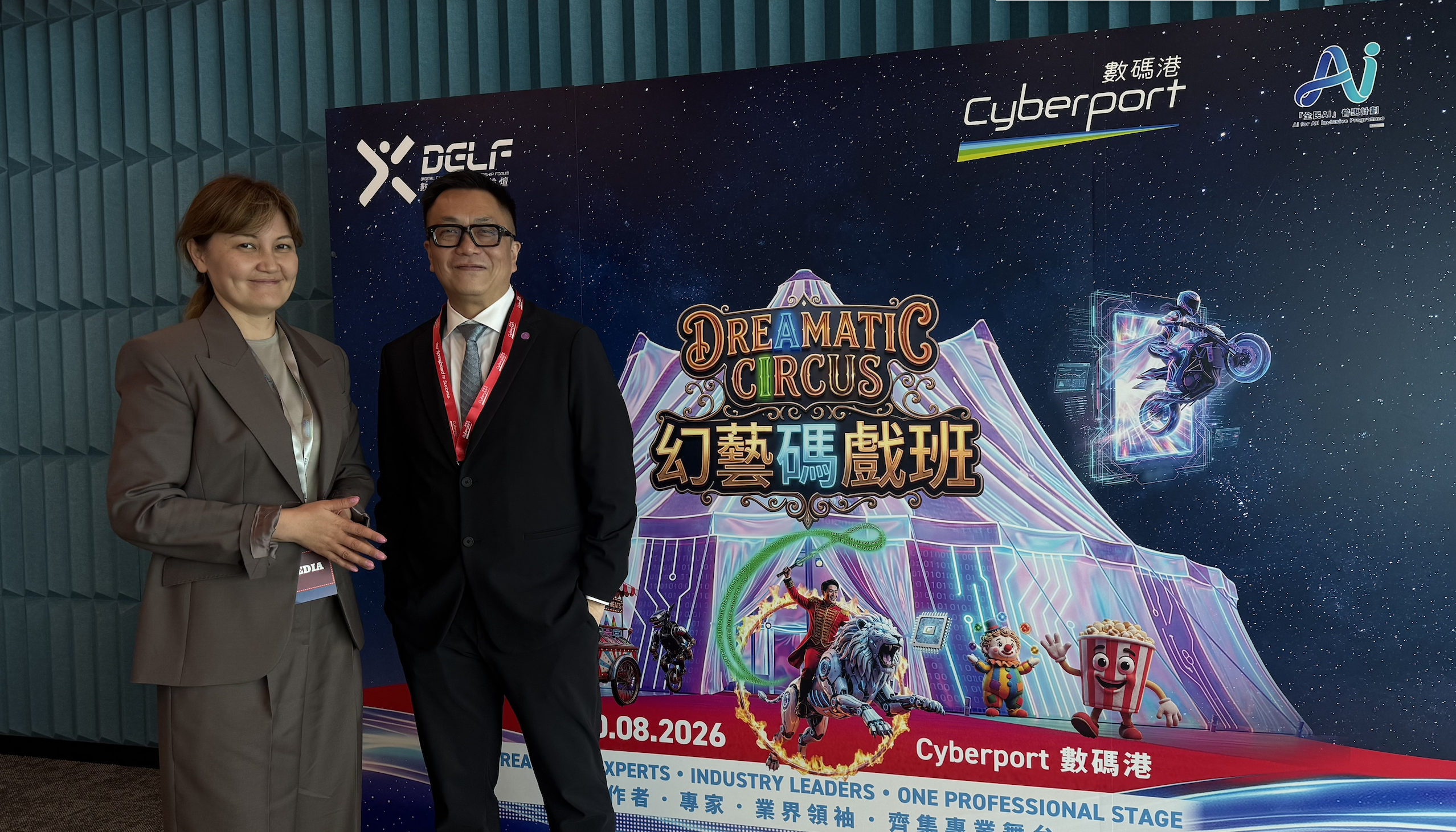
Zhanna Shayakhmetova, the Editor-in-chief of The Astana Times and Terry Lam, the Dean of the School of Film and Television at The Hong Kong Academy for Performing Arts during a meeting on Aug. 28 in Hong Kong.
The creative industry has already observed the impact of these changes, according to Terry Lam, Dean of the School of Film and Television at The Hong Kong Academy for Performing Arts.
“In the old days, if you went to any university in Hong Kong, they would not talk about the creative industry. Now, even if you go to the most famous or high-ranking university in Hong Kong, in an engineering course or scientific course, they will still have a sub-topic called the creative industry,” he said.
Terry Lam also expressed strong interest in collaborating with arts institutions across Central Asia noting substantial opportunities for cross-cultural exchange.

The electric vertical take-off and landing (eVTOL) aircraft project, jointly collaborated on by Cyberport, KC Smart Mobility, a subsidiary of Kwoon Chung Group and EHang, successfully completed its inaugural test flight at Cyberport’s Waterfront on Aug. 28. Photo credit: The Astana Times.
This vision aligns with growing ties between Hong Kong and Eurasia. This June, Cyberport agreed on cooperation with Central Asian’s largest innovation clusters Astana Hub and IT Park Uzbekistan during a visit of Hong Kong business delegation to Kazakhstan and Uzbekistan, led by Chief Executive John Lee. The partnership focuses on technology transfer, supporting tech companies in areas such as AI, fintech, smart city solutions and Web 3, and facilitating overseas expansion and global market access for innovation and technology companies from both regions.
Held under the theme “Dreamtic Circus,” the three-day forum featured four themed experience zones: digital entertainment, culture and arts, smart living and business, and robotics and drones. Major showcases were the immersive interactive art exhibition titled “Gudo: Another World,” Harbour dreams VR/XR simulator guided by AI panda An An flying over Hong Kong sights and an eVTOL, the city’s first passenger drone test flight.
The event also hosted AI interactive workshops, film screenings, drone performances and competitions.








Leave a Reply