

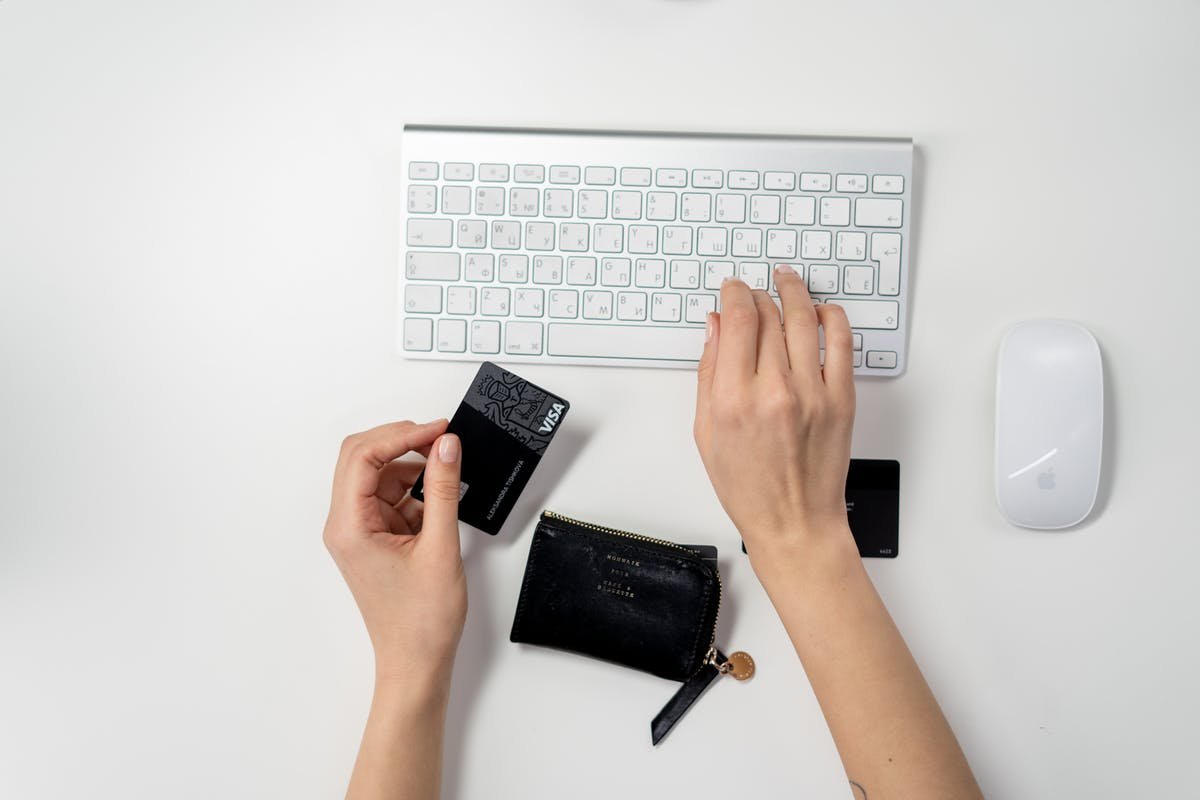
Mobile Devices: The New Wallets
Phones have seamlessly transitioned into being the quintessential wallets of modern life. The Federal Reserve’s 2025 Diary of Consumer Payment Choice reveals that, in 2024, U.S. consumers executed an average of 11 transactions monthly via mobile devices, a remarkable rise from just four in 2018.
This trend is particularly pronounced among younger demographics, with adults aged 18 to 24 conducting a staggering 45% of their transactions through their smartphones.
Traditional checkout methods, reliant on cumbersome card input, are increasingly obsolete. In the realm of ecommerce, payment methods are now more influential in driving sales compared to product presentation.
Digital wallets and Pay by Bank effectively address two critical weaknesses: the tediousness of manual data entry and the high costs associated with card processing.
Challenges Facing Ecommerce Payments Today
Several factors contribute to friction during the checkout process, primarily excessive typing, insufficient trust, and mismatched options. Each of these barriers can adversely affect conversion rates, necessitating distinct strategies for resolution.
The Dangers of Manual Card Entry
Standard card input forms frequently request the card number, expiry date, security code, name, and billing address. On smaller screens, each additional field exacerbates the likelihood of typographical errors, validation failures, or abandoned purchases.
The urgency of addressing these issues is paramount. The aforementioned Federal Reserve study indicates that 23% of consumer transactions and peer-to-peer payments in 2024 were conducted remotely, a figure that has steadily escalated since 2021.
Card Fees and Their Impact on Profit Margins
Every card transaction incurs interchange and scheme fees, which can significantly impact high-ticket or low-margin sales categories. For many merchants, the true costs remain obscured, as these fees are typically aggregated into a single blended rate.
Enhancing Checkout Efficiency with Digital Wallets
Digital wallets drastically streamline the checkout process by eliminating the need for lengthy forms, replaced instead by a single tap and biometric verification.
Platforms like Apple Pay, Google Pay, and PayPal retain the customer’s payment and address information, allowing merchants to receive essential details almost instantaneously.
This swift modification is one of the most effective enhancements for mobile ecommerce transactions.
Advantages of Digital Wallets in Ecommerce Payments
Digital wallets provide a more immediate solution to the challenges posed by mobile payment processes than redesigning forms. Their principal benefits encompass:
- Speed: One-tap checkout significantly reduces manual input requirements.
- Security: Tokenization ensures that only a device-specific token is transmitted to the merchant, safeguarding sensitive card information.
- Authentication: Biometrics, such as Face ID or fingerprints, verify the buyer’s identity and reduce the risk of fraudulent transactions.
- Familiarity: Shoppers exhibit trust in buttons that they frequently utilize across different platforms.
Integrating Wallets into Your Online Store
The most efficient strategy involves leveraging a gateway that aggregates multiple wallets into one cohesive integration, such as Stripe or Mollie.
Wallet buttons should be prominently displayed not only at checkout but ideally also on cart and product pages. It is crucial that only wallets compatible with the user’s device are shown, as unsupported buttons can erode consumer trust.
Pro Tip: Conduct tests on physical mobile devices as opposed to emulators. The functionality of address transfer, discount application, and tax recalculation can behave differently on actual devices.
Note: Most wallets still operate within the confines of card networks, thus enhancing conversion rates but rarely reducing transaction fees.
Understanding Pay by Bank and Its Significance
Pay by Bank constitutes an account-to-account (A2A) payment method that facilitates direct transactions from the customer’s bank account to that of the merchant, circumventing card usage.
Customers choose their bank, authorize the transaction within their banking application, and return to the merchant’s site.
The Accelerated Growth of Bank Payments
Bank payments are gaining traction rapidly, evolving into a mainstream option across various markets.
According to Open Banking Limited’s seventh Impact Report, approximately 31 million open banking transactions occurred in the UK in March 2025, representing 8% of all Faster Payments. This volume has sustained an annual growth rate of roughly 70%.
This trend transcends the UK, with Brazil’s Pix operational since November 2020, and the U.S. rolling out the FedNow Service in July 2023.
For ecommerce, this indicates an increasing number of consumers are familiar with authorizing bank transfers in seconds.
Cost and Security Benefits of Bank Payments
Transactions executed via bank payments elude the traditional card networks, thereby circumventing interchange and scheme fees.
Additionally, banking credentials remain solely with the customer’s financial institution and never reach the merchant’s infrastructure.
The combination of reduced costs and limited vulnerability to fraud represents a rare advantage in ecommerce payment methods.
Steps to Implement Pay by Bank
- Select an aggregator. Use providers like Stripe or Solidgate that connect to numerous banks and local real-time systems through a singular integration.
- Ensure prominent button placement. The “Pay by Bank” button ought to be positioned alongside card and wallet options, avoiding hidden menus.
- Optimize the transition. The process of redirecting to the banking application and back must be efficient and mobile-optimized.
- Clarify security in simple language. A brief confirmation that login details remain private with the bank can alleviate customer apprehension.
Essential Note: A2A payments do not incorporate the card-network chargeback mechanism, necessitating clear refund policies at checkout.
Wallets Versus Pay by Bank: Which is More Suitable?
Neither wallets nor Pay by Bank serve as substitutes for one another in the ecommerce landscape; they address disparate issues. The comparison below establishes traditional card payment methods as a baseline.
| Factor | Cards | Digital Wallets | Pay by Bank |
|---|---|---|---|
| Checkout Speed | Slow (manual entry) | Very Fast (one tap) | Moderate (bank redirection) |
| Typical Fees | Interchange + scheme fees | Generally card-level fees | Often lower, no card fees |
| Data Shared with Merchant | Card Number | Token | No card data |
| Chargebacks | Card-network process | Card-network process | No card framework |
| Optimal Use Case | Universal fallback | Mobile shoppers | High-value orders |
Determining the Most Appropriate Ecommerce Payment Solution
The ideal ecommerce payment solution accommodates cards, wallets, and bank transfers through a single integration and unified dashboard. Fragmented payment infrastructures complicate transaction reconciliation and obscure performance insights.
Furthermore, reputable providers systematically arrange payment options according to country and device, ensuring that shoppers encounter familiar selections first.
What Metrics Should Be Assessed Post-Launch?
Evaluating performance should occur on a per-method basis, rather than as a singular blended score. Key metrics include:
- Checkout conversion rates segmented by device
- Success rates for each payment method
- Average processing costs per completed purchase
- Dispute and refund incidence rates
A straightforward equation can facilitate comparisons: Effective cost per order = total fees for a method ÷ completed orders through that method.
Analyzing ecommerce payment data using this approach illuminates areas where bank payments are cost-effective and where wallets enhance conversion rates.
Are digital wallets secure for online transactions?
Indeed, digital wallets rank among the safest methods for facilitating online payments. Tokenization safeguards the customer’s actual card number from merchants.
Moreover, the implementation of biometric verification adds an added layer of protection against compromised passwords.
Is Pay by Bank viable for international clientele?
Pay by Bank is most effective in regions where robust open banking frameworks or real-time banking infrastructures exist, such as in the UK, EU, and Brazil.
While aggregators can enhance accessibility, coverage may differ; thus, it is advisable to verify local support in each market prior to deployment.
Can wallets and Pay by Bank reduce transaction fees?
Pay by Bank has the potential to lower costs, whereas wallets typically do not. Bank transfers evade card networks and their associated fees; conversely, most wallet transactions are still processed in accordance with card payment frameworks. Wallets justify their use by facilitating higher conversions rather than cost reductions.
How many payment options should be displayed during checkout?
Checkout interfaces should feature only the most pertinent payment options for each individual shopper.
Presenting methods based on geographical location and device capabilities maintains a streamlined experience while ensuring familiarity. An excess of choices may impede decision-making and negatively impact conversion rates.
What is the first step toward enhancing ecommerce payment processes?
The initial step involves assessing the existing checkout experience on a mobile device. By counting form fields, timing the workflow, and observing where consumers disengage, businesses can identify the most pressing areas for enhancement.
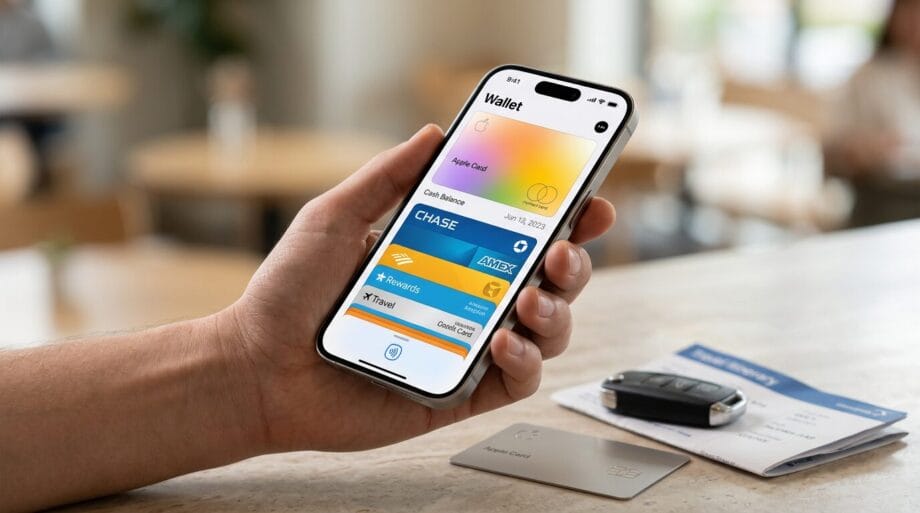
Wallets tend to address speed issues primarily, while Pay by Bank focuses on cost reductions thereafter.
Source link: 365retail.co.uk.
Discover ShopOpen24 Marketplace
Explore products from local sellers, including fashion, food, handmade items and more.
Explore ShopOpen24 →ShopOpen24 | Local Products. Global Reach.










Leave a Reply