
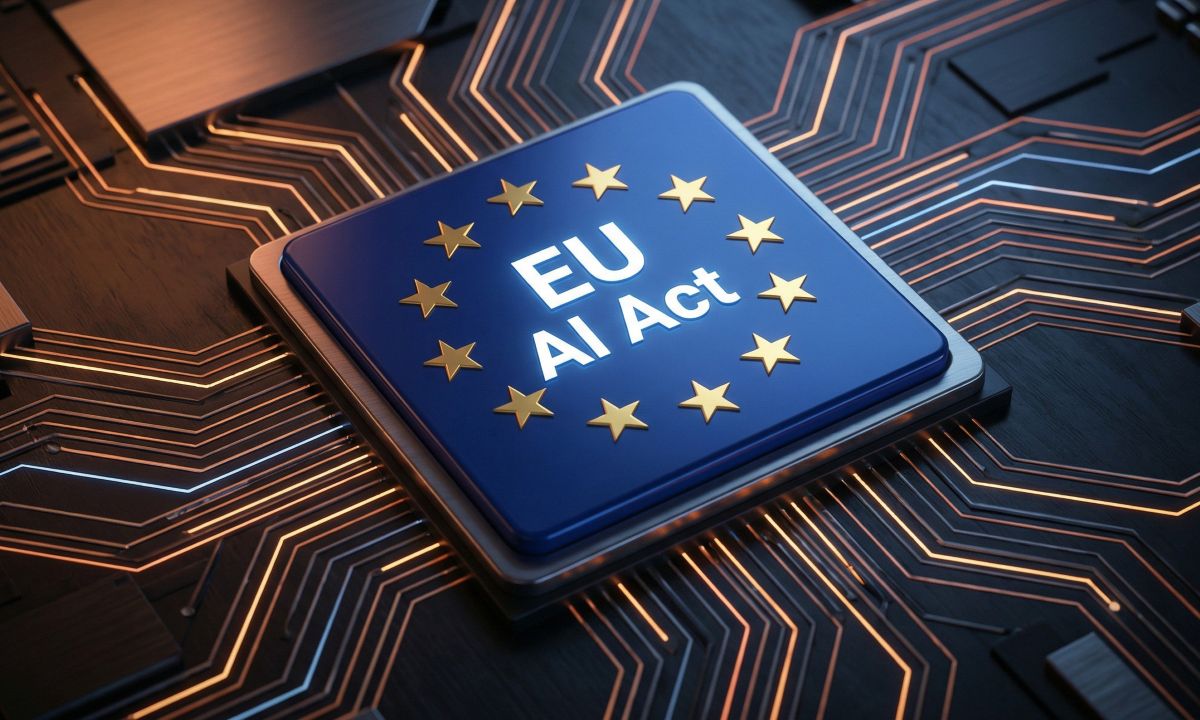
The guardrails put in place by the European Union’s AI Act are capable of meeting the risk posed by rogue artificial intelligence agents, EU tech chief Henna Virkkunen told Reuters in an interview published Friday (Oct. 9).
“We see that the safety and security of very capable models is a very hot topic internationally and we in Europe are well equipped for that,” Virkkunen said. “We have our AI Act in place and the AI Act covers the whole life cycle of these models.”
Virkkunen said that regulators are offering guidance to companies on how to evaluate their models and that policymakers foresaw the need for risk assessments, external experts and continued monitoring of AI models.
The European Commission sent requests for information in late August to more than 30 AI companies, seeking details about their safety and security measures and other issues, and Virkkunen is now assessing their responses, she said in the report.

We’d love to be your preferred source for news.
Please add us to your preferred sources list so our news, data and interviews show up in your feed. Thanks!
“I think that all these capable models, of course they are posing new kinds of risks that we have to be aware of,” Virkkunen said, per the report.
When the AI Act reached provisional status in December 2023, PYMNTS reported that it was the first comprehensive and binding bill around AI. The report also said that there were concerns among industry and government leaders that the AI Act focused too much on controlling for AI’s risks, and not enough on allowing for its rewards.
PYMNTS reported in February 2024 that the AI Act established four risk levels for foundation models and frontier AI systems and apply tiered restrictions around their market deployment.
When the European Commission approved the AI Act in May 2024, it said the law was the first of its kind in the world and may set a global standard for the regulation of AI.
Friday’s Reuters report was published on the same day it was reported that Japan’s government agencies are racing to improve the country’s cybersecurity measures after more than 20 major companies disclosed cyberattacks in recent weeks. It was reported that the ability of AI to carry out sophisticated attacks, easily and inexpensively, contributed to the threat.
The report also came about two weeks after the CEOs of rival AI companies Anthropic and OpenAI addressed a United Nations Security Council meeting and agreed that there is a need for global standards to address potential risks around AI and that both governments and the industry should be involved in decisions about the technology.
For all PYMNTS AI coverage, subscribe to the daily AI Newsletter.






Leave a Reply