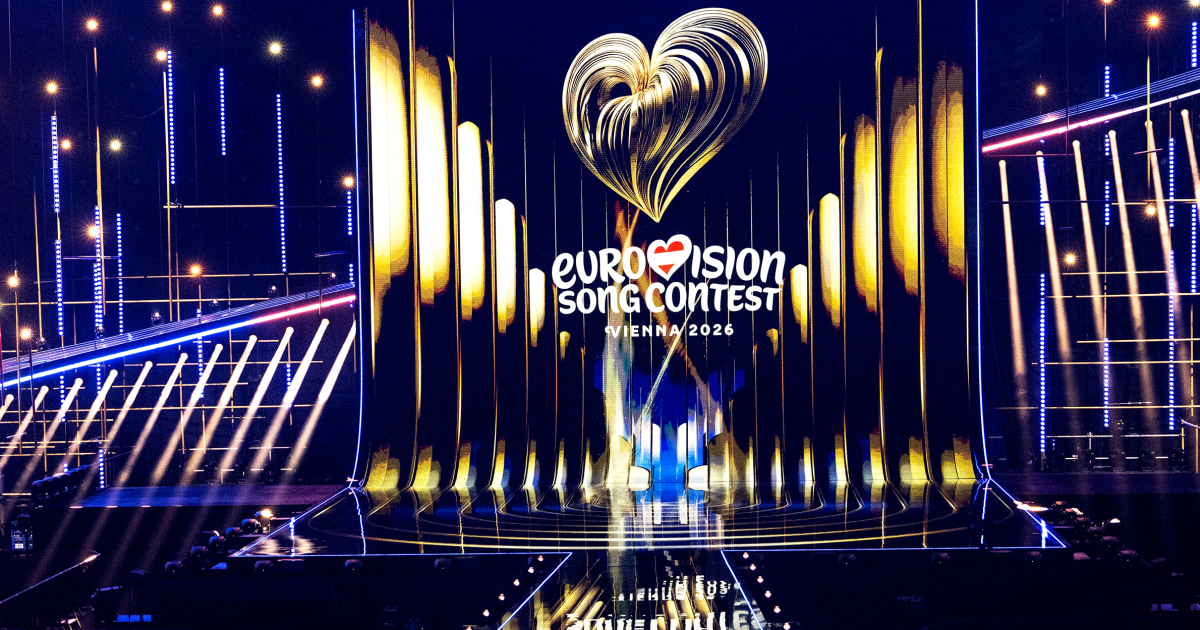
As the contest celebrates its 70th edition this year, though, the spectacle garnering the most discussion is happening offstage.
Five countries — Spain, Slovenia, Iceland, Ireland and the Netherlands — have pulled out of the contest over the continued participation of Israel, driving the number of participants to its lowest level since 2003. The winner in 2024, Swiss singer Nemo, returned their trophy in protest at Israel’s inclusion.
While Israel’s deadly military assault in the Gaza Strip has fueled protests and political blowback across much of Europe, there is also outrage over a perceived Israeli effort to leverage its involvement in the song contest for soft power.
The results of the contest, which organizers say reached 166 million viewers last year, are decided by a mix of votes from juries of music professionals and votes from viewers at home in each country. Last year, despite being ranked 15th by the juries, Israel handily won the televote and secured second place overall.
While countries can’t vote for their own act, viewers last year were able to vote up to 20 times for their favorite artist. Israel made a concerted push for support, with Prime Minister Benjamin Netanyahu even posting on social media urging followers abroad to vote for Israel the maximum amount.
This year, the rules have been tweaked so that only 10 votes can be cast, and broadcasters have been told they should not be directly encouraging people to max out their votes.
Israel’s entry is Noam Bettan. His song, “Michelle,” blends English, French and Hebrew, describing attempts to quit a toxic relationship.
“Governments don’t take part in Eurovision. Public broadcasters do,” Green noted. “But there was a feeling last year that there was some influence being exerted, and, of course, a very passionate debate going on globally about activities in the Middle East.”
He added that he hoped the five countries would return.
This is not the first time Eurovision has found itself in trouble, according to Dean Vuletic, an academic who has written a book about the contest. He cited a period in the 1960s when the contest was at risk of collapsing altogether.
“Eurovision has been in many crises. It’s weathered many controversies throughout its history,” he said. “So I just see this as another chapter in that history.”