

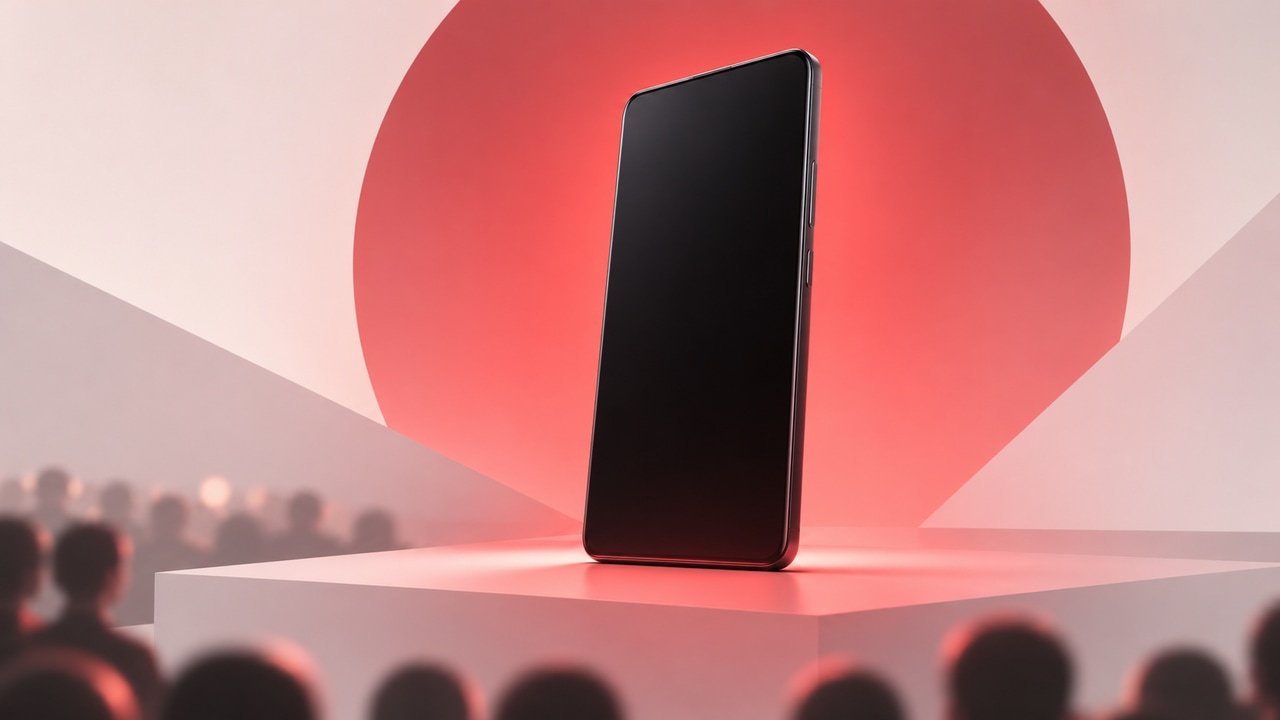
Huawei sold off its cheaper phone label to survive US sanctions, and it’s now building a new one with AI as the pitch. If you follow phones, chips or China’s tech fight with Washington, this is a test of whether Huawei can win the middle of the market again.
Huawei’s Osta sub-brand, called Xingmang in Chinese, is due to debut on Friday, November 20, at 2:30pm Beijing time, which is 6:30am UK time. Richard Yu, chairman of Huawei’s Consumer Business Group, confirmed the date in a social media post, according to Silicon UK and TechNode. The first two phones are the Osta O1 and the Osta O1 Pro.
Huawei sold Honor in late 2020 to protect that business from US sanctions. Six years on, it’s starting a new label from scratch inside the parent company, and nobody has to squint to see the logic.
Yu wrote that Huawei wants to explore new AI possibilities through the brand. That’s the whole official pitch so far: no price, no chip, no spec sheet from Huawei itself before the event.
Osta is a sub-brand, not a new company. Silicon UK reported it targets mid-to-high-end buyers, and Tech-ish said it will open with two wide-screen phones. Reports say it will later stretch to tablets, watches and other products, though Huawei hasn’t listed any.
Plenty of detail has leaked, and you should treat all of it as unconfirmed until the event. Tech-ish and others point to a flat 6.39-inch screen with an unusual 16:9.5 shape on the O1 Pro, and several outlets say Kirin chips will power the phones. Pre-orders were reportedly open in China before launch. Price is the open question: store staff quoted by Gagadget guessed 4,000 to 6,000 yuan, roughly $560 to $840, and one blogger floated 4,199 yuan. Huawei hasn’t said anything about it.
The launch is reportedly China-only, so don’t expect to buy one in London or New York.
Why start a new brand at all?
Frankly, the timing says more than the name. Huawei’s flagship Mate and Pura lines sit at the top, and Honor, now independent, has spent six years taking the buyers Huawei left behind. A fresh label lets Huawei chase that crowd without cheapening the main brand, and without telling anyone it’s competing with its old unit. Honor is the obvious rival, and Huawei doesn’t need to say so.
It’s also a way to sell a story. Huawei has leaned on home-grown chip design to offset US curbs, as The Standard noted of its recent Mate 90 launch, and a mass-market brand built on AI features lets it point at software rather than at transistor counts. That’s a smart move when you can’t buy the best foreign chips. It also leaves a hole in the plan: an AI phone is only as good as the assistant inside it, and so far Huawei has shown none of it.
If you’re a rival or a supplier, the number to watch isn’t the first-day buzz. It’s volume. Huawei has said nothing about how many units it expects to ship, and Osta only matters if it sells in the millions at a price that undercuts its own Mate range.
Huawei hadn’t released the O1 and O1 Pro specifications or prices at the time of writing.
Also read: PDD stock jumps 12% after Temu owner misses revenue but cuts spending • Vivid Seats stock doubles as lenders agree to swap $273 million of debt for equity • Intuit sells Mailchimp to Bending Spoons for $3.68 billion and trims its outlook
This article is posted in Business News, check it out for more related stories.
Almost there. Sign in and your reply posts straight away.













Leave a Reply