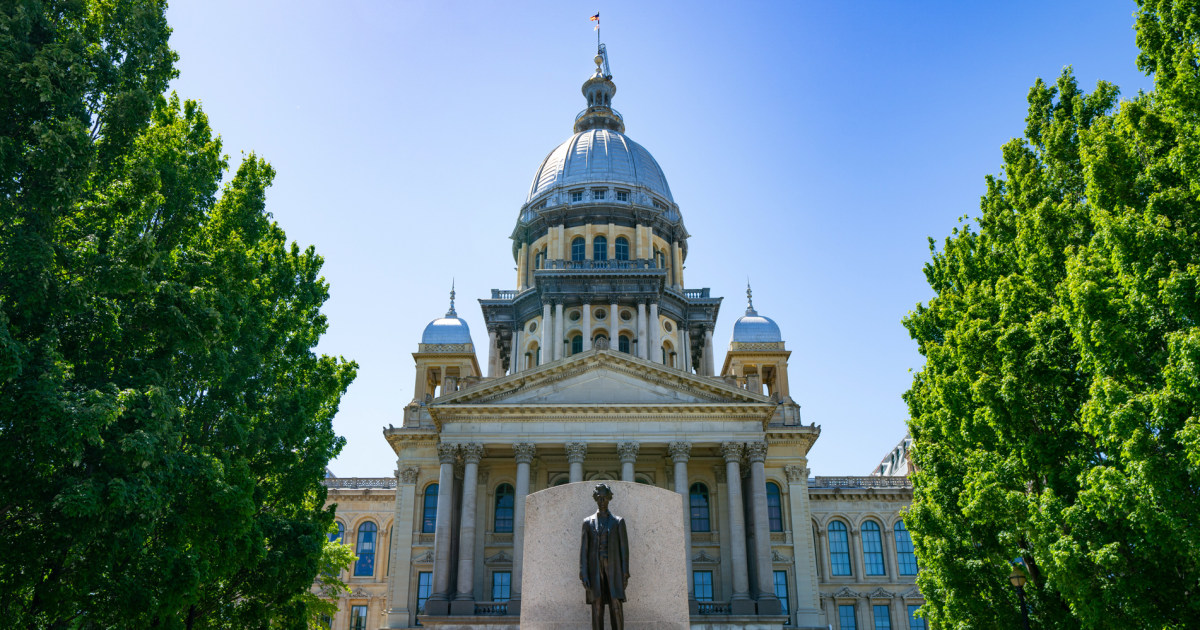
The Illinois House of Representatives passed a landmark bill Wednesday that would set a new standard for regulating America’s leading AI companies if signed by Gov. JB Pritzker.
Subscribe to read this story ad-free
Get unlimited access to ad-free articles and exclusive content.

The bill, Illinois SB 315, mirrors existing provisions in legislation from California and New York requiring frontier AI companies to create, publish and annually update a plan to address severe or catastrophic risks from their AI models.
It also mandates annual independent third-party audits of these AI companies on safety issues, which is not included in any existing AI legislation in the U.S.
“Artificial intelligence technology is among the most significant innovations, in my opinion, in the history of humanity,” said Rep. Daniel Didech, the sponsor of the bill in the Illinois House.
“It’ll make people healthier, it’ll improve quality of life, it’ll increase productivity. But the flip side of that is these tools are so powerful that there’s also some potential risk,” he told NBC News several minutes before the bill came to a vote Wednesday afternoon.
The bill passed the House 110-0. The state Senate passed it Friday. The Legislature now has 30 days to send it to Pritzker for his consideration.
“This piece of legislation is designed to put up some guardrails and make sure we have some safeguards in place to protect against some of the worst catastrophic risks,” Didech said.
Beyond requiring independent third-party audits and public safety plans, the measure creates whistleblower protections and reporting processes for the AI companies’ employees.
OpenAI and Anthropic, two of America’s largest AI companies, have publicly supported the bill, while a trade organization representing other AI companies has opposed it.
In a statement, OpenAI’s vice president of global policy, Ann O’Leary, said that as “AI systems become more powerful, clear rules around safety, transparency, incident reporting, and accountability are increasingly important.”
The bill stipulates that companies would be liable for civil penalties if they violate the new law. The bill, if signed, would take effect Jan. 1, 2027.