

DigitalOcean Holdings, Inc. (NYSE:DOCN) continues to deepen its footprint in the developer ecosystem. On August 17, its subsidiary Cloudways announced Managed AI Agents, a new product line engineered to streamline how developers, engineers, agencies, and businesses deploy and manage autonomous AI agents. Launching with OpenClaw and Hermes as its debut managed agents, with additional open-source models planned over time, the feature aims to democratize production-ready AI orchestration for mid-market teams.
The product rollout follows a blockbuster Q2 2026 earnings report. DigitalOcean generated $281 million in quarterly revenue, reflecting a 29% year-over-year expansion, while annual run-rate revenue (ARR) reached $1.125 billion. AI Customer ARR surged 212% to $234 million, driven by an 800% jump in inference services. Remaining performance obligations (RPO) ballooned 12-fold year-over-year to $894 million. Operational execution remained profitable, with adjusted EBITDA hitting $114 million (40% margin) and adjusted free cash flow at $61 million. Management subsequently raised full-year 2026 revenue guidance to $1.170–$1.180 billion (~30.5% growth).

On August 27, Truist analyst Miller Jump initiated coverage on DigitalOcean with a Buy rating and a $175 price target. The firm underscored DigitalOcean’s legacy as a core independent compute provider for small and mid-sized businesses (SMBs), noting that favorable cloud supply and demand dynamics present near-term upside while positioning the company for durable long-term growth and profitability.
This setup introduces a pivotal question for investors: Can DigitalOcean Holdings, Inc. (NYSE:DOCN)’s high-margin AI platform transformation sustain its premium SaaS valuation, or will data-center capacity bottlenecks and balance sheet liabilities limit future runway?
Bull Case
Bulls emphasize that rapid AI ARR adoption and expanding inference workloads are materially enlarging DigitalOcean’s total addressable market. Operating leverage is evident as full-year revenue guidance approaches 30.5% growth while preserving a 40% adjusted EBITDA margin. Furthermore, high-spend visibility has vastly improved: contracted backlog (RPO) expanded to $894 million, and aggressive balance sheet management, including retiring convertible notes via a recent equity offering, strengthens liquidity to fund expanding AI infrastructure.
Bear Case
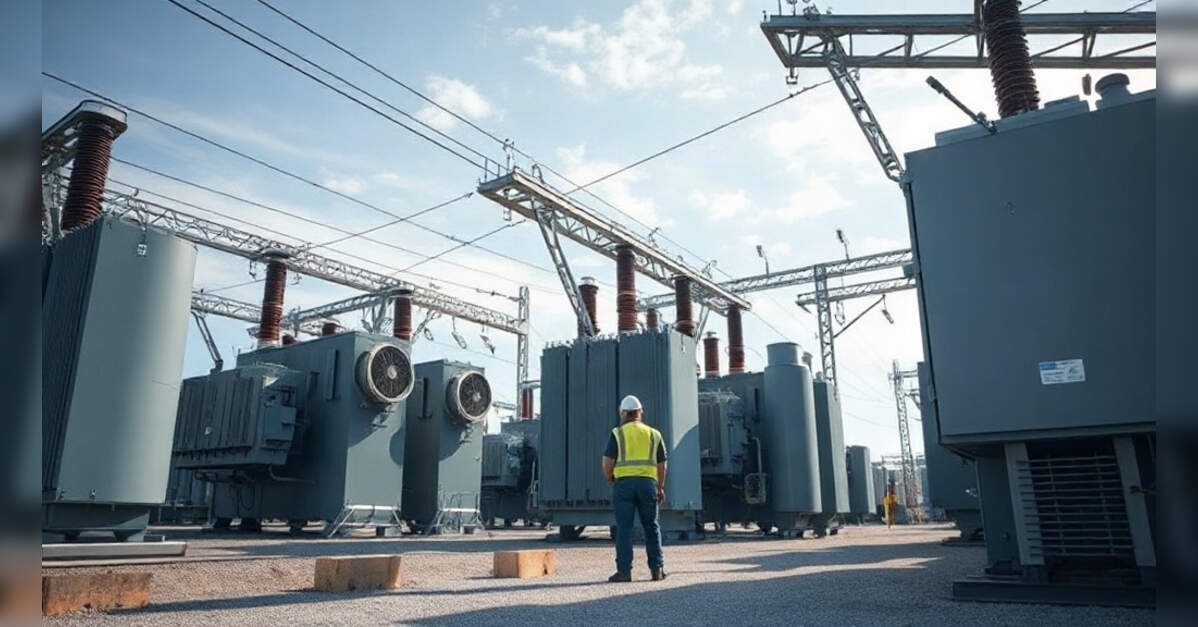
Bears point out that compute demand currently exceeds available capacity, making growth heavily dependent on complex data-center delivery schedules. Any delivery delays could defer workloads and constrain revenue conversion. Additionally, gross margins contracted from 60% to 55% due to aggressive infrastructure depreciation and co-location investments. Combined with historical balance sheet leverage and inconsistent cash conversion relative to net income, rapid capital expenditures present execution risks if growth moderates.












Leave a Reply