
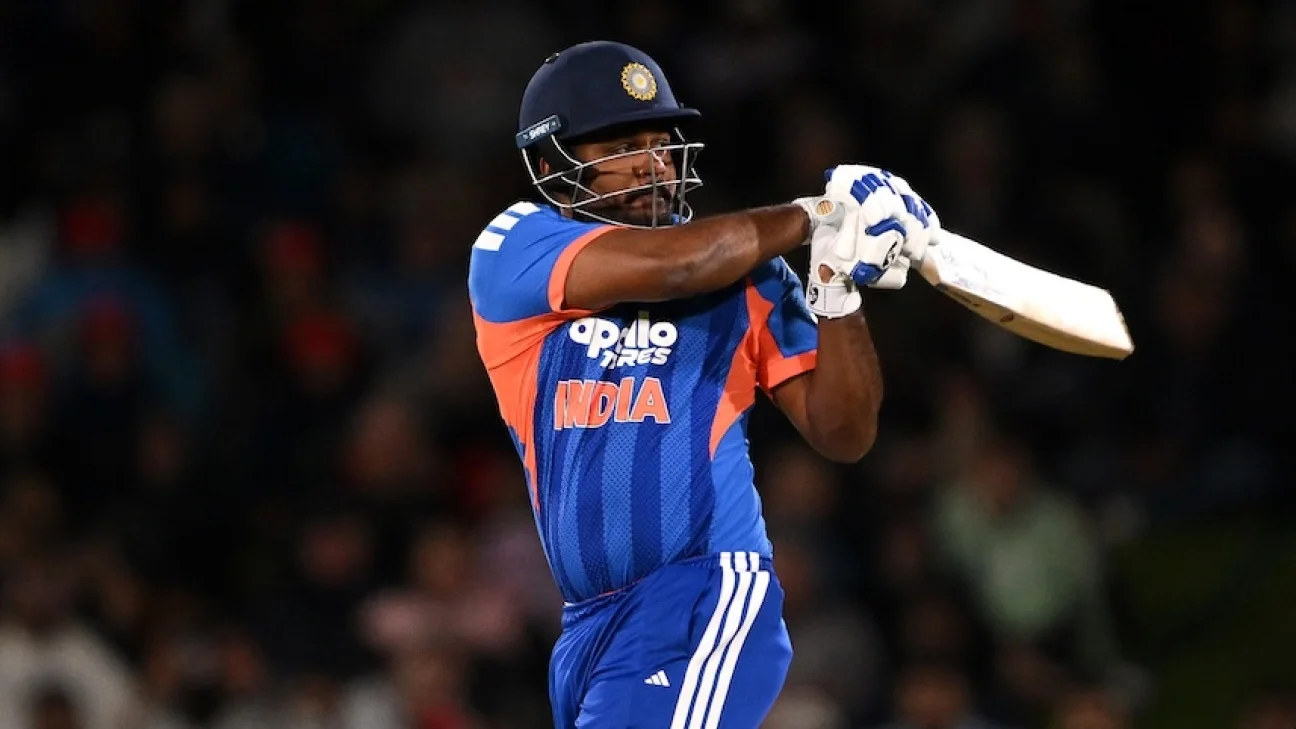
Bhuvneshwar Kumar took his time to set the field. Deep square leg, deep midwicket, long-on, deep point and long-off. He wouldn’t budge from the top of his mark until one of the leg-side boundary riders was exactly where he wanted them. Then he ran in and pitched the ball up in line with the stumps.
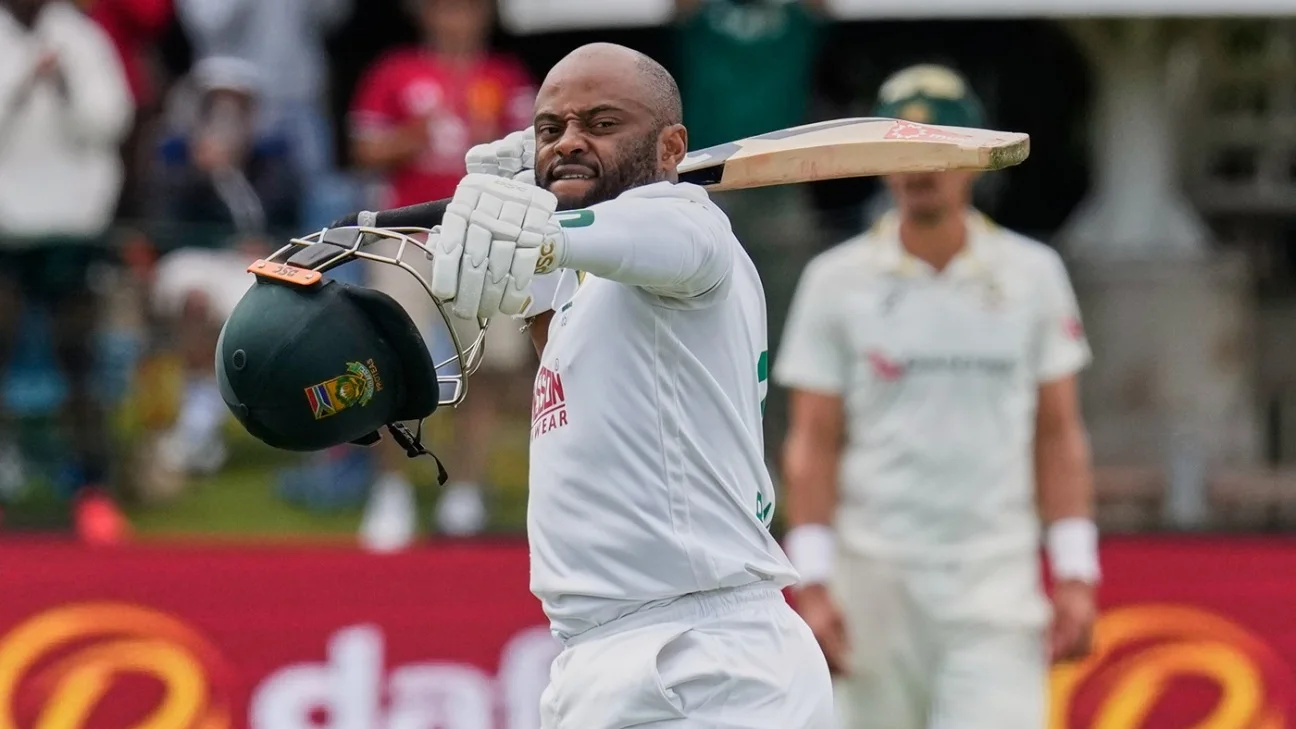
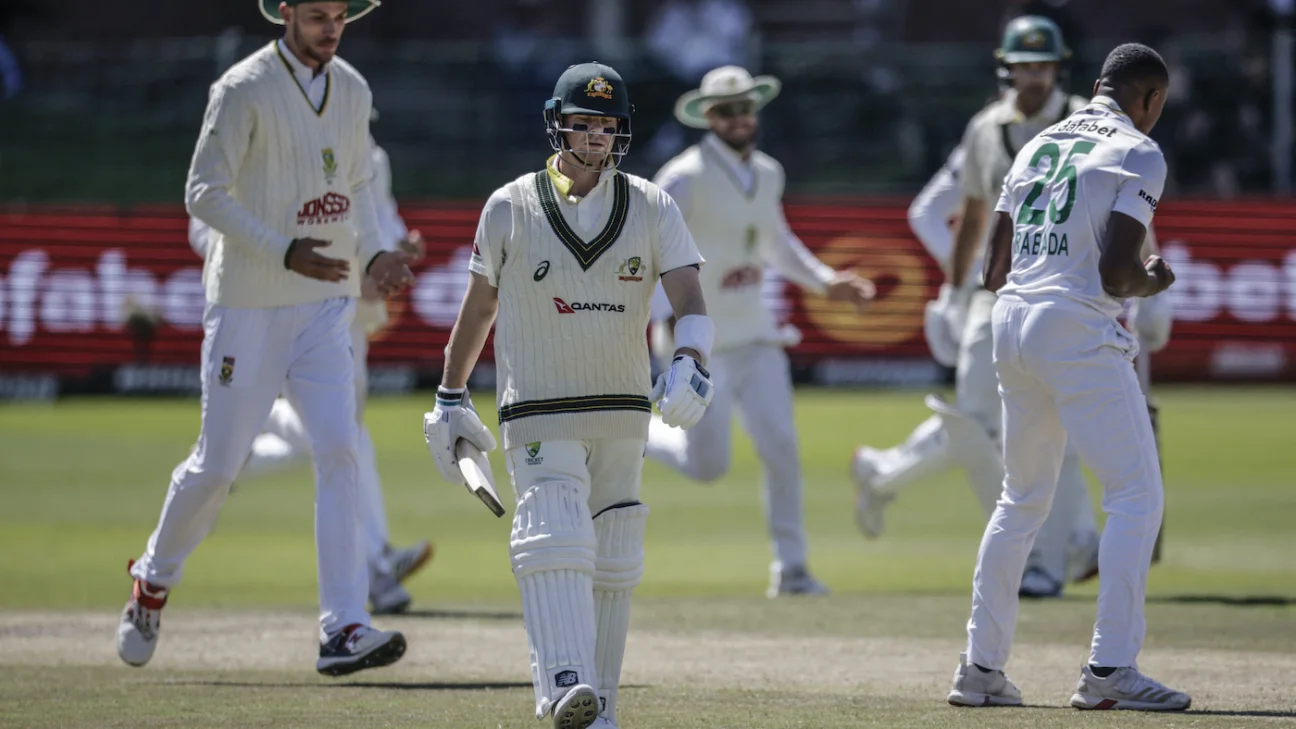
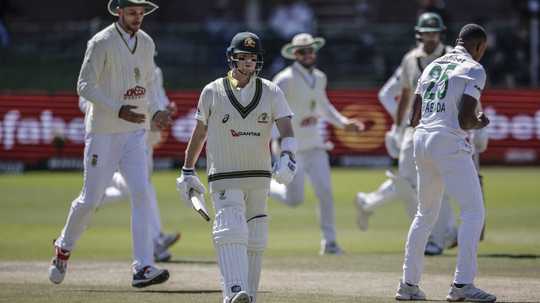
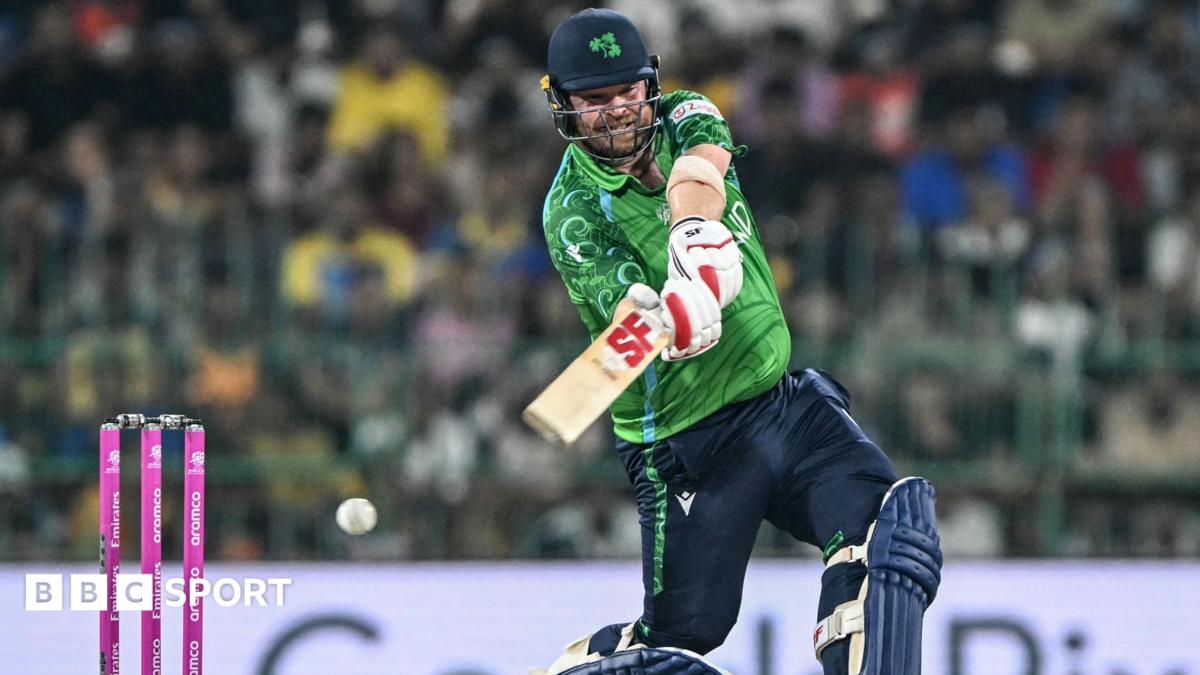
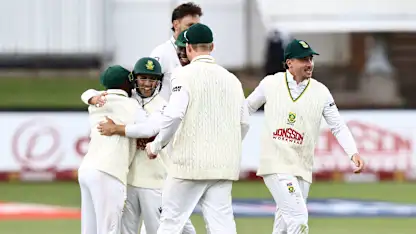
T20 has challenged the rigidity of batting technique. Playing late. Close to the body. Showing the full face. Moving forward and back based on length. Leaving based on line. They’re virtues. And they come to the fore against a superior opponent or in demanding conditions. Temba Bavuma showcased every last one of those qualities to the highest possible level in Gqeberha as South Africa swindled a Test match right out from under Australia. But even there, Travis Head, who doesn’t consider himself a true opener because he isn’t one to bat for hours and hours, grinding bowling attacks down, scored a century and made things tight. He has great hands. His technique is in service to them.
Samson’s too. In all his years, both out in the wilderness and now at the top of India’s line-up, he has never seen fit to do anything that obstructs the flow of his hands through the ball. It’s why his soft dismissals look extra soft. And why his touch play looks extra class. And even why consistency eludes him. He hasn’t built himself to be fool-proof. His focus is on getting the most out of every ball he has the chance to face, although lately he has managed to do both.
Conditions in Christchurch weren’t entirely batting friendly. Play began just as the sun set, spokes of fading light adding to the spectacle as a Maori tribesman performed the haka. There was pace and bounce. The swing seemed accentuated in the second innings in particular. But nobody really gave any thought to getting behind the ball. Plenty was given to getting at it.
The basics are changing, have been for a while. You still need a level head. You might benefit from having nimble feet. But if you have hands like Phillips and Samson, you’ll be more than fine.





Leave a Reply