
Veteran Sri Lankan coach Roy Dias emphasises the enduring relevance of Test and ODI cricket amidst the T20 revolution, urging young players to master fundamental techniques for success across all formats.

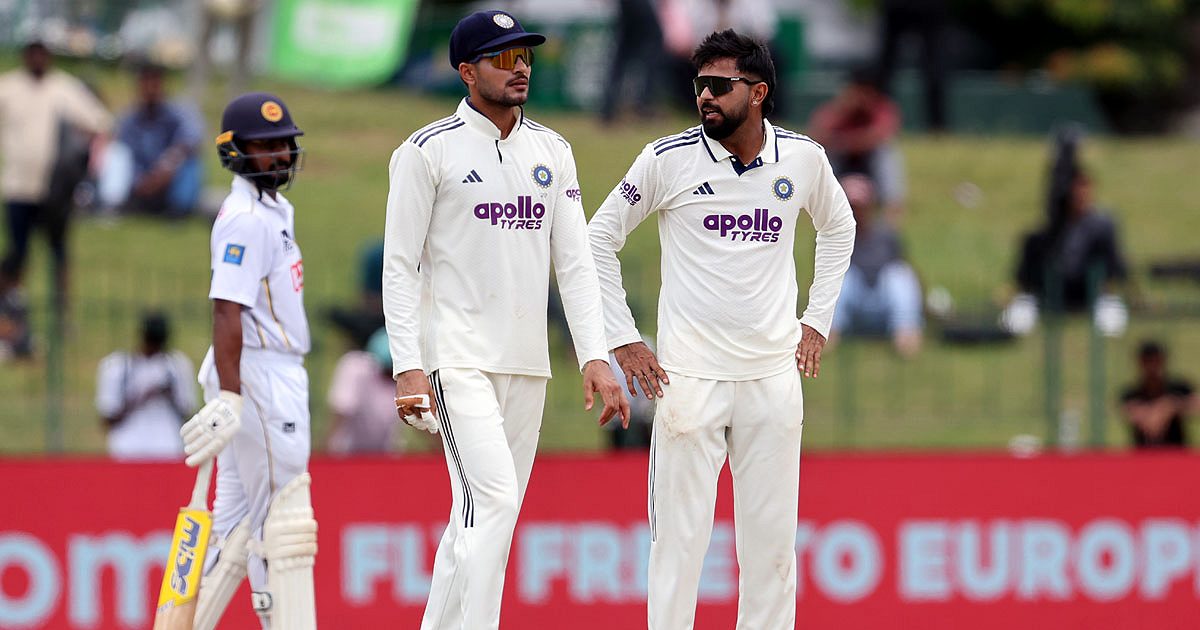
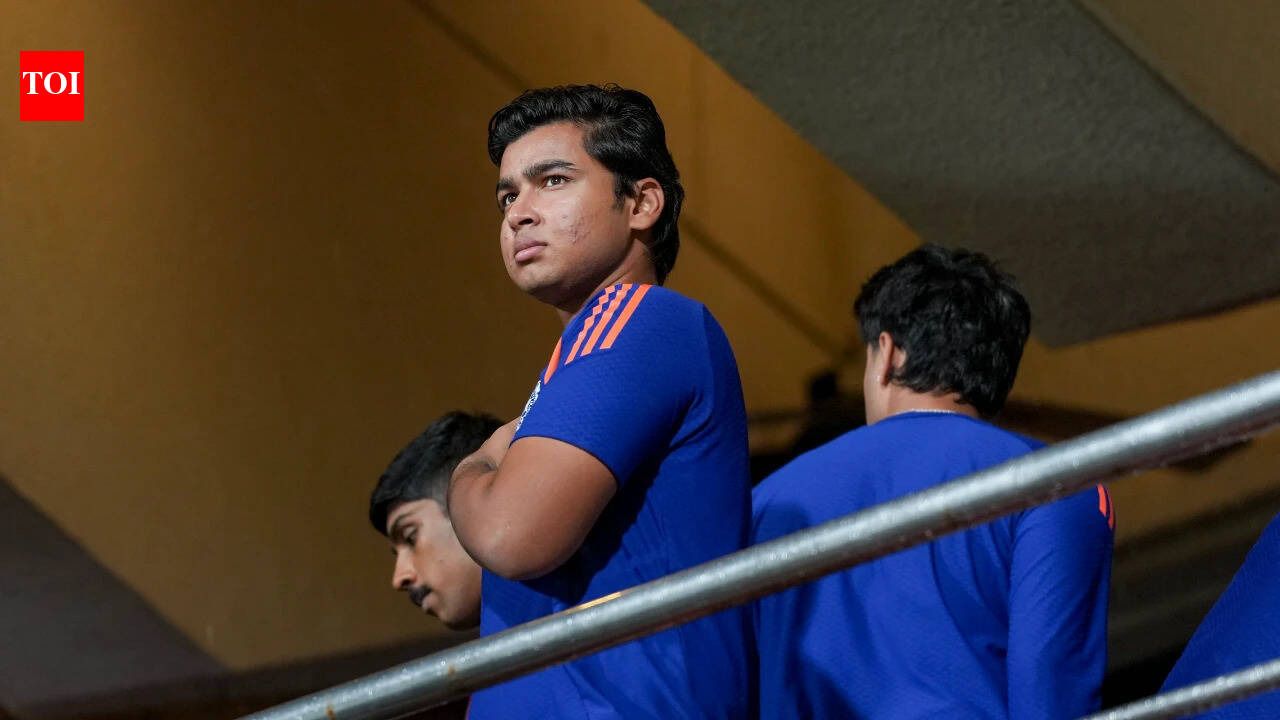
IMAGE: Shubman Gill and Saransh Jain on Day 4 of the 2nd Test in Colombo on Wednesday. Photograph: BCCI
Key Points
- Roy Dias believes Test and ODI formats have not diminished in relevance despite the T20 boom, advocating for their continued importance in cricket.
- He advises young cricketers to develop a strong fundamental technique in longer formats, which will serve as a solid base for success in ODIs and T20s.
- Dias stresses the need for players to differentiate their approach and training for each format, acknowledging T20’s permanent place in the sport.
- The veteran coach considers Test cricket the ultimate format for testing a player’s skills against bowlers and conditions.
- Dias notes a decline in sub-continent batters’ ability to play spin effectively, recalling advice from coaches like Sir Gary Sobers to play spin late with soft hands.
Former Sri Lankan batter and veteran coach Roy Dias said that the relevance of Test and ODI formats have not shrunk amid the onslaught of T20, and advised young cricketers to develop proper technique to excel in all three versions of the game.
Dias, an exponent of wristy batting in the 80s, believed the old-school virtues like patience and innings-building has a place in fast-paced modern-day cricket. “In our days, the move from Test to ODIs was a bit easier because even that format started with 60 overs and then became 50 overs. But now, we have a lot of T20 matches and leagues, and the young batsmen need to find the balance very quickly,” Dias told PTI.
Balancing Act for Modern Cricketers
“They need to treat T20, ODI and Test differently and the players need to train accordingly. You cannot ignore T20 now, because it is here to stay. With T20, they need to play only three-and-half-hours or so and bowl a maximum of four overs. Batters need to try and hit even good balls for fours or sixes.
“So if you train only for that format, it will be tough to play other formats which are played over a longer duration. So, get your basics right in the longer format, and having a good base will only help you in ODIs and T20s,” he said.
Co-existence of Formats
But how tough is it for Test and ODI cricket to survive when the world’s priority is gradually shifting to T20, particularly as an expansion tool? Dias felt that the older versions can co-exist with the newborn. “For me, Test cricket will always be the best format. Nothing tests your skills against bowlers and conditions like it. There is a place for all formats, and each format demands different skill sets, and appeals to different audiences,” he said.
The Art of Playing Spin
Unlike in the 70s or 80s or even in the 90s, the sub-continent batters have been struggling to negate spinners of late. Does he think the art of playing spin has gone down in modern times? “See, when I started a lot of quality spinners were around. Our coaches told us to play spin very late, wait for the turn and then play it with soft hands. You know, (late West Indian legend) Sir Gary Sobers was coaching us in the 80s, and his tips were very helpful as he was a master technician against spin,” he concluded.



Leave a Reply