

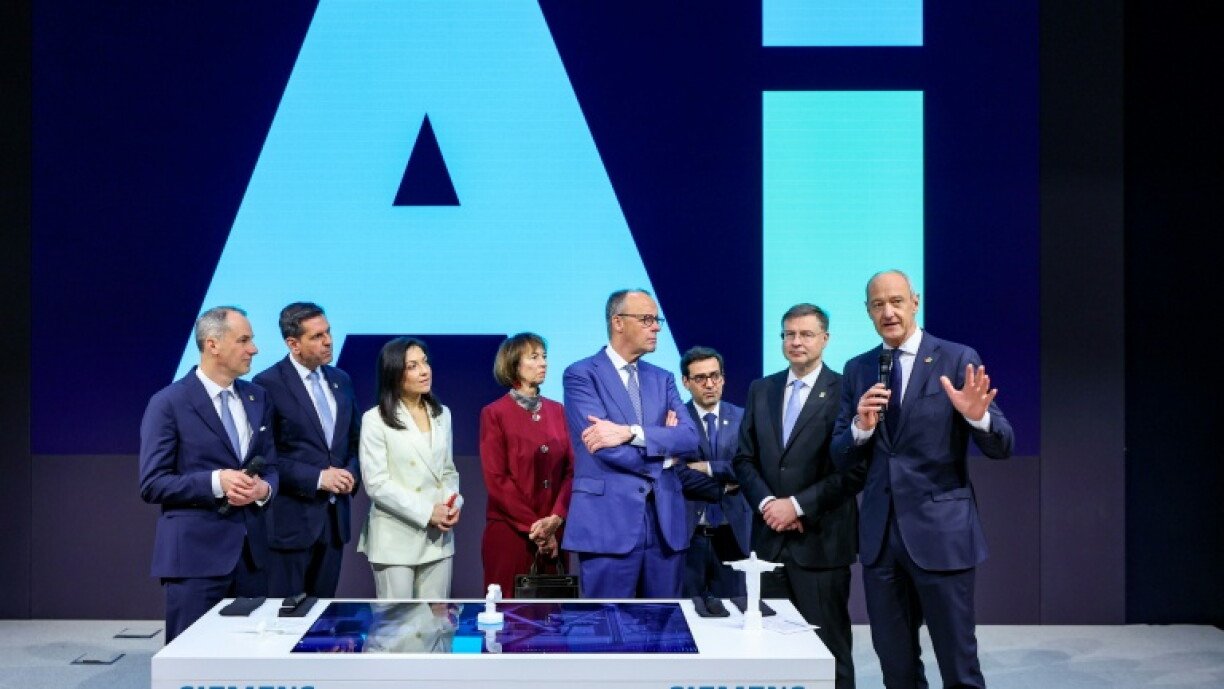
The midterm elections rout for US President Donald Trump’s Republicans is unlikely to slow the AI boom, German industrial giant Siemens said Thursday as it reported record profits boosted by data centre demand.
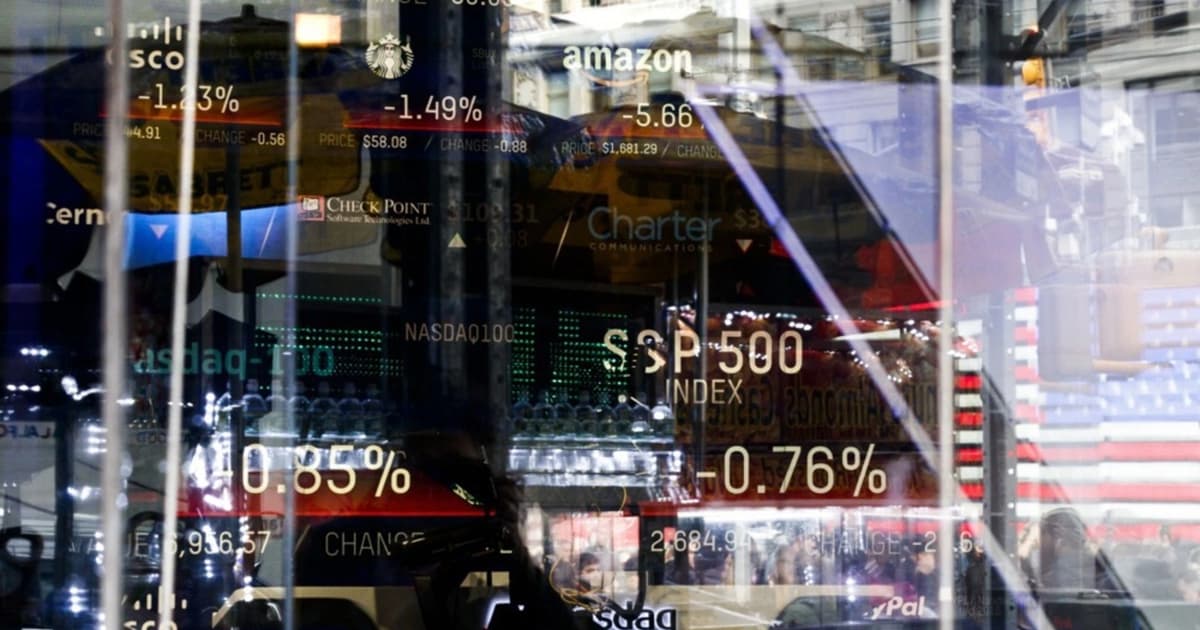
Fears that Democrats could clamp down on data centre construction after seizing control of Congress hit stock markets worldwide last week.
Speaking on an earnings call, Siemens CEO Roland Busch said the company was banking on the boom carrying on even if the elections had shown growing opposition to data centres.
“There are discussions on the one side, on the other side there’s bipartisan acknowledgment that a big driver of economic growth in the United States is data centres,” Busch said.
“There’s nothing that worries us, at least not for the next couple of years,” he added.
US tech giants such as Microsoft and Meta have together invested hundreds of billions of dollars in AI data centres, boosting the fortunes of companies like Siemens that make much of the electrical and cooling equipment needed to operate the sites.
Swiss competitor ABB in October posted order growth of 40 percent for the three months to end-September, while France’s Schneider Electric in the same month said sales growth over the period had beaten expectations.
Other European companies involved in the AI supply chain have also urged calm and say they see solid growth ahead.
Jochen Hanebeck, CEO of German semiconductor maker Infineon, said Monday that he expected more data centres to be built globally even if constructing them in the United States became more complicated.
Reporting results for its fiscal year to end-September, Siemens said its core profit, which strips out some effects such as the sale of motor-maker Innomotics in the last fiscal year, rose 13 percent to 13.3 billion euros ($14.7 billion).
For the fourth quarter alone, orders — an indicator of future sales — at Siemens’ “smart infrastructure” business climbed 40 percent to 8.67 billion euros, helped by triple-digit growth in orders from data centre customers.
Siemens said it expected further growth in the current business year, guiding for sales to rise nine to 11 percent as well as broadly stable or higher profit margins at its two biggest divisions.
The company’s shares opened up 4.1 percent in Frankfurt trading. Their price has more than doubled since the release of ChatGPT in November 2022.
vbw/sr/js











Leave a Reply