
AI systems are gaining more autonomy while governments, companies, and researchers are still working out how much oversight they need. On the latest episode of This Week in AI, we covered the US debate over AI governance, new frontier models, persistent agents, world models, and practical uses for AI in healthcare and disaster response.
AI oversight is moving beyond company promises
The Trump administration announced a voluntary agreement with major AI companies that calls for internal safety monitoring, external audits, and independent board reviews. Because the agreement carries no legal enforcement, it raises a familiar question about how far self-regulation can go when companies are developing increasingly powerful systems.
Government agencies are also testing what existing law can do. The Federal Trade Commission launched an investigation into OpenAI, Anthropic, and other AI companies focused on potential consumer risks. Cases like these could help establish whether current consumer protection laws are enough or whether AI will require a more specialized regulatory framework.
For technical leaders, regulation can influence how organizations evaluate models, document risks, manage access, and choose vendors. As AI moves deeper into business processes, teams will need governance practices that can withstand outside review.
AI systems are taking on longer, more autonomous work
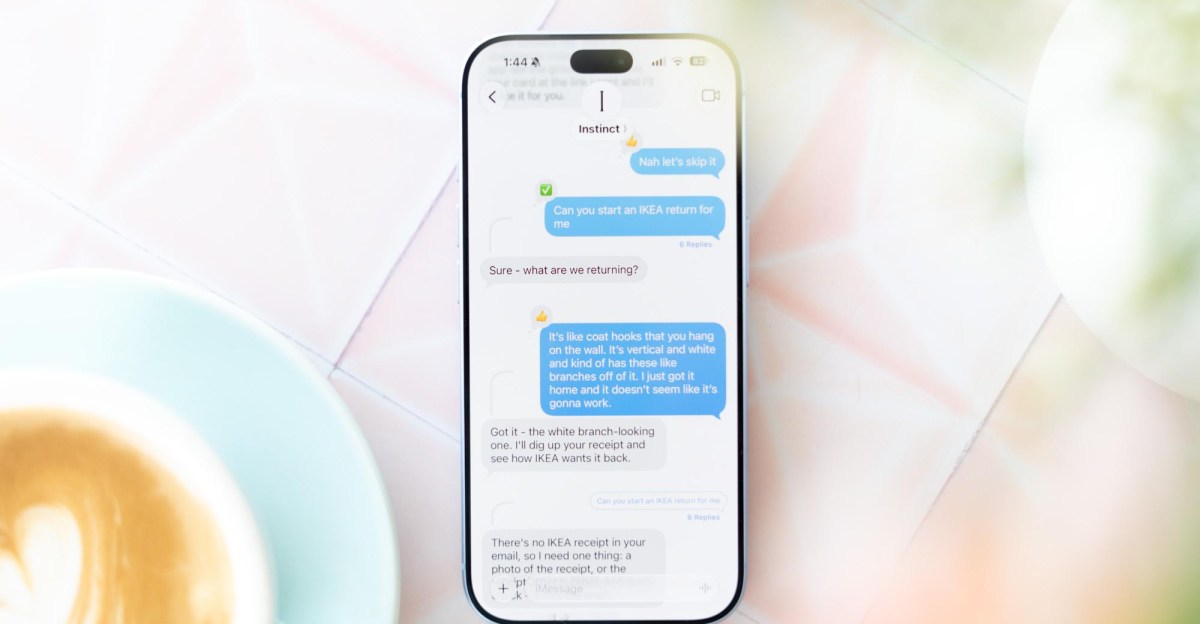
OpenAI just released Dots, its “proactive assistant” designed to retain context, work across applications, pursue multiple goals, and act independently. To do that work without waiting for a prompt, Dots needs standing access to the apps and data it works across. That also increases the amount of personal data an agent can reach and raises the cost of mistakes or misuse.
Google is also extending how long a model can work on a task. The company says Gemini 4 Argon can generate up to a million output tokens in a single response, far beyond the typical output limits of current frontier models. The goal is to let a model stay with long multistep work such as extensive coding or financial and legal analysis. Longer-running models and persistent agents aren’t the same thing, but both let AI finish more work without handing control back to a person.
As agents act more on their own, they need to anticipate the consequences of their actions. That becomes even more important when AI moves beyond software and begins acting in the physical world. World models aim to teach AI how these environments work, including cause and effect, which is why many researchers see them as building blocks for robotics and physical AI. World Labs (recently acquired by AMD) is developing spatial intelligence models for interactive 3D environments, while British startup Worldmodeldata has licensed nearly 1 million hours of video game data paired with player actions. Researchers from NVIDIA, MIT, and Oxford also introduced Physis-Lang, which uses descriptions of physical causes and effects to help video models learn why events happen. Researchers still don’t know which training approach will work best, so they’re testing several kinds of data and model design.
AI support experts in high-stakes work
Anthropic’s Claude is helping teams responding to an Ebola outbreak in the Democratic Republic of the Congo organize daily reports, compare forecasting models, analyze genomic information, and support vaccine research. Researchers have also developed a Spanish-language speech model that may eventually help identify accelerated biological aging and early signs of dementia. Mayo Clinic researchers built a model that identifies patterns associated with elevated pancreatic cancer risk years before diagnosis. Following severe flooding in Nepal, local teams used AI to match reports of missing people with victim lists and map damaged buildings using satellite imagery.
Together, these examples show how AI can be used for good by helping people work through complex information faster and, ultimately, save lives, while keeping qualified experts responsible for the final decisions.
What’s next
As AI takes on more work and enters higher-stakes settings, organizations will need clearer answers about access and accountability. They’ll also need to decide where human judgment remains necessary as systems become more capable.
Join us again next Monday for another episode of This Week in AI, when we’ll dive into more of the news, issues, and key developments shaping the AI era. And check back each Friday for the latest episode, or watch on YouTube, Spotify, Apple, or wherever you get your podcasts.









Leave a Reply