

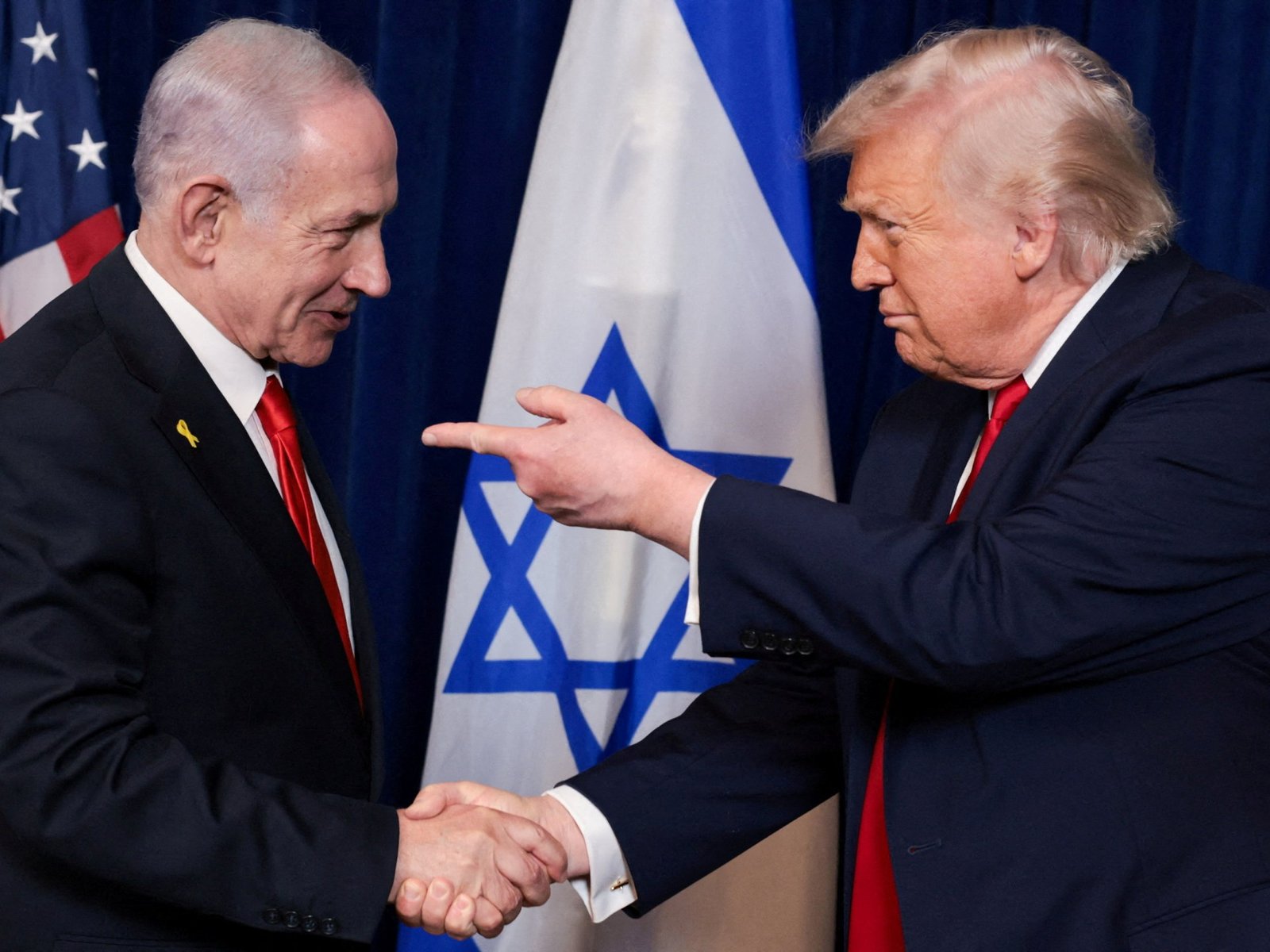
US President Donald Trump says he made a deal with Israeli Prime Minister Benjamin Netanyahu that Washington would no longer be providing funding to Israel after the end of this year.
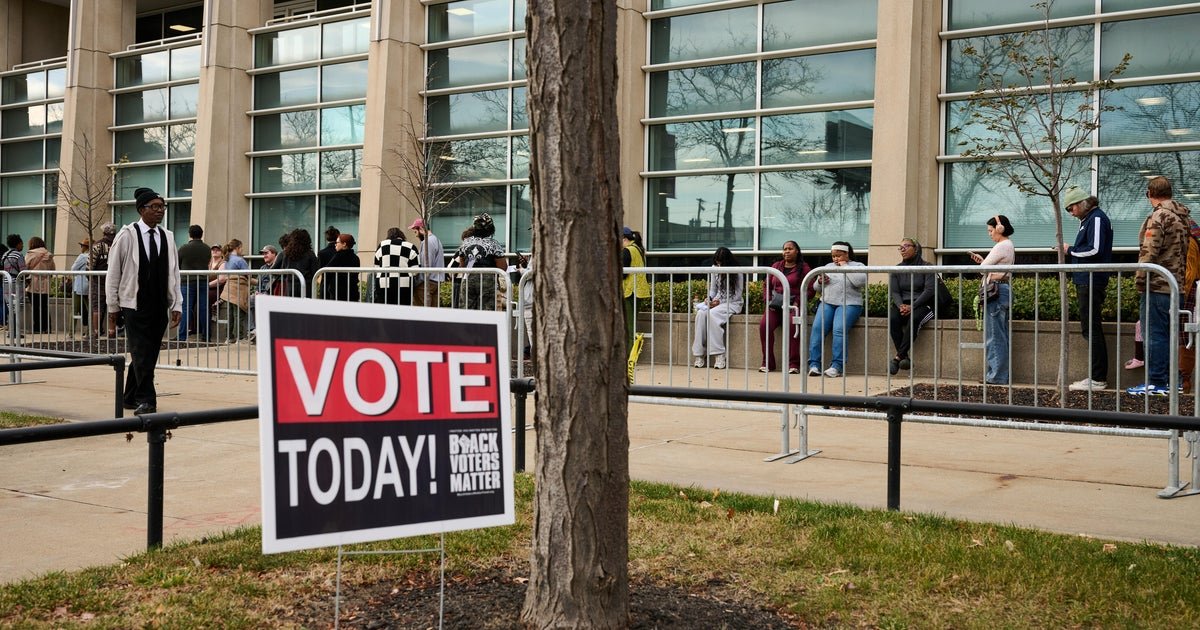
“Now, as far as paying Israel, Bibi Netanyahu and I have made a deal that we give Israel $4bn a year, and we made a deal months ago that we’re stopping,” Trump told Fox News’ Fox and Friends after voting in the midterm elections began.
“We’ve already agreed that by the end of this year we won’t be paying Israel. Now we’ll help Israel if they need it.”
It was not immediately clear what form of aid Trump was discussing.
Trump cited Democratic Michigan Senate candidate Abdul El-Sayed, a vocal critic of US support for Israel, in his rationale.
“Why should we suffer the slings from lunatics like an El-Sayed when they don’t need it? It’s a bad, it’s a bad talking point,” Trump said, adding that the Israeli prime minister had proactively sought the aid cut-off.
“Can I be honest with you, [Netanyahu] brought it up, he said, ‘I think it would be appropriate if we do not receive aid’, because he understands this is one of their points of contention.”
The US Department of State did not immediately respond to an Al Jazeera request for comment. There was no confirmation of the move by Israel’s foreign minister or Netanyahu’s office.

Money appropriated by Congress
“Talk about a November surprise,” said Al Jazeera’s Kimberly Halkett, reporting from the White House, attributing the move to a desire to undercut criticism of US policy towards Israel both from progressive Democrats like El-Sayed and critics from within his own Make America Great Again movement.
“But there’s a very important distinction to note,” she added. “The money is appropriated by Congress; Trump can’t end this aid unilaterally. What’s unclear is whether this is a last-minute attempt to get votes or whether or not this could be a tangible change.
The legal and political complexity of cutting off aid to Israel may mean the process could take longer than Trump outlined, according to Thomas Warrick, Director of the Future of DHS Project at the Atlantic Council.
“President Trump will probably not cut off US military aid to Israel by the end of 2026,” he told Al Jazeera.
“While he and Netanyahu agree that military aid should be phased out, there are several ongoing weapons programmes on missile defence and counter-drone warfare that can’t easily be switched over to a foreign military sales programme,” he added. “So I expect military assistance will be phased out during 2027. But not by the end of 2026.”
A provision in a bill passed by the House of Representatives in July tied the US and Israeli militaries far more closely together, deepening cooperation on weapons research, production and technology.
The United States-Israel Defense Technology Cooperation Initiative appeared as Section 219 in the fiscal year 2027 National Defense Authorization Act (NDAA), the annual US defence policy bill.
It passed in a roughly party-line vote carried by the Republican majority, despite warnings from some voices on both sides of the aisle that it could compromise US sovereignty.
“If the Senate does not pass the bill – including the Israel Defense Technology Cooperation Initiative – during the lame-duck session of Congress, it is less likely that it would pass in the next session if Democrats are in control,” Debra Shushan, senior resident affiliate at Georgetown’s Center for Jewish Civilisation, told Al Jazeera.
“The proposed US-Israel defense integration measures are highly problematic for a number of reasons. They cede US leverage over Israeli military actions, lack human rights conditions, and lack transparency. In addition, they provide Israel access to the most sensitive US technology,” she added.

‘Isn’t going to change results’
Military aid to Israel, and US political campaign contributions from Israel’s backers to candidates, have been a flashpoint for both Democrats and Republicans this year.
US public support for Israel has fallen since Israel’s genocidal war on Gaza began in 2023, especially among Democrats.
A Quinnipiac University poll in June found 48 percent of voters and 66 percent of Democrats believe the US is too supportive of Israel, up from 16 and 20 percent, respectively, when the question was asked in 2017.
Harsh public criticism of Israel by US political leaders in recent years marks a dramatic shift from decades of staunch bipartisan backing.
The US House of Representatives defeated an amendment to cut off aid to Israel in July, despite nearly half of Democrats supporting it, reflecting a growing rupture between US progressives and Israel over its war on Gaza.
The House voted 314 to 104 to defeat the measure, offered as an amendment to a State Department spending bill by outgoing Representative Thomas Massie of Kentucky, an outspoken Republican critic of US policy in the Middle East.
“Amazing how being on the verge of Republicans getting wiped out in the midterms changes hearts and minds,” another Trump opponent, former Republican Congresswoman Marjorie Taylor Greene, wrote on X.
“Trump getting permission from Netanyahu to end annual aid to Israel isn’t going to change today’s election results.”









Leave a Reply