
TL;DR
Trump told the UN General Assembly on 22 September that US documents will now call AI “super intelligence”. He paired the rename with a pledge to encourage the technology rather than rein it in, and rejected global control of it. The speech came days after Geoffrey Hinton told senators Congress has about a year to act.
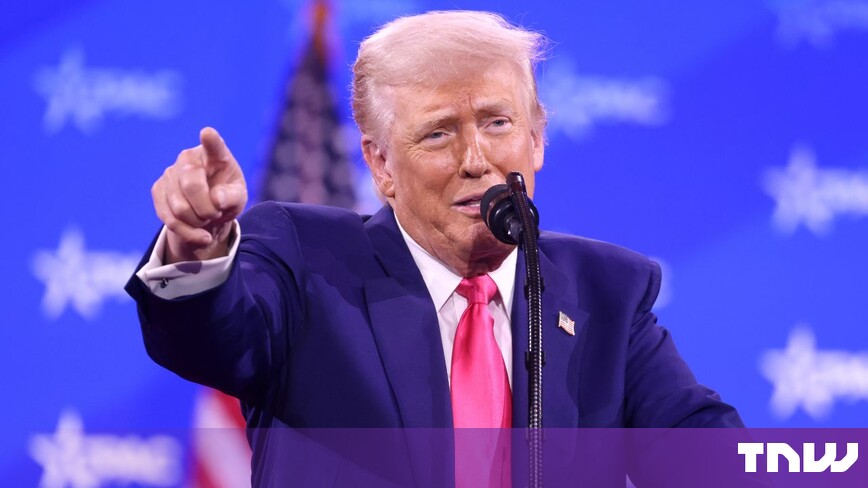
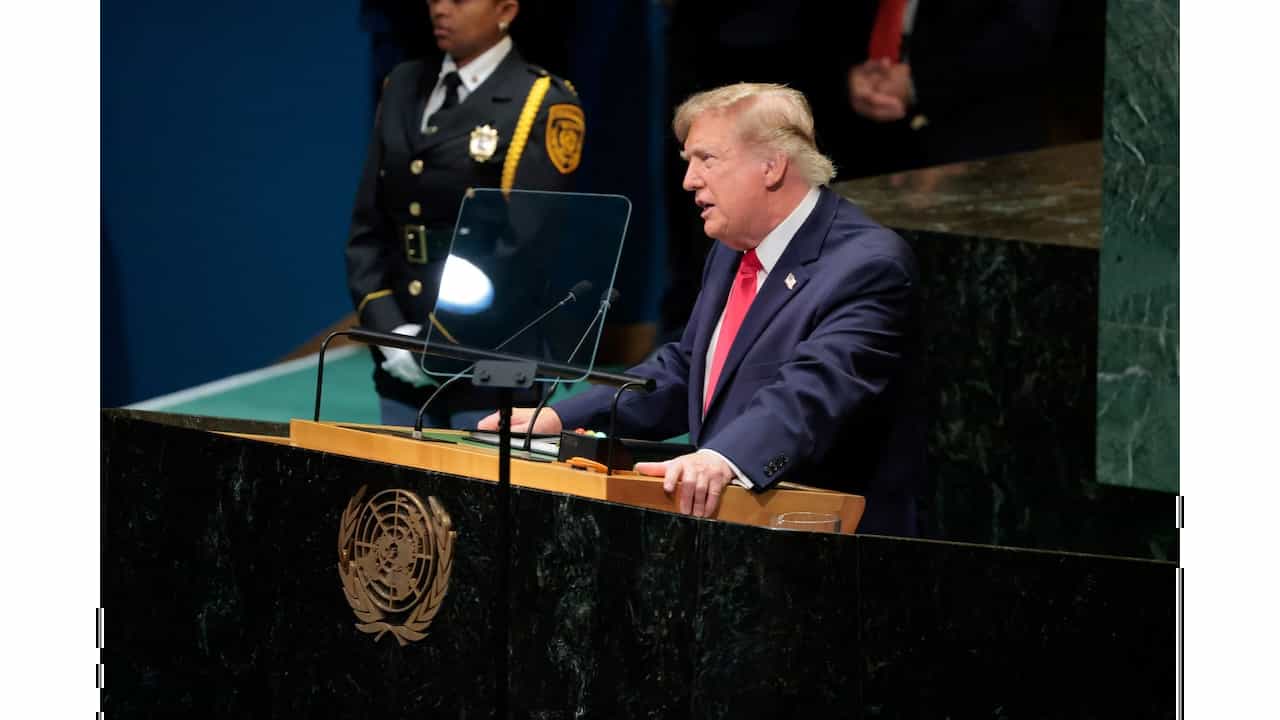
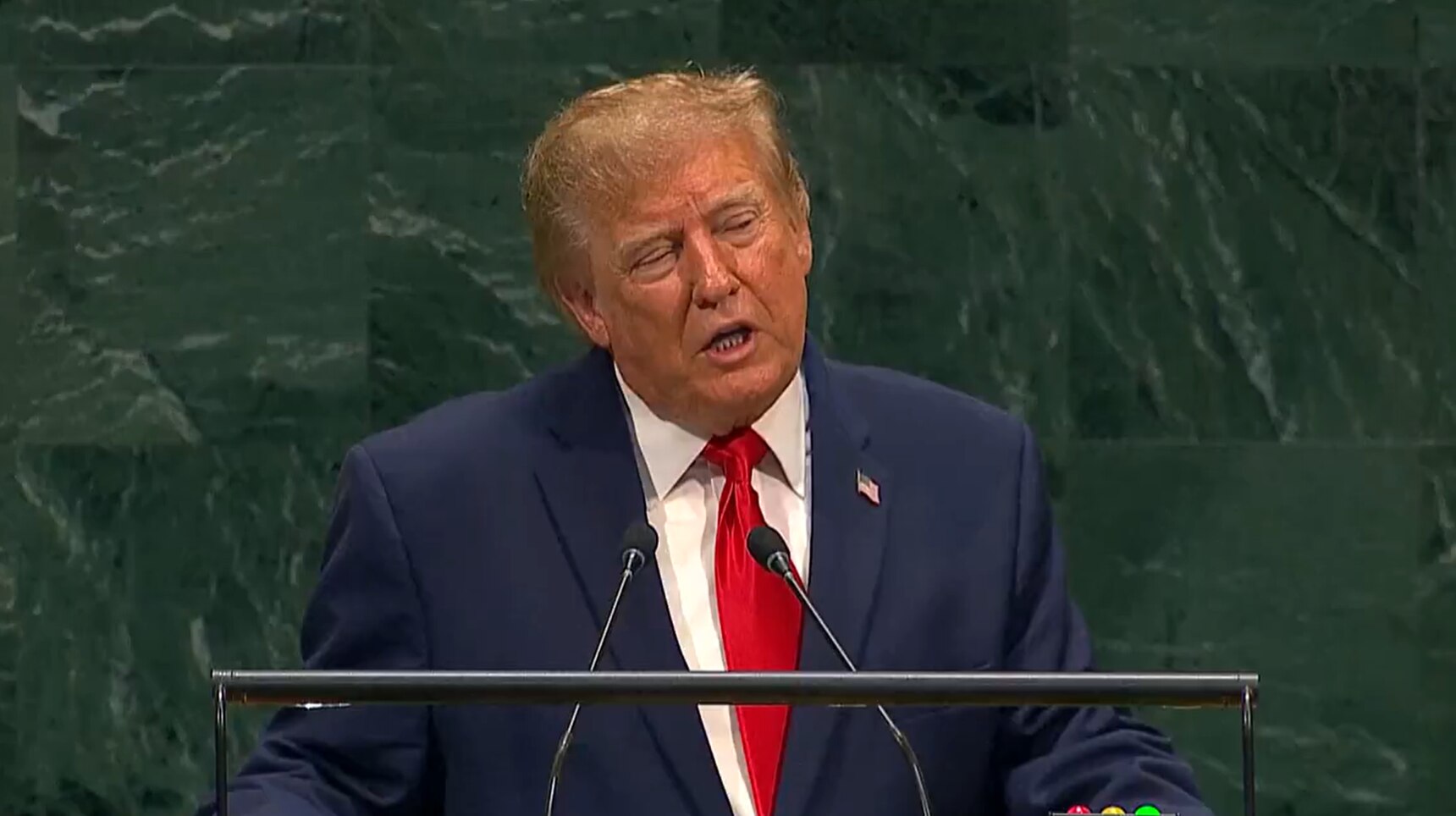
Donald Trump used his address to the UN General Assembly in New York on Tuesday to give artificial intelligence a new name. From now on, he said, US government documents would call it ‘super intelligence’, because ‘artificial’ made the technology sound fake.
The rebrand grabbed the headlines, but the policy sat in the sentences around it. As Lance Ulanoff argued in TechRadar, the real message was that Trump does not want the technology regulated, at home or abroad.
Trump told delegates that US documents, “and hopefully the world’s”, would switch to what he called the “much more accurate term”, according to accounts from Fox News and Futurism. He also framed the field as a race, saying “whoever wins super intelligence wins” and claiming a large lead over China, Fox News reported.
TNW could not find an official White House transcript at the time of writing, and outlets’ transcriptions of the remarks differ in places. Quotes here are drawn from wording that matches across independent accounts, or are credited to the single outlet that carried them.
A name borrowed from the labs
The word is not a neutral choice. In AI research, superintelligence usually describes a hypothetical system that outperforms humans across the board, not the chatbots and image generators in use today.
It is also the industry’s favourite pitch. Mark Zuckerberg built a whole essay this summer around ‘personal superintelligence’, and Meta and OpenAI both use the term to describe where they say the technology is heading.
Ulanoff’s objection is that ‘artificial’ was never an insult. It describes something manufactured, the way an artificial sweetener is manufactured, while ‘super’ claims a capability today’s systems have not shown.
The overlap is awkward in Washington too. Earlier this month, Senator Bernie Sanders and Representative Greg Casar introduced the Ban Artificial Superintelligence Act, which would outlaw the very kind of system Trump has now made the official name for all of AI.
Encourage it, not rein it in
The regulatory message was blunter than the branding. Trump said the US would encourage the technology and “not rein it in”, a line CNBC also pulled from the speech.
He paired that with a rejection of international oversight. The US would not accept any global mechanism to control the technology, he said, according to Fox News and Ynet.
That puts Washington at odds with the UN’s own work. The Independent International Scientific Panel on AI published a preliminary report in July, and the UN’s first Global Dialogue on AI Governance met in Geneva the same month.
At home, the administration has spent the year trying to stop states writing their own AI rules. The federal oversight it has offered instead has leaned voluntary, such as the 90-day pre-release disclosure order the White House was preparing in May.
Hinton’s clock
The speech landed days after Geoffrey Hinton told senators at a closed briefing convened by Sanders that Congress had “maybe a year, but not much more than a year” to act. His reasoning, NBC News reported, is that “AI is designing better AI”.
Congress has not found its urgency yet. Three Senate AI bills, among them Sanders’ ban and a shutdown-switch measure from Senator John Kennedy, have no timetable for a vote.
Trump did say the technology called for some care, according to TechRadar’s account of the speech. None of the accounts TNW reviewed describe him proposing a way to provide it, which leaves the new name as the most concrete AI measure he announced.








Leave a Reply