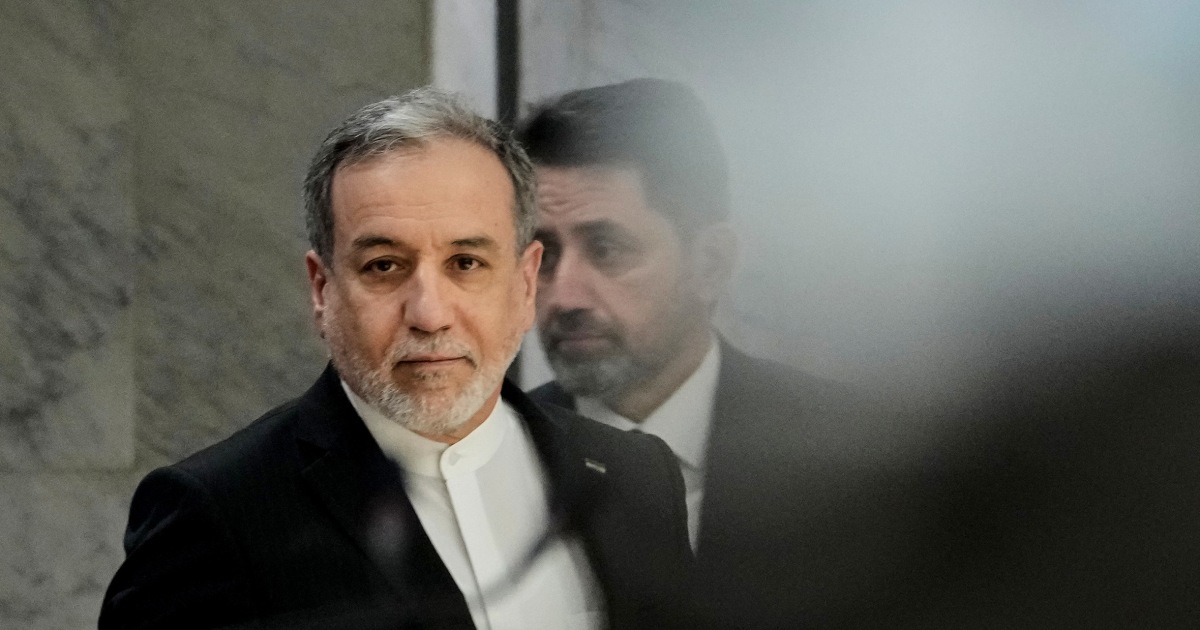
U.S. officials were concerned that Israel might try to assassinate Iran’s negotiators during recent ceasefire talks and Tehran was warned about the possible threat, according to a U.S. official and an Iranian official with knowledge of the matter.
Limited time: Save 25% on NBC News subscription
Get exclusive reporting, live Q&As and ad-free reading.

During pivotal talks in April and May aimed at ending the U.S-Israeli war with Iran, the Trump administration worried that Israel had plans to possibly target Iranian Foreign Minister Abbas Araghchi and the Iranian parliamentary speaker, Mohammad Bagher Ghalibaf, the sources said.
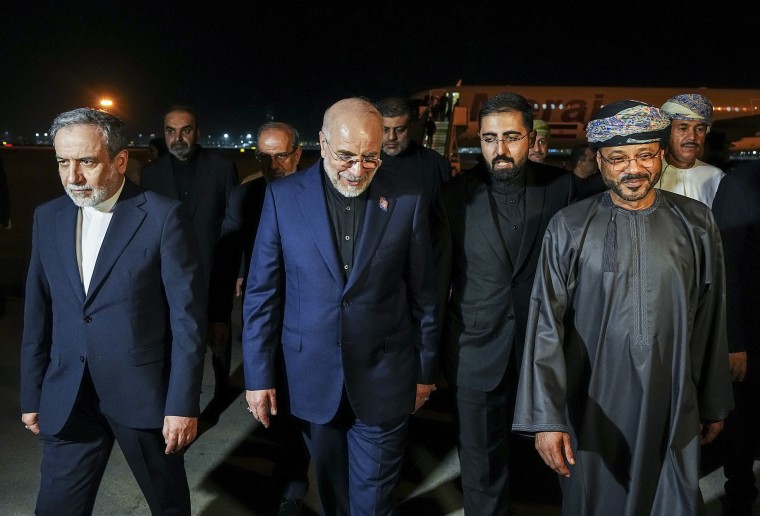
Both Araghchi and Ghalibaf have been key figures in Iran’s negotiations with U.S. envoy Steve Witkoff and President Donald Trump’s son-in-law Jared Kushner.
The talks, which began in April, led to an initial ceasefire deal, followed by the memorandum of understanding signed by the U.S. and Iran last month. Negotiations are continuing toward a deal intended to bring about a longer-lasting peace, but several key sticking points remain.
The U.S. warned Iran about the possibility through intermediaries, one of the officials said.
The New York Times first reported on the Trump administration’s concerns.
Israeli Prime Minister Benjamin Netanyahu’s office reacted to the New York Times report with an X post, saying: “As usual, The New York Times’ latest story about Israel and the Iranian negotiators is fake news. A complete fabrication of reality.”
Contacted for further comment, his office referred NBC News to the post. The White House did not immediately respond to a request for comment.
Israel has a long track record of targeting senior Iranian military officers and government officials and successfully penetrating the Iranian regime’s security.
In the first weeks of the war, U.S. air raids focused on military targets, including Iran’s missile arsenal, while Israel went after senior figures across the regime, U.S. and Israeli officials said.
In March, Trump said that some Iranian officials who Washington had viewed as possibly more pragmatic were killed in air strikes.
“Most of the people we had in mind are dead,” Trump had said of possible negotiators.
The Trump administration and Netanyahu’s government have clashed over the aims of the war and how to approach negotiations with Iran, with Trump criticizing Israel over continued attacks on Lebanon, where Israel has continued to target the Iran-backed Hezbollah militant group despite a series of ceasefire agreements.
Those strikes have repeatedly threatened to upend the peace talks, with Trump and his top officials at times publicly disavowing Israel’s actions and calling on Netanyahu to stop.
Negotiations have been rocky. Last month, U.S. spy agencies concluded that Israel would likely continue to launch attacks on Hezbollah, potentially jeopardizing the peace deal further, according to a source with knowledge of the intelligence assessments.
Vice President JD Vance has been among the most vocal critics of Israeli hardliners among Trump’s top team, accusing them of launching personal attacks on Trump. He addressed members of Netanyahu’s cabinet directly in a New York Times interview two weeks ago, saying: “You can’t just kill your way out of solving every single national security problem that you have.”