Summertime is grilling season, and gone are the days when you have to schlep to the supermarket through Saturday morning heat to get the best pick of cuts. Meat delivery services offer a reliable, convenient alternative to buying in-store, often with access to types and cuts of meat that you may not find at your local grocery. I spoke to Coco Pierrel, certified integrative nutritionist and founder of Eat Shed Glow, as well as Dr. Susan Kais, a dual board-certified gastroenterologist and IBD specialist at UC Health, to find out more about picking the best meat delivery service before your next BBQ.
Want more from NBC Selected? Sign up for our newsletter, The Selection, and shop smarter.
The best meat delivery services in 2026
Below, I rounded up the best meat delivery services that have been tested and reviewed by NBC Selected editors.
Best overall
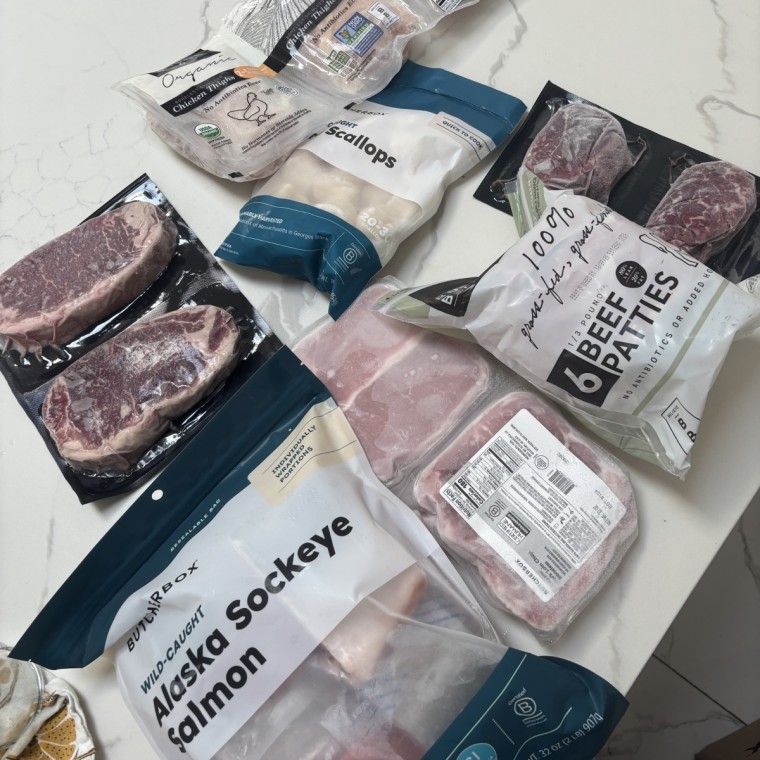
Butcherbox uses a subscription-based model that allows you to choose from their full selection of meat and seafood, which includes over 80 core and specialty cuts, according to the brand. The subscription allows for a choice of a medium, large or extra-large box with your choice of proteins, with prices ranging from $179 to $319 per box. You can also choose how often your box is delivered depending on your cooking needs.
Although the offerings include chicken breast, shrimp, salmon and more, the star of the show is definitely the beef. The brand has a wide range of beef options, including grass-fed, pasture-raised, grain-finished, free-range and more. The meat is sourced in the US, aside from the grass-fed and grass-finished cuts, which are from Australia due to its ideal grassland climate, according to the brand.
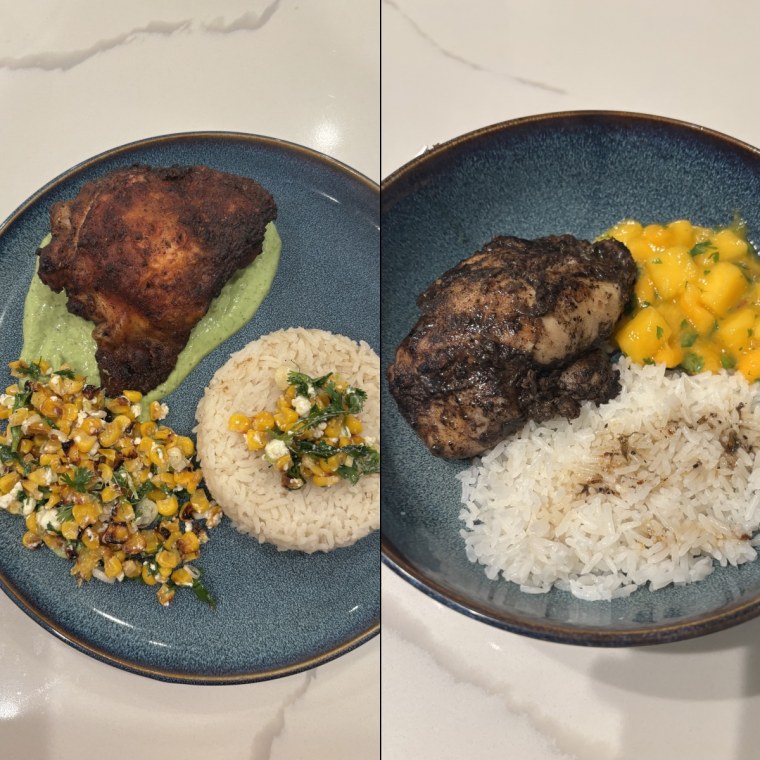
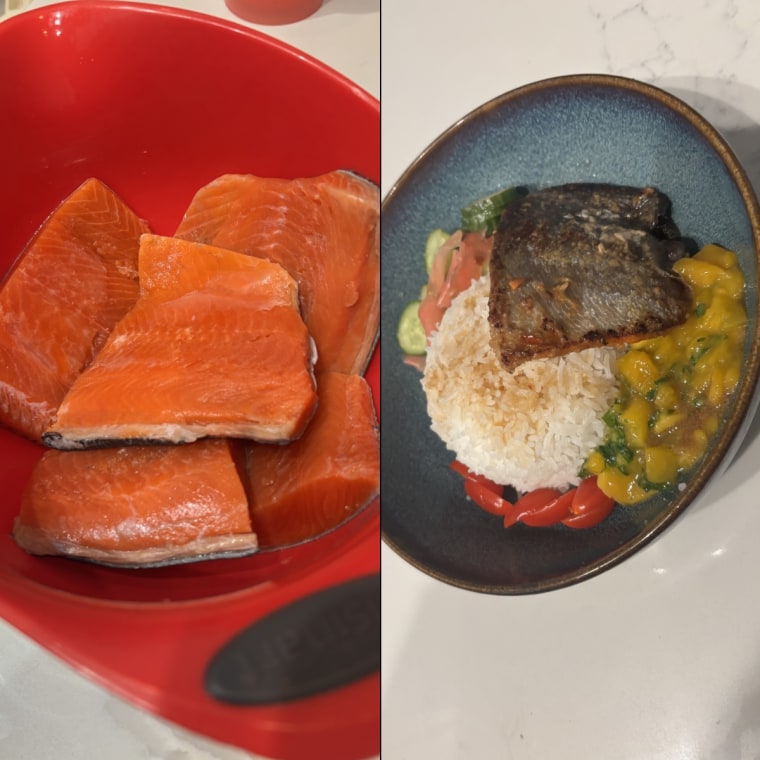
I received an assortment of beef, chicken and seafood from the brand, including my favorite, the sockeye salmon. It was juicy, tender and one of the meatiest salmon I’ve ever tried — it was thick, firm and had the telltale bright pink hue of high-quality salmon. I also like that the products came in smaller packages, rather than boxes, which makes them easier to maneuver around your freezer, and I also noticed how well the dry ice packs held up, even in the summer heat. After unpacking the meat, the ice was still cold in the box hours later — my roommate even ended up using it as a coolant for making some homemade ice cream.
Best selection
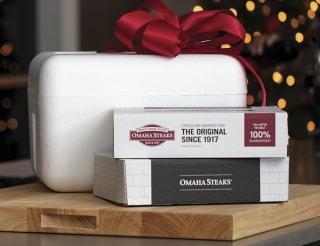
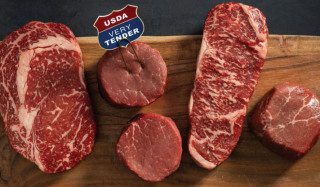

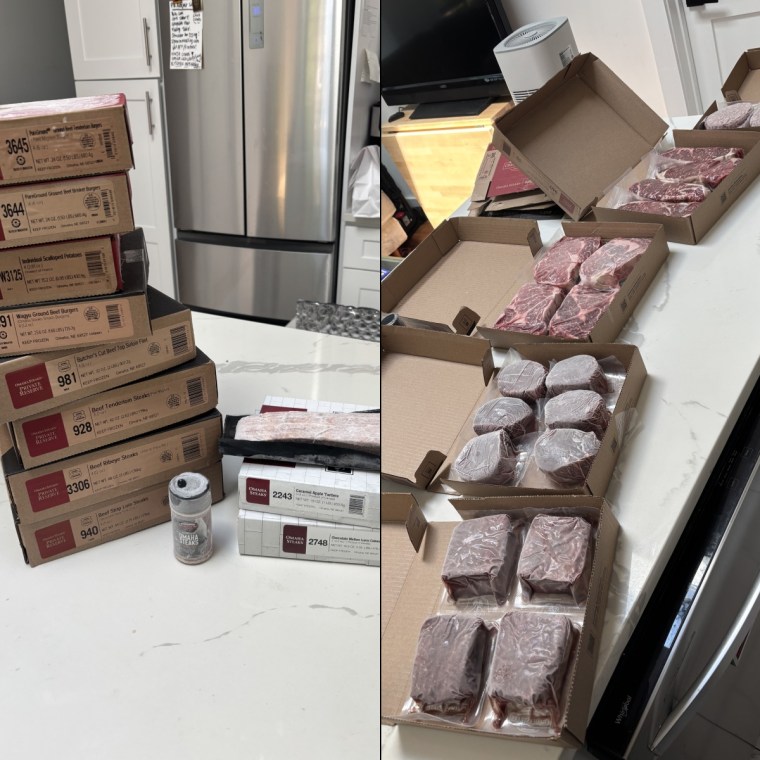
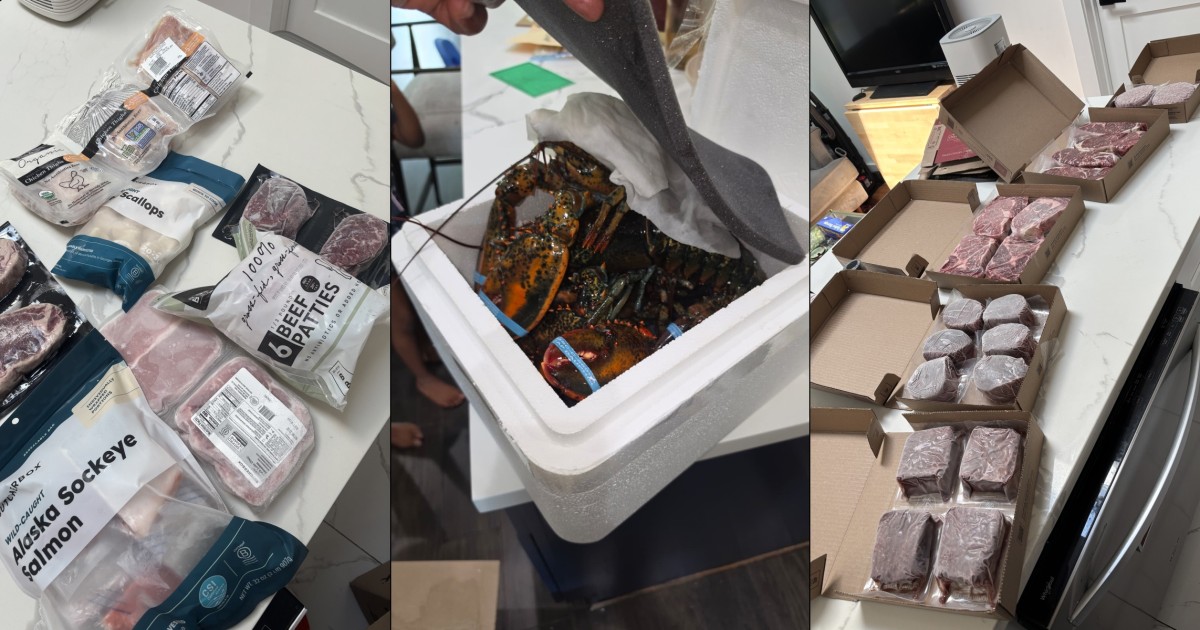
If you’re looking to order a full family meal, Omaha Steaks is your best bet. The brand sent me an assortment of meats, including beef tenderloin, filet mignons and strip steak, all of which I enjoyed. However, what really drives it home are the sides. Alongside the meat, I also received frozen scallop potatoes and desserts like caramel apple tartelets and chocolate lava cake. I love the all-in-one approach the brand takes, since it takes away the hassle of deciding on side dishes — although I personally love dreaming up sides, this is probably really convenient for those who may be in a rush to cook, or more on the indecisive side. The brand’s wide selection also extends to its pricing — you can find selections for as little as $10, along with deals on bigger boxes and customizable bulk options.
The food arrived in separately packaged boxes, inside of a box filled with dry ice and freezer bags to keep everything cold and frozen. Inside of each box, the meat and desserts were also individually packaged, which I appreciated since it made everything easier to separate for meal prepping and helped to save space in the freezer.
Of the meats, my favorite is the strip steak, which I love using to make quick and simple steak meals for weeknight dinners. The steak was juicy and tender, which speaks to how well it was frozen since the texture wasn’t compromised at all. I also like the preparation instructions for each type of meat on the brand’s website (which, after accidentally reducing a wagyu burger to little more than a burnt disc, I highly recommend following).
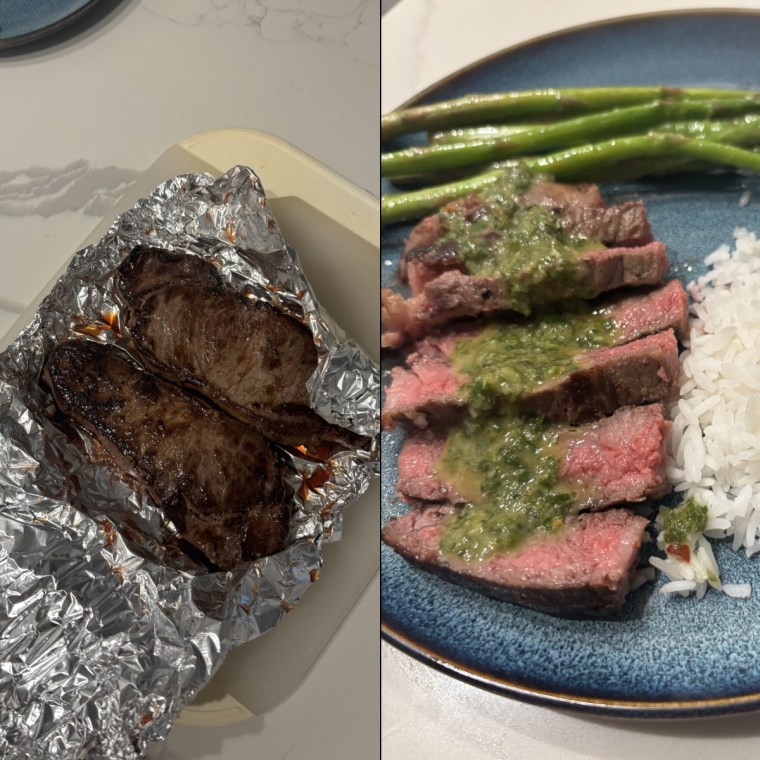
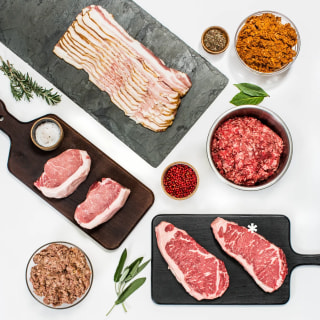
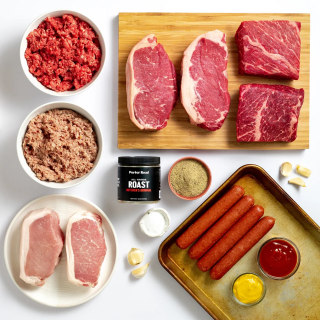
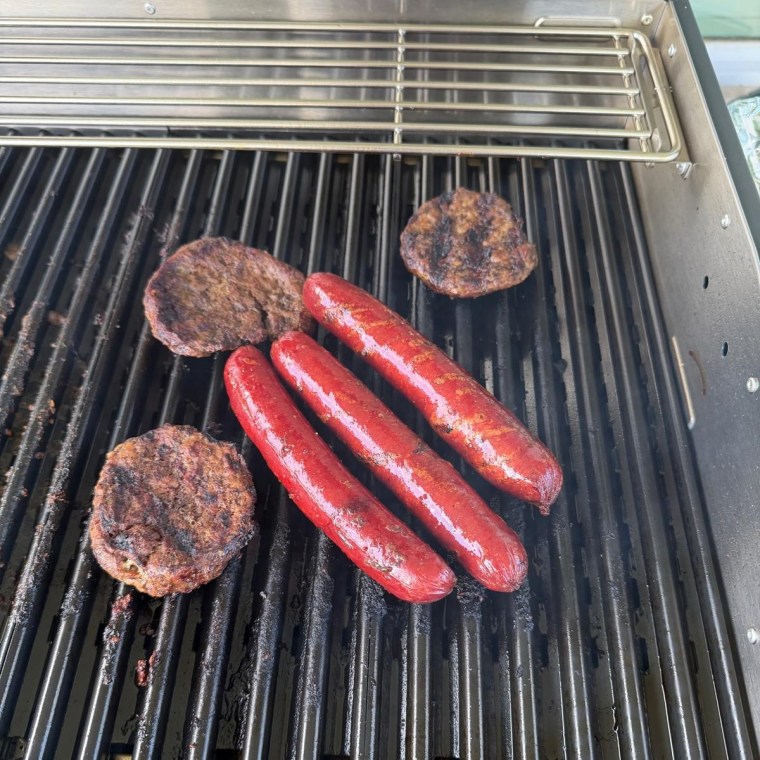
Porter Road sources meat from farmers across the US and hand-cuts every piece at its facility in Kentucky, according to the brand. You can choose between beef, pork, chicken, lamb and seafood products, along with market items like beef tallow, wood chunks for smoking and grilling, BBQ tool sets and more. A la carte options include sirloin filets for as little as $14, with the most expensive steak cut, the tomahawk ribeye, priced at $135. You can also choose from a selection of curated boxes, or build your own for a personalized touch.
NBC Select editorial operations associate Jem Alabi bought the Butcher’s Choice and Grilling Heroes boxes from the brand, and says it’s “some of the freshest meat [she’s] ever had.” The assorted boxes were ideal for a 4th of July family gathering, and she likes the range of options like sausages, burgers and bacon for people like her who aren’t big fans of steak. “Everyone was impressed with the quality of the cuts,” she says.
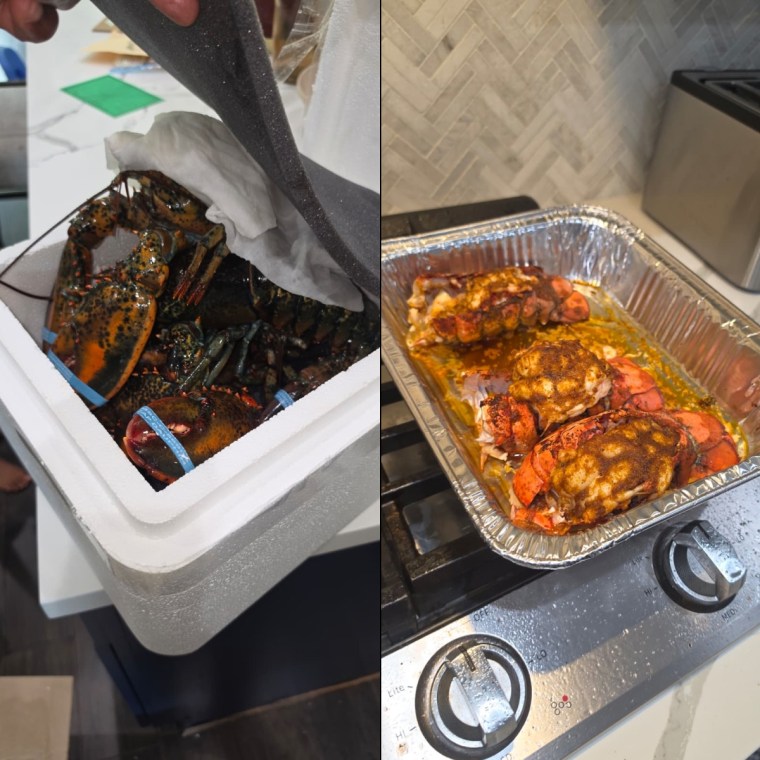
Lobsterboys is the perfect option for seafood lovers. The brand partners with licensed lobstermen who catch lobsters straight from the North Atlantic, which are shipped to your doorstep while still alive for maximum freshness. The lobsters can be kept in the box in your fridge for up to 24 hours; however, the brand recommends avoiding putting them in water, since they’re very sensitive to water quality and can drown in fresh water. The brand offers à la carte options and boxes for bigger orders, including options for chick lobsters, quarter lobsters, jumbo lobsters and more. The prices range from $18.77 for a single chick lobster to $127.12 for a jumbo lobster, making it very accessible for a range of budgets. You can also select your delivery date at checkout, with the brand offering to refund and reship your order if it doesn’t get there by your selected date.
Alabi received a few small select lobsters from the brand, and says they were “incredibly tasty and fresh.” “The lobsters came live and there were more than enough for seconds and thirds,” she says. She also liked that Lobsterboys provided detailed tracking and preparation instructions to help her family get started.
How we tested the best meat delivery services
Here’s what we kept in mind when testing the best meat delivery services:
- Types of meat: We considered the types of meat offered by each service, and how versatile each brand’s selection is. Although steak is the most popular among the brands, we considered the availability and quality of chicken, pork and seafood as well, along with types of cuts and raising methods for the meat.
- Price and purchase model: We kept in mind the pricing of each brand, and whether or not each used à la carte options, boxes, or a subscription-based model.
- Packaging and shipping: We also considered the packaging of the meat, which experts say is key for a safe delivery. We checked the cooling and freezing techniques of each package and considered whether the brands offered expedited or scheduled shipping. For more information on packaging and shipping safety, keep reading below.
How to choose a meat delivery service
What kinds of meat are offered?
The first factor you’ll want to consider is the type of meat offered. While various services specialize in specific types — for example, Omaha Steaks is known for its high-quality cuts of steak and beef — many offer a range of beef, poultry, pork and even seafood. That being said, your personal preference is most important in this case, so you’ll want to look for a service that specializes in your favorite types, or at least has a wide enough selection that you’ll be able to find the cuts you’re looking for.
How was the meat raised?
According to Pierrel, two non-negotiables for raising meat are avoiding antibiotics and added hormones. Adding hormones is banned in chicken but still legal in beef, so Pierrel suggests checking for third-party verification, like the USDA Process Verified shield, which shows that a brand’s processes have been independently audited by the USDA.
She also says it’s important to understand these various certifications. “Words like ‘premium’, ‘natural,’ and ‘butcher’s cut’ have no legal definition; they just sound official,” she says. However, there are a few terms she suggests keeping an eye out for when looking at how your meat was raised.
- Grass-fed and pasture-raised labels are great to look for if your budget allows it (since they tend to be a bit pricier). While grass-fed tells you what an animal ate, pasture-raised ensures the animal lived unconfined, outside of the grazing area, says Pierrel. “That combination produces meat that’s more nutrient-dense per bite, with a higher omega-3 profile, so it satisfies you with less,” she says. For an insider tip, she recommends looking for grass-finished meat as well, since it guarantees grass for life, unlike the grass-fed labeling.
- USDA Organic is the federally inspected certification that guarantees the meat has been fed organically, with no pesticides, antibiotics or added hormones, and real access to pastures, says Pierrel. However, since the certification process can be expensive, a lot of high-quality, smaller farms may skip the process. You can still vet their sourcing by looking at their listed farm suppliers, which Pierrel says is a good test of transparency. “A company proud of its sourcing names its farms,” she says.
- As of January 2026, Product of USA is a label that requires the animal to be born, raised and processed fully in the United States, says Pierrel. “Since most grass-fed beef sold here is imported, that one label now lets your grocery money support American farmers doing it right,” she says.
Is the meat fresh or frozen?
There are pros and cons to both fresh and frozen meat, according to the experts. The choice will ultimately depend on your personal preferences and uses for the meat.
- Fresh meat is great for meals you’ll be preparing right away or in the days soon after your delivery. Usually, being able to cook the meat right away will result in a better texture and flavor, says Kais. However, since it has a shorter shelf life, it needs to be enjoyed quickly. Fresh meat also ages through transit, whereas frozen meat is flash frozen right after processing, which preserves it at its peak, says Pierrel.
- Frozen meat is an excellent alternative to fresh, especially from a nutritional and safety standpoint. The flash-freezing not only helps preserve quality and nutrients, but reduces the risk of spoilage during transit as well, says Kais. Pierrel says it’s also “the smarter way to stock up”, since you can save it for later in your freezer, while Kais adds that it often also provides more selection, since specialty cuts may not be available fresh. The only con is that frozen meats can sometimes experience changes in texture after thawing; however, Kais says that it shouldn’t be a major issue if handled properly (and in my experience, I had no issues with texture).
How should the meat arrive packaged?
The regulatory oversight for shipping frozen meats is handled by the United States Department of Agriculture (USDA) and the Food and Safety Inspection Service (FSIS). Below, I’ve outlined a few requirements for safe meat delivery packaging for fresh and frozen meat.
- Fresh meat needs to arrive at your door below 40 degrees Fahrenheit, since bacteria develop fastest in what the USDA calls the Danger Zone, which is between 40 degrees and 140 degrees Fahrenheit, says Pierrel. Since you can’t see, smell or taste that bacterial growth, she warns that you shouldn’t gamble with your meat if you’re unsure. If a package arrives warm, or went missing and shows up a day late, contact the company for a replacement,” she says.
- To reduce the chances of bacteria, it’s also best for fresh meat to be shipped overnight, so it can get to you and be used as soon as possible. Leak-proof, food-grade plastic should be used to help prevent contamination, along with vacuum-sealed bags and absorbent pads for soaking up any liquid that might escape.
- Frozen meat must remain consistently frozen during transit, at or below 0 degrees Fahrenheit (or -18 degrees Celsius). Otherwise, temperature deviations can result in partial thawing and an increased risk of bacteria and spoilage, says Kais.
- The meat also needs to be packaged with insulated materials. Cooling foams should be packed inside a layered, corrugated box to maintain temperature control, while the cuts of meat themselves should be vacuum-sealed to minimize exposure to air and freezer burn, says Kais. Dry ice should also be placed on top of or around the meat — usually five to ten pounds per 24 hours of transit, says Kais — since cold air tends to sink.
How is meat quality graded?
Beef in the US is graded by the USDA, and primarily focuses on marbling, which is the intramuscular fat that’s woven inside of the muscle, according to experts. “Marbling is important because it melts during cooking, helping keep the meat more tender and flavorful,” says Kais. However, Pierrel says that many shoppers aren’t aware of exactly how the grading is assessed. “The grade is assessed on the ribeye, between the 12th and 13th ribs, the fattiest section of the animal, and that single measurement grades the entire carcass, so every cut from that animal is sold under it,” she says. Since the grade measures taste, rather than nutrition or lifestyle conditions, leaner grass-fed and pasture-raised options may be graded lower simply for the lower fat content. Given that, she suggests looking at those kinds of meat, along with USDA Organic meat, if you’re more concerned with nutrition and animal welfare. “The best steak is the one that matches your goal,” she says.
The USDA grades meat into Prime, Choice and Select categories, with Prime being the highest, says Kais.
- USDA Prime: This is the highest-quality beef grade; it has the most marbling and is usually found in high-end steakhouses and specialty butcher shops.
- USDA Choice: The next grade down; still high quality but with less marbling and is typically found in local supermarkets.
- USDA Select: Lastly, this leaner option can still be good, but may be less tender or flavorful, especially if it’s overcooked, says Kais.
Frequently asked questions
Meat delivery services are great for anyone, but especially for those looking to conveniently access cuts that they may not be able to find in their local grocery store. Plus, the delivery aspect makes it easier to plan your shopping, so your fridge is never empty. “Delivery guarantees it never runs out, at a quality you chose yourself,” says Pierrel.
Yes, it is safe to order meat online. However, Kais says it’s important to ensure you’re ordering from trusted and reputable vendors that adhere to the USDA and FSIS’ regulatory protocols. As an extra precaution, Pierrel suggests inspecting your box upon arrival to ensure your package stayed safe and secure during the delivery process. “Packaging sealed, meat cold or frozen to the touch, then straight into the fridge or freezer,” she says.
Meet our nutrition experts
At NBC Selected, we work with experts who have specialized knowledge and authority based on relevant training and/or experience. We also take steps to ensure all expert advice and recommendations are made independently and without undisclosed financial conflicts of interest.
- Coco Pierrel is a certified integrative nutritionist and founder of Eat Shed Glow.
- Dr. Susan Kais is a dual board-certified gastroenterologist and IBD specialist at UC Health.
Why trust NBC Selected?
I’m an associate SEO reporter for NBC Selected who has been covering beauty, wellness and deals and sales for three years, including pieces on the best clear stadium bags and the best sunscreens for oily skin. For this piece, I tested meat delivery services to see which was best in terms of selection, pricing and quality.
Catch up on NBC Selected’s in-depth coverage of tech and tools, wellness and more, and follow us on Facebook, Instagram, Twitter and TikTok to stay up to date.