

Another seismic shift is coming to college football.
First, NIL and revenue sharing, combined with an unlimited transfer portal, shook up the sport and forever changed the concept of “amateur” collegiate sports.
Advertisement
With the advent of revenue sharing, athletic departments suddenly had a new $21 million line item on their budgets, making financial viability difficult for all but the most profitable athletic departments in the country.
Partly as a response to the growing financial pressure, the University of Utah entered an agreement with private equity company Otro to infuse a huge chunk of cash into its athletic department as it navigates the new age of college sports.
The transfer portal has created opportunities for schools like Utah — quarterback Devon Dampier, running back Wayshawn Parker and receiver Braden Pegan are all transfers — but has also created an environment where schools have to constantly re-recruit their rosters and negotiate new financial deals every season.
Some players are now being paid millions of dollars per season, and as a result, college football has become more professionalized than ever. Schools now have general managers, just like NFL teams, to help with roster management and deciding where to allocate money across their rosters.
Advertisement
Players that stick around at the same school for four seasons, like safety Nate Ritchie and linebacker Trey Reynolds — both of whom made game-saving interceptions in Utah’s win over BYU last week — are becoming rarer and rarer in the new age of college football.
Players, understandably, will change schools to get more money or better roles, just like many people do in the workforce. Most NCAA players will not be drafted by an NFL team, so they are maximizing their earnings while they can.
Meanwhile, teams are utilizing the transfer portal more than ever to get players that have already proven themselves at the college level instead of gambling on the development of freshmen. When teams do develop freshmen into stars, teams with more money are often waiting in the wings to try and snatch them away from their schools.
The result has been an ever-changing roster from year to year, with half or more of a school’s roster made up of new faces.
Advertisement
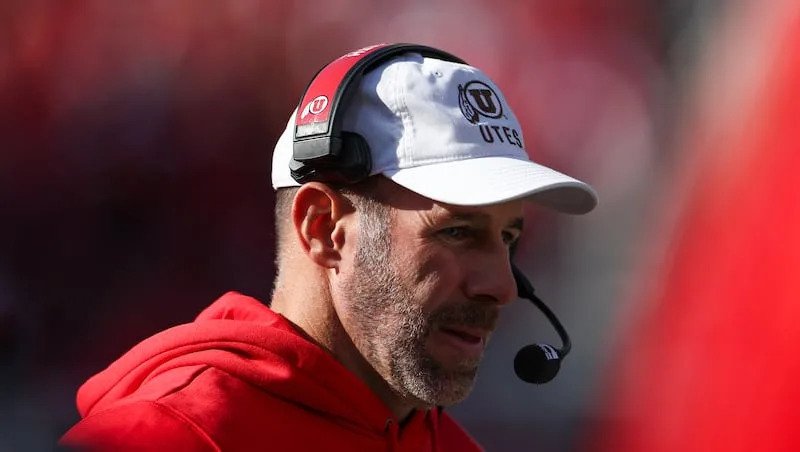
As Utah head coach Morgan Scalley and general manager Joe D’Orazio decide how to spend the team’s roster money, they lean towards proven production over spending a lot on unproven freshman, as good as they may be projected to be.
“When it comes to freshmen, that’s going to be a projection. Everyone’s projecting because you really haven’t done it yet at the college level. When it comes to our own players that have actually done it, to me, you have to be able to reward production,” Scalley told the Deseret News this summer.
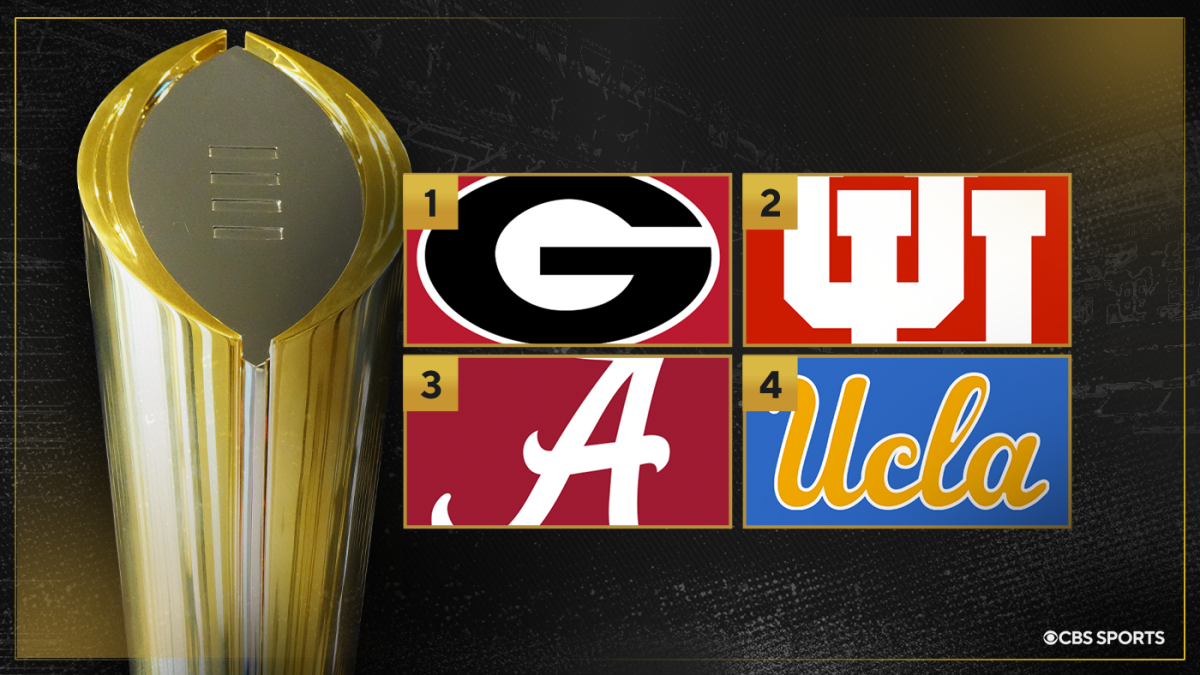
Utah’s roster strategy has worked. The Utes are the No. 2 team in the nation and have a better record than teams that have spent much more money.
While the college football game-day experience might be similar to years past, everything happening off the field with money and the transfer portal is a significant departure from the college football of yesteryear.
Advertisement
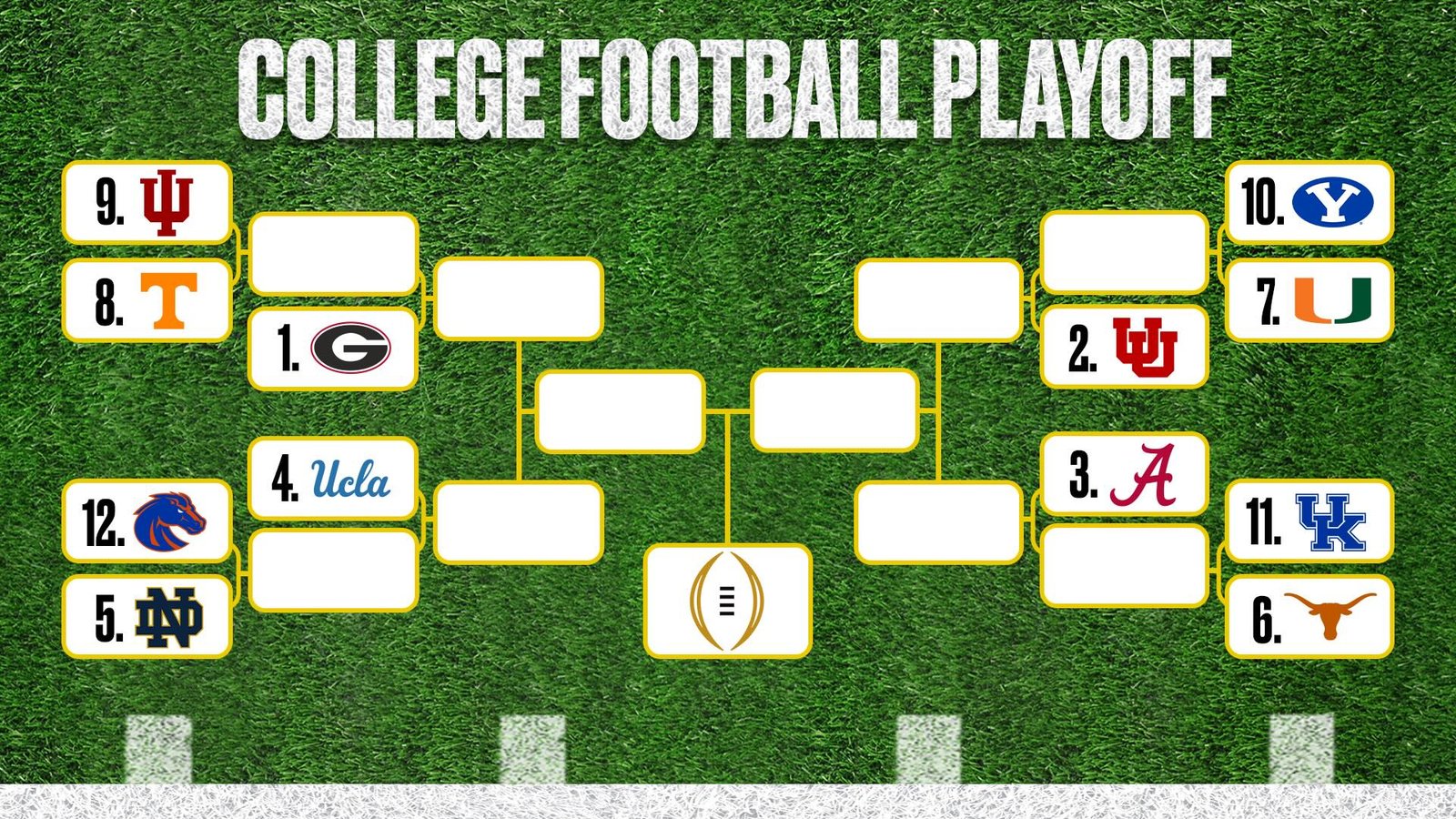
The final step in the professionalization of college football happened on Monday when ESPN and the College Football Playoff reached a five-year, nearly $1.7 billion deal to expand the playoff to 24 teams.
The 24-team playoff begins with the 2027 season.
As a result of the expanded playoff, Power Four conference championship games will be eliminated.
Across each of the Power Four conferences, the team with the best regular-season conference record will be crowned the conference champion and earn an automatic bid to the playoff. The highest-ranked Group of Six team will also earn an automatic spot in the playoff.
Advertisement
The other 19 spots will be determined by the final College Football Playoff committee rankings.
Each of the top eight seeds will get a first-round bye and then host a home game in the second round. Seeds 9-16 will host a first-round home game against seeds 17-24.
The quarterfinals and semifinals will be hosted by the traditional “New Year’s Six” bowl sites: Cotton, Orange, Rose, Sugar, Fiesta and Peach Bowls.
Detractors of the expanded playoff say that it waters down the regular season. Utah and BYU’s historical top-10 matchup carried such high stakes thanks to the Big 12 title game race and College Football Playoff implications.
Advertisement
After the loss, there’s a chance that a 10-2 BYU team doesn’t make the 12-team College Football Playoff. In the move to a 24-team playoff, the Cougars certainly would.
The college regular season, especially in the BCS and four-team CFP era, was by far the most meaningful in American sports, with just one or two losses often being the difference in playing for a national championship or a New Year’s Six bowl game.
Beyond the national championship, teams could still enjoy a successful season with a win in one of the New Year’s Six bowl games, like Utah did in 2004 and 2008.
Winning a conference championship will also have less meaning without a conference championship game to crown the winner, especially in the era of mega-conferences and unbalanced schedules.
Advertisement
As things stand today, Utah and Texas Tech are projected to meet in the Big 12 championship game.
In the 24-team playoff era, which includes the elimination of the Big 12 championship game, the two best teams in the conference this year wouldn’t play each other at all, since the Utes and Red Raiders didn’t meet in the regular season.
For SEC and Big Ten programs like Georgia or Ohio State, the regular season will become much less meaningful. A three-loss Buckeyes team, for example, would likely be in.
Bowl games will also take a major hit without the top 24 teams playing in them. Players have already been opting out of the non-CFP bowl games, and that trend could get much worse going forward.
Advertisement
For schools like Utah and BYU, though, the 24-team playoff is a major boon.
2004 and 2008 Utah, for example, would have given them the opportunity to play for a national title under the current system.
Per The Athletic’s David Ubben, if the 24-team playoff had existed since 2014, Utah would have made it eight times, tied for seventh-most appearances with LSU, Michigan and Oregon.
Oklahoma State would have had six appearances and Baylor, BYU and TCU would have had four.
In fact, had the 24-team playoff been in effect last season, the No. 15 Utes would have hosted a game against No. 18 Michigan, with the winner getting No. 2 Ohio State in the next round.
Advertisement
For the Big 12, which has been left out of the CFP mix plenty of times over the past decade, the expanded playoff will create a lot more opportunity for its teams.
As the 2026 Utes eye their first Big 12 championship and College Football Playoff appearance in school history, making the CFP could become a regular accomplishment if the Utes keep their current program pace.
For Scalley and the Utes, the 24-team playoff is a positive.
“I’m all about competition on the field to prove who’s the best. I’ve always thought that more representation needs to happen,” Scalley said at his Monday press conference. “Now, whether you focus on the Power Four exclusively competing against each other and then your G4 competing against each other, I just want to make sure that there’s much more opportunity.”
Advertisement
The new system draws the Power Four closer to the NFL.
Fourteen of the 32 NFL teams — 43.8% — make the playoffs each year.
There are 68 Power Four teams plus Notre Dame, and though the exact percentage will vary from year to year based on how many Group of Six teams are ranked in the final Top 24, if Power Four teams make up 22 out of 24 spots, that would mean that 32.4% of Power Four teams would play in the playoff.
Last year, just 10 Power Four teams of 68 — 14.7% — made the 12-team CFP.
“You get near the end of the season, injuries happen, teams get hot late. Like I said, in the NFL, you’ve got 14 teams that make the playoffs, close to a 50% representation of the NFL,” Scalley said.
Advertisement
“And I get people are going to say, ‘Well, each team (in the NFL) is good.’ Well, I think once you focus on the Power Four, you can get a very good mix of parity and proving it on the field needs to be the main way of doing it.”

Utah Utes fans cheer during a football game against the BYU Cougars at Rice-Eccles Stadium in Salt Lake City on Saturday, Nov. 7, 2026. | Tess Crowley, Deseret News









Leave a Reply