
Introduction
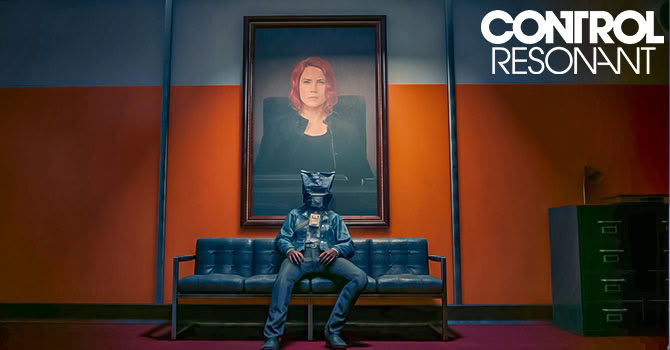
Control Resonant is Remedy Entertainment’s sequel to Control, and this time you’re not playing as Jesse Faden, but her brother Dylan is the hero. Since the events of Control, Jesse has become Director of the Federal Bureau of Control, and she has gone missing—finding her takes Dylan across an altered Manhattan. Combat has been revamped completely: the original’s combat style is gone and melee has taken its place, with many options for tactics and customization. Remedy self-publishes this time, with Annapurna co-financing, and the game is on Steam and Epic alongside PS5 and Xbox.
Under the hood, Control Resonant runs on Northlight, Remedy’s in-house engine, and it uses the same technology as Alan Wake 2. DirectX 12 is the only rendering API. Just like in the studio’s previous games, there is no native rendering option at all, you’ll always have to use either DLSS or FSR (100% scaling is supported). Frame generation for NVIDIA and AMD is supported, too, and you also get support for DLSS 4.5 Ray Reconstruction. Intel XeSS is missing completely—there is no XeSS library in the game files and no XeSS entry in the settings menu, but FSR is an option for Intel GPUs. Ray tracing covers direct lighting, transparency and debris, path tracing handles indirect lighting, and HDR, ultra-wide and an uncapped frame rate are all supported.
This review will evaluate the performance of Control Resonant across a wide range of contemporary graphics cards, compare image quality settings, and analyze the game’s VRAM usage to provide insight into the hardware requirements needed for an optimal experience.











Leave a Reply