

As the Financial Times’ Business of Luxury Summit makes its Bangkok debut, Thailand’s overarching influence is emerging past being just another luxury consumer market.
Thailand’s US$4.4 billion luxury retail market is poised for further growth as the country moves beyond being a destination for international luxury brands to being an influential force in shaping global fashion and luxury trends.
With property consultancy CBRE forecasting annual growth around 5% through 2028, Thailand’s luxury industry is gaining momentum beyond the spending power of affluent consumers and international visitors. In recent years, a handful of Thai actors have earned spots on The Business of Fashion’s BoF 500 index, while global luxury houses increasingly turn to Thai talent to reach audiences across Asia and beyond.
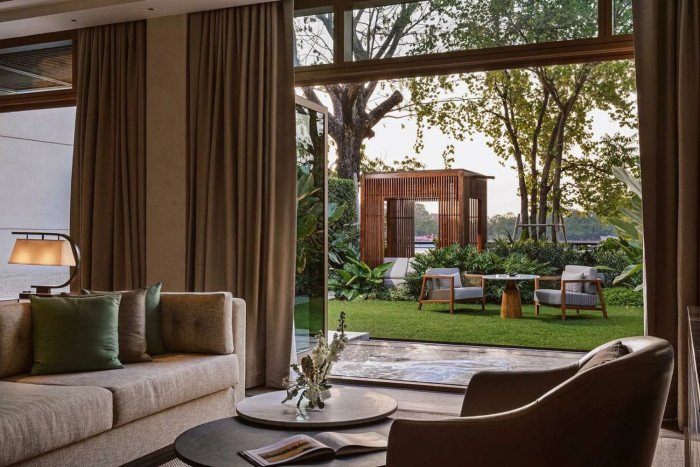
Against this backdrop, the Financial Times is bringing its Business of Luxury Summit – Asia Edition to Bangkok for the first time. Following its inaugural edition in Hong Kong last year, the summit brings leading figures from the global luxury industry together at Capella Bangkok, overlooking the Chao Phraya River, from Oct 19–20.
Thailand’s turn in the global luxury spotlight, now, was perhaps only a matter of time.
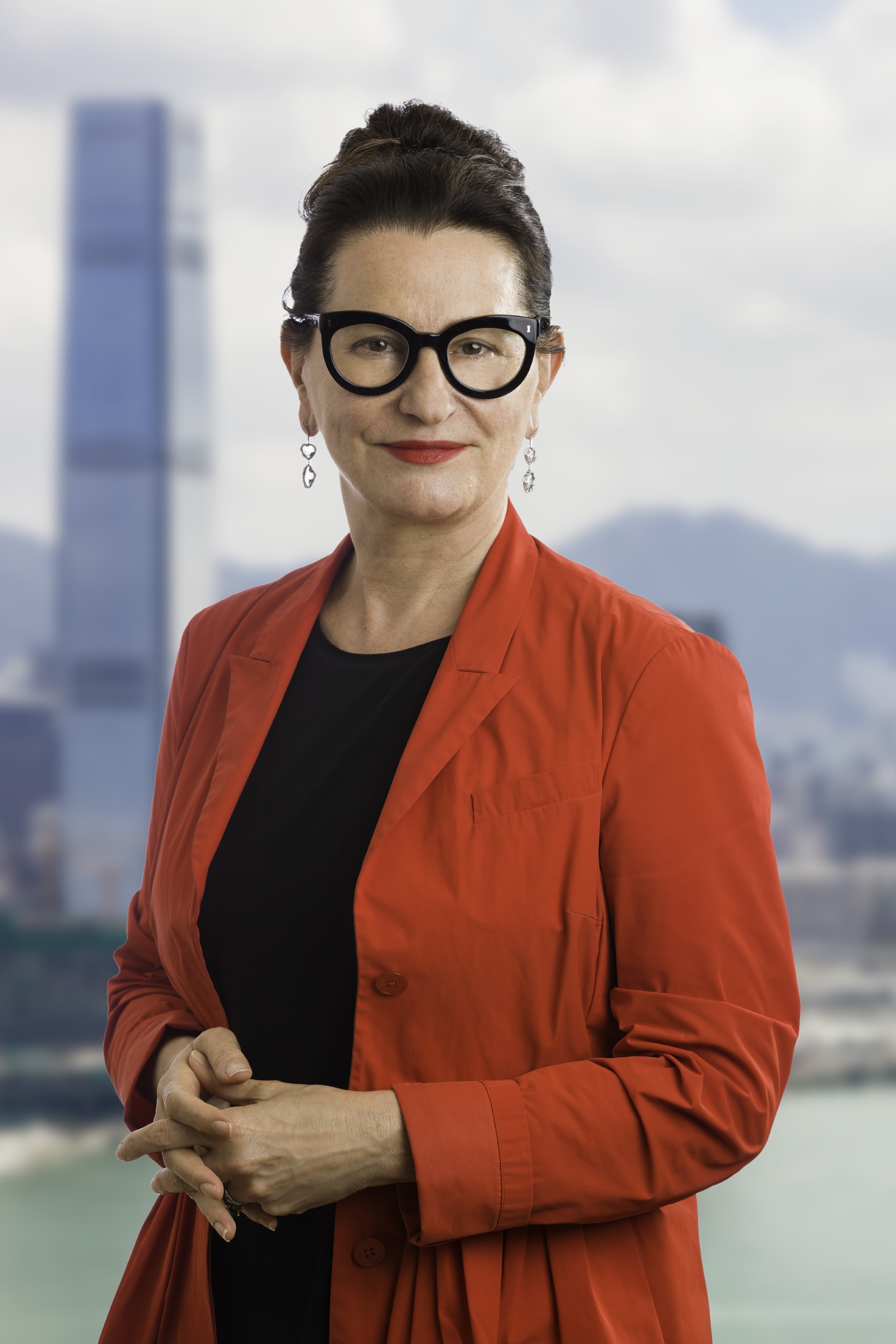
Angela Mackay, the Financial Times chief commercial officer and managing director, Asia Pacific.
The Bangkok Post spoke with Angela Mackay, chief commercial officer and managing director, Asia Pacific, at the Financial Times, about Thailand’s potential as both a luxury market and a trendsetter.
“What’s particularly interesting is that Thailand isn’t just attracting global luxury brands; it’s increasingly influencing them,” she said.
“We have seen Thai entertainment figures gain significant influence in global fashion, with leading actors and artists becoming ambassadors for major luxury houses, and shaping trends across Asia and beyond.”
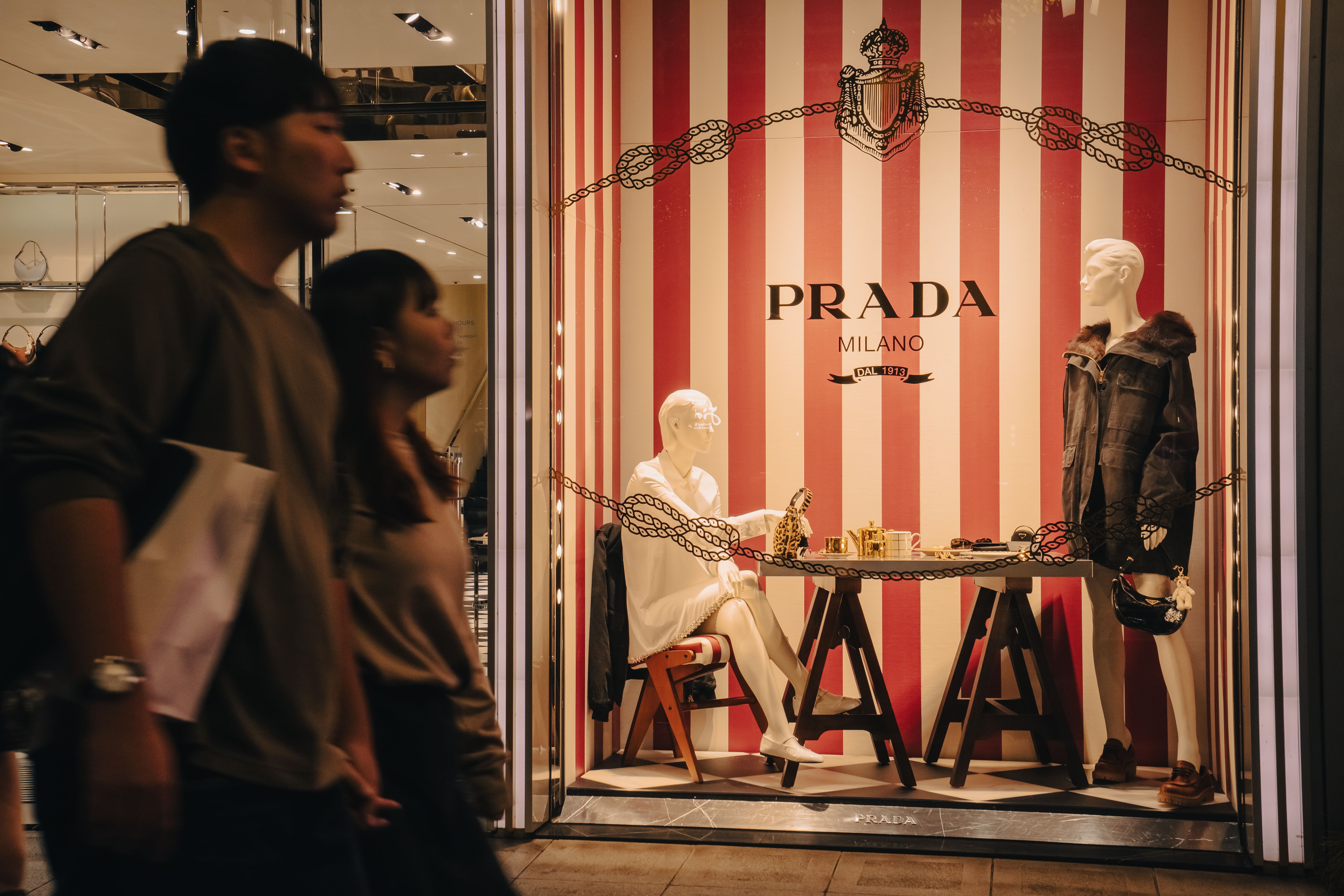
That influence is not limited to celebrity endorsements. Mackay also sees growing confidence in home-grown brands, with local culture and craftsmanship becoming part of Asia’s appeal. The region, in other words, is developing a luxury identity of its own.
But the opportunity extends beyond fashion. Luxury consumers are increasingly spending based on experiences, rather than products alone, a shift that plays to Bangkok’s strengths in hospitality, culture and tourism.
“I see tremendous opportunities for luxury in Asia. Wealth is growing, consumers are increasingly mobile and expectations of luxury are broadening beyond products towards experiences, from hospitality and wellness to culture, travel and branded residences. In Bangkok, you can see these different elements coming together to create new luxury ecosystems,” Mackay said.
For Southeast Asia, long recognised for its hospitality, this creates an opportunity to offer more than five-star accommodation or upscale shopping. From wellness retreats to dining and cultural experiences, what matters is how each part of a visit comes together.
“For today’s luxury traveller, time is perhaps the ultimate luxury, so experiences need to feel seamless, distinctive and not something that can simply be bought off the shelf,” she said.
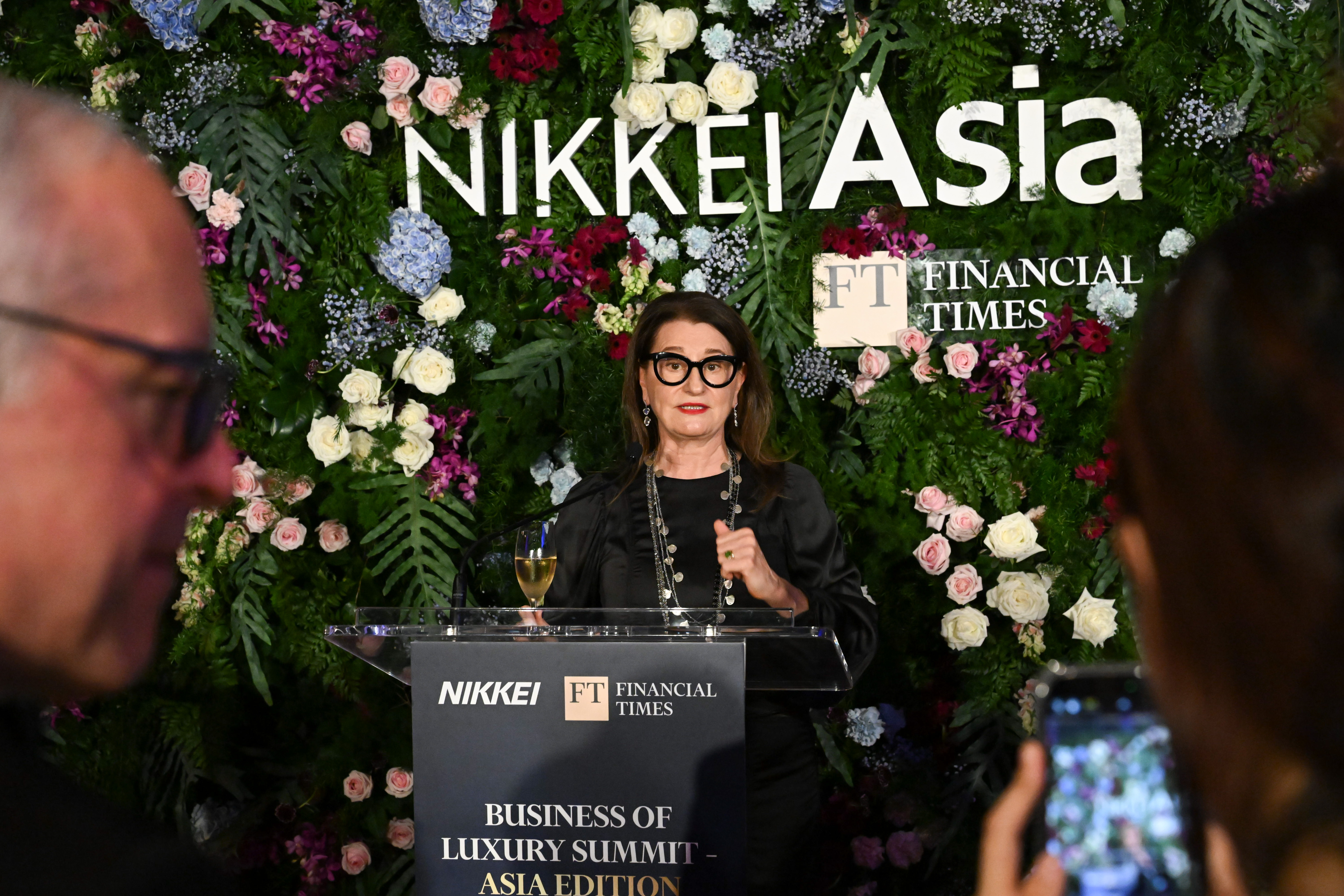
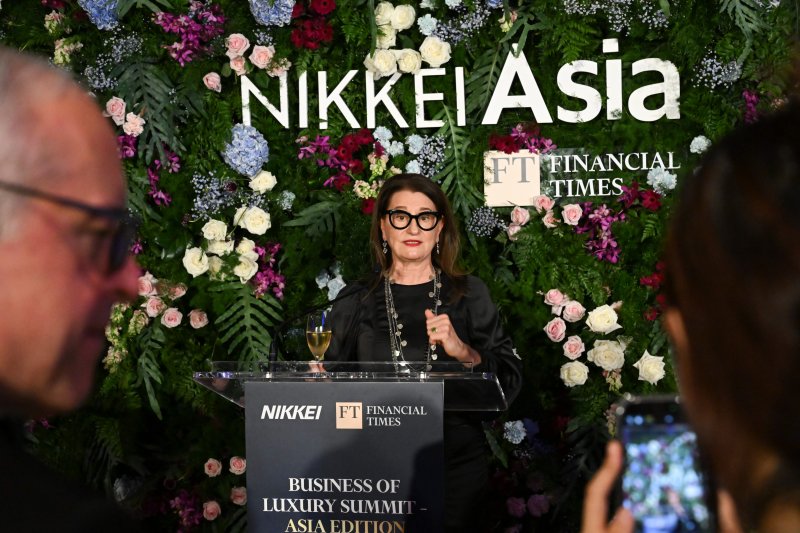
Angela Mackay addresses last year’s Business of Luxury Summit – Asia Edition, in Hong Kong.
Yet growth does not mean luxury spending is immune to economic uncertainty. Mackay said Asian consumers have shown resilience, although the wealthiest remain better protected from changes in confidence than buyers at the more accessible end of the market.
“So we’re seeing a more polarised market rather than simply a weaker one, with spending patterns varying considerably across countries and consumer segments.”
This also means brands cannot treat Asia as a single market. Expectations differ from country to country, and global names will need to find a balance between their international identity and local tastes.
For Thailand, the opportunity lies not only in attracting overseas investment but also in building on its own cultural influence. What was once seen largely as a destination for luxury consumption could increasingly have a say in how luxury is defined.
“The next phase won’t simply be about global luxury expanding into Asia, but about the region helping to shape the future of luxury worldwide,” Mackay said optimistically.
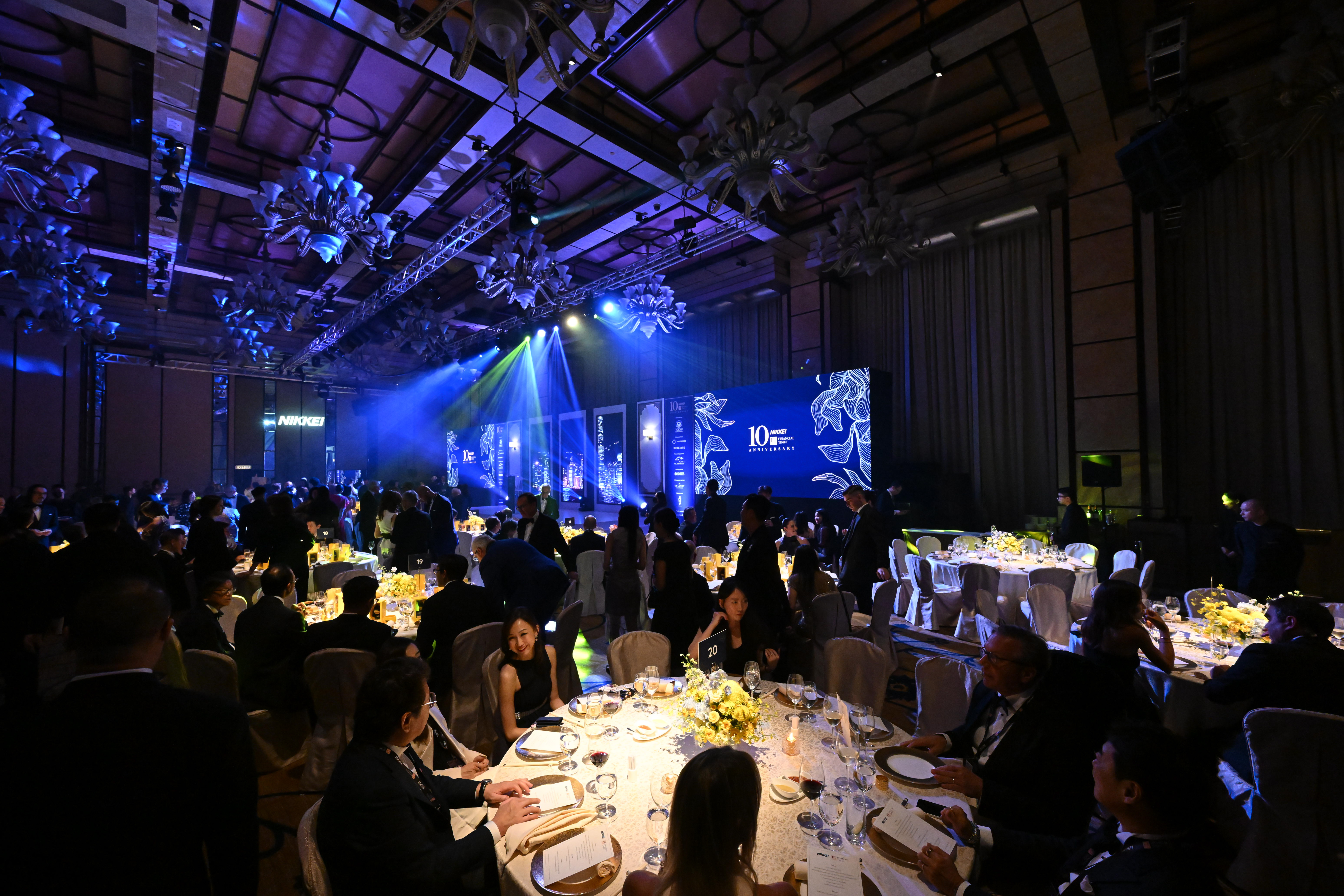
Last year’s Business of Luxury Summit – Asia Edition, hosted in Hong Kong.
The Financial Times’ Business of Luxury Summit – Asia Edition, will take place on Oct 19–20 at Capella Bangkok.








Leave a Reply