Call it pure AI-magination.
Limited time: Save 25% on NBC News subscription
Get exclusive reporting, live Q&As and ad-free reading.

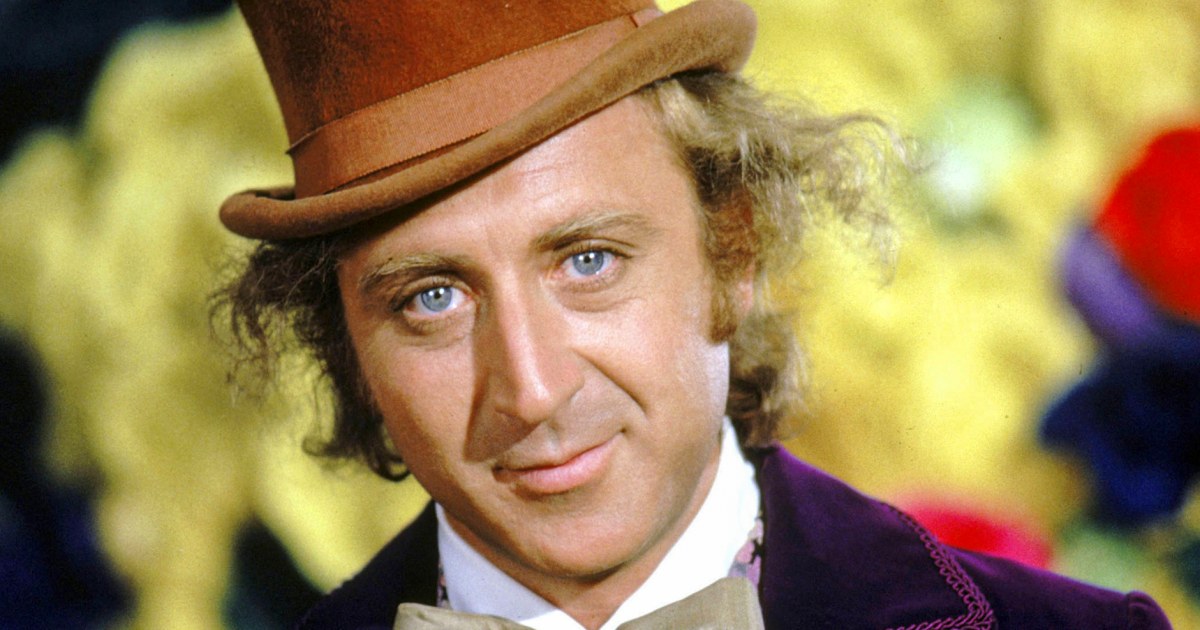
On Tuesday, Netflix unveiled the trailer for its new Willy Wonka-themed competition show, which features a re-creation of Gene Wilder’s voice. Wilder, who died in 2016 at age 83, was known for his role as the eccentric candy man in the 1971 children’s favorite “Willy Wonka & the Chocolate Factory.”
“Wonka’s The Golden Ticket,” which premieres on Netflix on Sept. 23, will follow 12 contestants as they navigate a series of challenges inside Wonka’s Chocolate Factory for the chance at one grand prize.
“A whole new generation of real-life Golden Ticket holders will compete for a life-changing prize or say a most unfortunate goodbye,” the AI-generated voice of Wilder says in a voiceover for the trailer. “Marvel at the magic you remember and delight in my newest wonders beyond imagination. The most extraordinary competition on Earth is about to begin.”
Karen Wilder, Wilder’s wife, said his estate is “delighted” that the show will be “introducing that magic to a new generation while honoring the fans who have cherished it for decades.”
“More than five decades after Gene brought Willy Wonka to life, people of all ages and backgrounds around the world continue to find joy, laughter and inspiration in his performance,” she said in a statement provided by Netflix.
The project is a partnership between Netflix and the AI voice generation company ElevenLabs, which has been making inroads in Hollywood in recent years.
Just last week, ElevenLabs released its own audiobook version of Homer’s “Odyssey,” narrated by an AI-generated clone of Michael Caine’s voice, which was similarly licensed with permission from his estate.
The startup has a “marketplace” system that lets companies ask to license AI-generated reproductions of certain highly recognizable voices to use in media campaigns and creative projects.
Licensable voices on the platform include those of celebrities like Stan Lee and David Hasselhoff, historical figures like Thomas Edison and J. Robert Oppenheimer and fictional characters like Optimus Prime and Mr. Potato Head.
Including late actors’ likenesses in films is becoming an emerging phenomenon.
In March, a New Mexico-based production company announced that it had created an AI-generated reproduction of Val Kilmer — who died of pneumonia last year — to play the role he was cast for in the upcoming film “As Deep as the Grave.”
“Despite the fact some people might call it controversial, this is what Val wanted,” the film’s director, Coerte Voorhees, told Variety at the time, noting that Kilmer’s estate granted permission.
But using AI that way has often stirred pushback from others in the film industry, who say they’re worried about loss of labor in an already dismal market for Hollywood jobs.
Last year, the launch of the first fully AI-generated actor, Tilly Norwood, was widely criticized for what the actors union SAG-AFTRA described as “devaluing human artistry.”
Online, news of the AI use in Netflix’s reality series quickly drew callbacks to other AI-driven revivals of “Willy Wonka & the Chocolate Factory” in recent years.
In 2024, a Willy Wonka-inspired experience in Glasgow, Scotland, fell so drastically short of its advertised extravagance — with seemingly AI-generated posters and AI-written scripts for actors — that attendees called the police. It became such a viral moment online that the event inspired a spinoff in Los Angeles.
Film reviewer Stefan Ellison wrote on X in response to the new Netflix show: “Just hire someone to play Willy Wonka. Even the Wonka Experience in Glasgow did that.”
Some fans online suggested that Wilder wouldn’t have signed off on the project if he were alive today, pointing to how he criticized the 2005 “Wonka” remake.
“It’s all about money,” Wilder told The Guardian. “It’s just some people sitting around thinking: ‘How can we make some more money?’”