
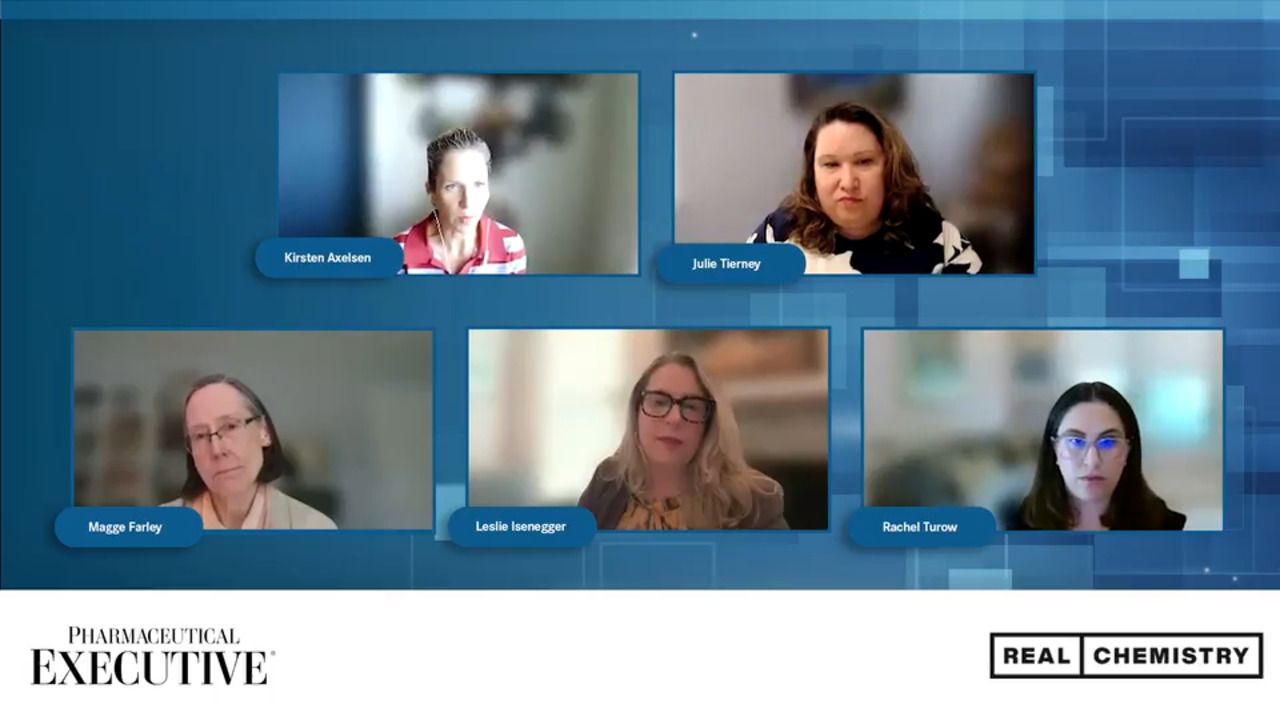
In this segment, Rachel Turow of Skadden and Julie Tierney of Leavitt Partners unpack the two very different ways artificial intelligence is showing up in pharma today: as a tool in drug development, and as a tool inside FDA’s own review process.
Turow explains that AI used in drug development has to be validated to the same standard as any other tool, while FDA’s operational use of generative AI — including its ELSA system for summarizing applications — is already improving reviewer efficiency, though she stresses that human verification of AI output remains essential and that she recommends companies run submissions through their own AI tools before filing to anticipate how FDA’s tools might respond. Tierney agrees, adding that AI can be useful for clear writing and surfacing precedent, but that experienced reviewers’ judgment remains irreplaceable. Turow raises a further legal question about whether an internal FDA AI system that learns across sponsor applications could raise concerns about one sponsor benefiting from another’s confidential work, while Tierney notes that FDA has said ELSA’s scope is currently limited and that transparency around these rollouts has been limited so far.
Regulatory affairs, legal, and drug development teams will gain a clearer view of where AI is genuinely improving efficiency today, and where legal and transparency questions remain unresolved.









Leave a Reply