
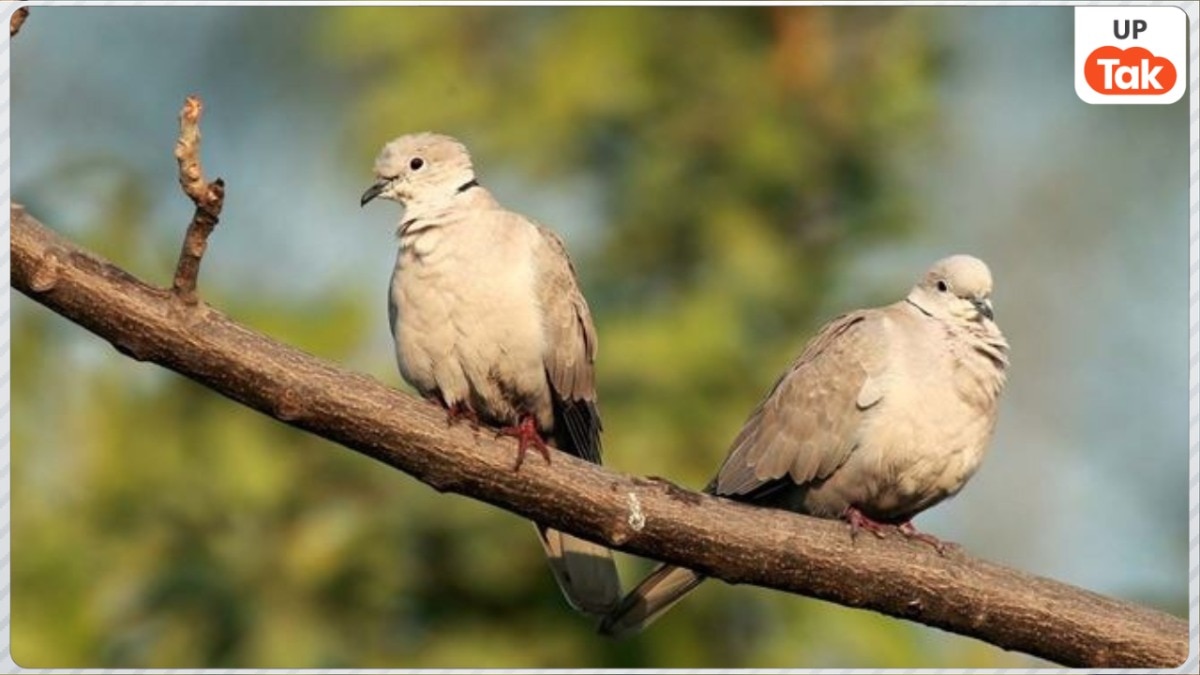
Humans have had the desire to communicate with other biological entities for generations. After supposedly failing to truly grasp their language for an endless time, they had mostly found satisfaction in teaching their own language to creatures like parrots and other birds. And today, AI is here, and it is changing the world at breakneck speed. By 2030, humans could finally have a way to communicate with animals, including birds, with the help of AI, according reports.
Yes, it sounds fascinating, but this could have some far-reaching and even disturbing consequences. Imagine the situation where a mob of humans starts trying to communicate with a flock of birds. Or, worse, hunters start laying a new type of AI trap for hunting. The idea sounds like science fiction, but researchers believe AI could bring it closer to reality.
According to a report by Bloomberg, the pursuit of animal communication is not new; in fact, humans have been trying it for thousands of years. Researchers found 12,000-year-old bone flutes that were likely used to talk to falcons. Decades later, animal psychologist Irene Pepperberg spent 30 years studying an African grey parrot named Alex, who passed away in 2007. Even famous anthropologist Jane Goodall claimed she could understand what chimpanzees were saying.
Old dream, new tools
Today, though, things are different because two technologies are advancing at the same time – AI and biologgers. Biologgers are small electronic tags that scientists attach to different species to record the sounds they make, whether it’s a whale’s song or a wolf’s howl. Researchers now believe that if AI is fed a large enough dataset of these recordings, it could start recognising patterns humans have missed for centuries, and maybe even help translate what animals are trying to say.
Private equity billionaire Jeremy Coller, one of the field’s biggest donors, is confident about the timeline. He believes AI is moving so fast that “we will crack the code by 2030,” as he said in a June speech. Most researchers chasing this goal share the same underlying motivation: they believe that if people can truly understand what animals think and feel, they will be less likely to shrug off climate change, support industrial farming, or ignore the destruction of natural habitats.
A darker history
But there’s a catch, we humans have a long history of turning tools against the very animals we studied. For instance, in the twentieth century, whalers used sonar to panic whales to the surface before killing them. Poachers today mimic bird calls, once a tribal hunting technique, but now loop the recordings on speakers to lure birds straight into traps. Even researchers working on this new wave of AI translation admit the risk is real — his own work on crow communication, he says, could be twisted by hunters into a simple, dangerous message: “Come, it’s safe.”
So while the idea of chatting with a crow or a whale sounds like science fiction, the report makes one thing clear: understanding animals might be the easy part. Doing it responsibly could be the real challenge.
– Ends












Leave a Reply