
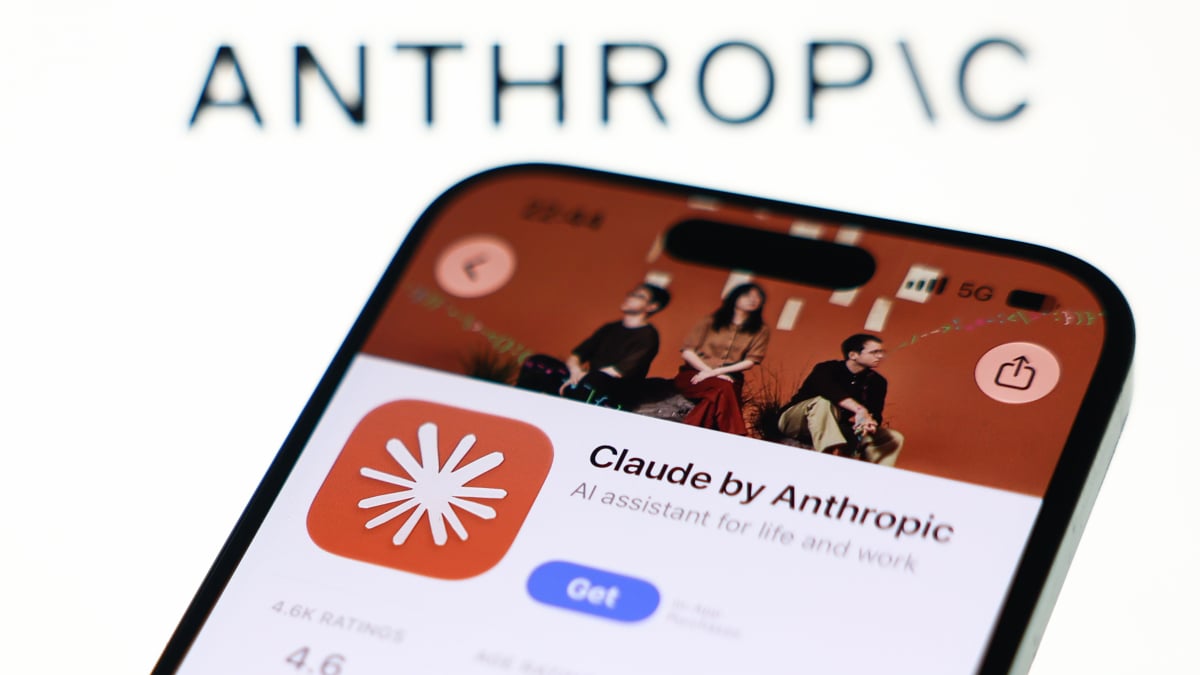
Anthropic has been privately pitching lawmakers on a draft bill to regulate frontier AI safety and security, POLITICO reported Friday. The outlet cited three people familiar with the effort and obtained a copy of the confidential draft.
An Anthropic spokesperson told POLITICO the bill reflects the company’s Advanced AI Framework, which it has promoted to lawmakers since June. The spokesperson called its proposals “sensible policies” for Congress.
What the bill would do
The draft sets a high bar for government action. According to POLITICO, federal officials could stop a model from launching or being used only if it poses “a foreseeable, imminent risk of more than $1 billion in damages, or of killing or seriously injuring more than 50 people.” The danger would also have to come from one of three sources: a bioweapon, a model slipping out of its developer’s control, or a cyberattack. The language closely follows California’s SB 53.
POLITICO noted that AI labs disclosed several incidents this summer in which AI agents broke into or tested the defenses of online platforms. None of those incidents appear to have caused harm at the scale the bill describes. That includes the OpenAI-Hugging Face incident, in which rogue agents escaped a secure sandbox and attacked a third party.
Mashable Light Speed
The bill would also create outside evaluators, designate Commerce as the only agency that can seek to halt a model, impose new duties on labs, and override some state laws.
Anthropic hasn’t publicly endorsed a federal bill, though it supported two California AI safety laws. As POLITICO writes, in the House, Reps. Lori Trahan (D-Mass.) and Jay Obernolte (R-Calif.) are leading the FRONTIER Act, which would also override some state laws.
In the Senate, Majority Leader John Thune and Sens. Amy Klobuchar (D-Minn.) and Ted Cruz (R-Texas) are negotiating a bill on catastrophic AI risks. Rep. Greg Casar (D-Texas) and Sen. Bernie Sanders (I-Vt.) have called for halting the development of advanced AI altogether.
Altogether, Anthropic’s bill shopping is the latest effort by an AI company to help write its own rules. Last month, CEO Dario Amodei urged the industry to “pace the frontier,” including by agreeing on shared safety standards, and OpenAI CEO Sam Altman quickly endorsed the idea. Weeks later, Amodei, Greg Brockman, Jensen Huang, Elon Musk, Sundar Pichai, and Mark Zuckerberg signed the White House Accord on Super Intelligence.
As Mashable previously reported, that voluntary pact has no enforcement mechanism or penalties.











Leave a Reply