
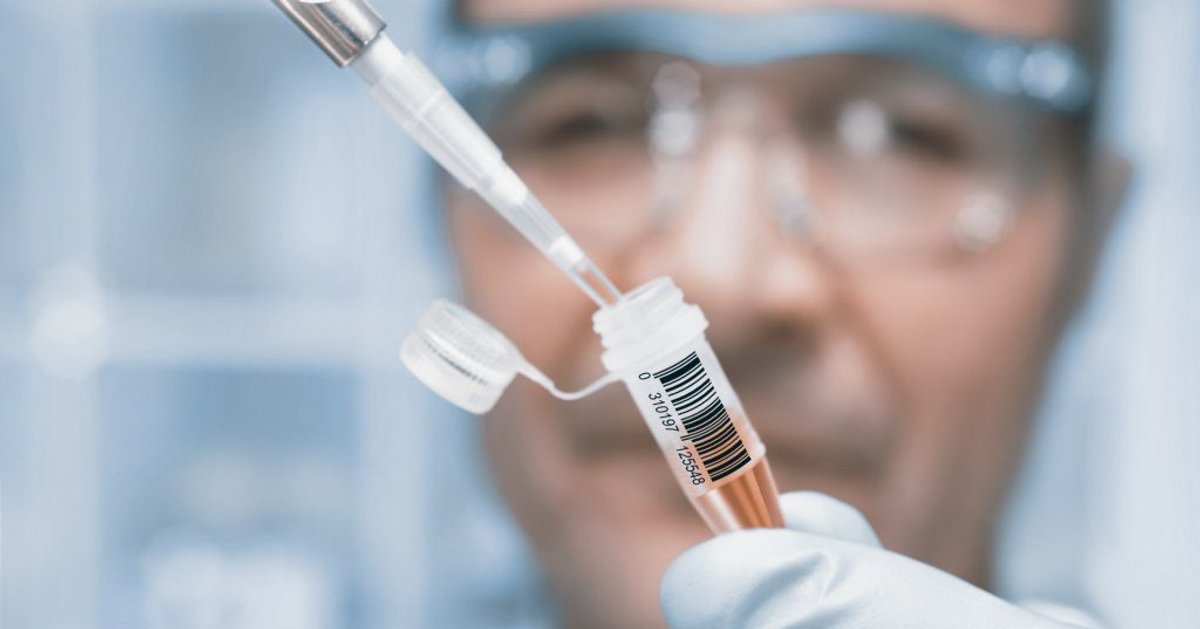
“Lundbeck is running its first end-to-end AI-guided protein engineering loop, starting with two antibody programs,” explains Stef on LinkedIn.
“Their scientists design candidates and test them in the lab, the results feed straight back into Cradle, and each round the predictions get sharper.
“The goal is simple: reach high-quality candidates in fewer wet-lab iterations.”
For pharmaceutical companies, such AI-enabled workflows could help shorten parts of the discovery process while expanding the range of biological candidates that can be investigated.
Building an AI-enabled R&D ecosystem
The partnership forms part of Lundbeck’s broader adoption of AI across its research and development activities, complementing its collaboration with the Danish Centre for AI Innovation.
That partnership provides Lundbeck with access to Denmark’s Gefion AI supercomputer, giving researchers advanced computing capabilities for large-scale scientific modelling and discovery.
Across the organisation, Lundbeck estimates that AI-driven initiatives are already contributing more than 12,000 hours of time savings each week through efficiency gains.
Within drug discovery, AI-enabled structural insights and predictions that previously took months can now be generated in under 24 hours, while the searchable scientific space has expanded by approximately 50,000 times.
Cradle, founded in 2021 in Amsterdam and Zürich, has raised more than US$100m and works with pharmaceutical and agtech companies to combine generative AI and protein language models with laboratory testing.










Leave a Reply