
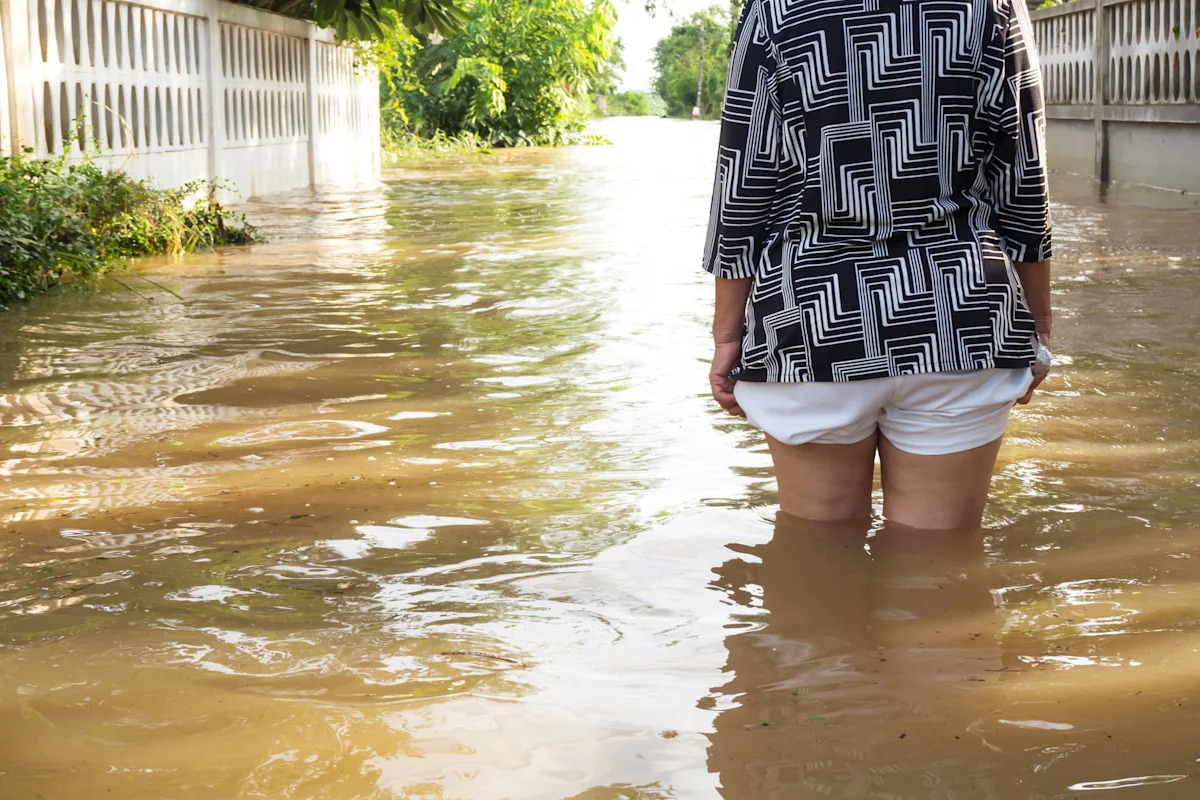
As hurricanes and tropical storms churn coastal waters, health officials are warning about a rare but potentially deadly bacterium that can thrive in floodwaters and storm surge.
Hurricane Isaias, which made landfall as a Category 2 hurricane in Florida on Oct. 9, left thousands without power and wrought damage that communities were still working to repair a week later. As hurricane season soldiers on, experts say coastal residents should be aware of a rare but serious health threat that often emerges in their aftermath.
Vibrio vulnificus, a bacterium that thrives in warm brackish water, has been linked to significant increases in severe infections following hurricanes including Ian, Helene and Milton. “Hotspots” for the bacterium include states along the Gulf, like Louisiana, Mississippi and Florida, all of which typically report some vibrio infections as part of an annual summer season.
People often catch a vibrio infection after eating raw seafood, especially oysters, but contact with storm waters is also a known risk factor. Certain weather events have given rise to clusters of certain vibrio infections that are sometimes called “flesh-eating.”
“These associated bacterial infections can bloom or blossom or surge as a result of a storm,” Dr. Alan Bulbin, director of infectious disease at Catholic Health, St. Francis Hospital and Heart Center of Roslyn, New York, told USA TODAY. “Infection can be rather quick, within hours or days.”
Here’s what to keep in mind during storm season.
What is vibrio vulnificus?
Vibrio vulnificus is a bacterium that causes a serious infection called vibriosis. Different types of vibrio bacteria cause different infections, with vibrio vulnificus causing the “most serious forms of vibriosis,” according to the Cleveland Clinic.
The potentially fatal infection can quickly result in tissue damage and spreading blisters, low blood pressure, fever, organ damage, sepsis and death.
Vibrio vulnificus is often referred to as “flesh-eating” because it can also cause necrotizing fasciitis, a bacterial infection that destroys muscle and skin tissue, causing flesh around wounds to die, according to the CDC. Vibrio vulnificus is not considered the most common cause of necrotizing fasciitis in the United States, however.
The bacteria and resulting infections are rare but can be life-threatening. Without treatment, patients can die in just a few days.
How does ‘flesh-eating’ bacteria enter the body?
Vibrio vulnificus requires salt water for survival and thrives in warm, brackish water where a stream or river meets seawater, according to the CDC. It is especially present in coastal waters.
Infections occur when contaminated water is swallowed or gets into an open wound, such as a cut or scrape. It can enter through broken skin but cannot penetrate unharmed skin.
Vibrio vulnificus can also enter your body when you eat uncooked or undercooked shellfish, especially oysters. Raw oysters and other seafood, along with seawater exposure, are the most common sources of vibrio outbreaks tracked by the CDC.
Once inside the body, the infection can spread to the blood and organs, usually within a matter of hours.

Vibrio infections have been known to surge in areas where brackish water floods during and after storms.
Is there a higher risk of flesh-eating bacteria after storms?
Severe weather events that cause flooding, such as hurricanes Helene and Ian, have been associated with higher rates of illness and death from the bacterium.
Hurricane Ian, which flooded Florida with storm surges reaching 12 to 18 feet, led to one of the largest documented outbreaks of weather-related vibrio infections in 2022, during which Florida health officials identified 38 hurricane-associated vibriosis cases and 11 deaths.
This represented an over 1,000% increase over the expected number of cases based on the previous five years, most of which (76%) were caused by vibrio vulnificus. The majority, 87%, of patients developed an infection after open wounds were exposed to storm surge or floodwater, according to the CDC. Almost all the patients, 36 of 38, were hospitalized.
After hurricanes Helene and Milton, reported cases of vibrio vulnificus also roughly doubled.
“The temperature of our coastal seas and water supplies is increasing, so these bacteria that like a higher temperature are more common and surviving at higher levels for longer periods of time because of overall temperature rise,” said Bulbin. “So you have higher temperatures, and then when you get a storm, that adds all kinds of stress to those rising sea levels and temperatures.”
Storm surges and flooding not only cause the mixing of fresh and coastal waters to create the brackish water that vibrio bacteria thrive in, but storm activity also pushes coastal water further inland where people are more likely to be.
“(There is a) push into the local community, and therefore a potential increase in human contact during rescue operations, in people being affected by flood water and wading in contaminated water,” explained Bulbin. “So you have all these factors that this bacteria really likes. And if it likes an environment that’s coming into direct contact with more humans, then you have more risk of infection.”
Symptoms of vibrio vulnificus infection
Symptoms of a vibrio vulnificus infection begin suddenly and quickly, usually less than 24 hours after exposure, according to the CDC and the Cleveland Clinic.
Common symptoms include:
-
A red, warm or swollen patch of skin or rash that spreads quickly and causes pain
-
Fluid-filled blisters and skin discoloration
-
Nausea, vomiting and diarrhea
-
Low blood pressure (often indicated by weakness, dizziness, fatigue and fainting)
-
Confusion or altered mental state
How to protect yourself against vibrio vulnificus
Exposure to flood and surge waters is the biggest risk for vibrio infections during storms. Covering and protecting exposed skin, especially skin that could be damaged, is the best way to avoid an infection entering the body by way of water.
“If you have a small cut or a scrape or a wound, that is potentially a wound infection or a soft tissue infection, which could be mild to rapidly fatal, depending on the host,” said Bulbin. “A lot of it is also the person themselves, the host that’s being exposed.”
Like with other types of infection, people who are older, immunocompromised, or have underlying conditions like liver disease are at higher risk for serious illness. If you are going to be wading in brackish storm waters, said Bulbin, you are at risk. Long pants, wading boots, proper footwear and extra attention to covering areas with even minor cuts or scrapes can help prevent infection.
To protect yourself, the CDC also suggests:
-
Avoid entering salt water or brackish water if you have any open wounds, including recent surgical sites, fresh tattoos and piercings, and even minor cuts or scrapes.
-
Cover any open wounds if you may come into contact with coastal waters or raw seafood, even if you don’t plan to be directly exposed to either. Exposure can also occur during flash flooding.
-
Immediately wash any area of open skin with soap and running water after contact with coastal water or raw seafood.
-
If you are at increased risk (people with weakened immune systems and conditions like liver disease, diabetes and kidney failure), wear protective shoes and clothes when in or near coastal waters.
This article originally appeared on USA TODAY: Deadly ‘flesh-eating’ bacteria can surge after hurricanes. Here’s why











Leave a Reply