


Good morning!
Grains mixed… As of 6 a.m. CT, December corn was up ¼ cent. January soybeans fell ¼ cent, with December soybean meal up $2.60 and December bean oil 36 points lower. December soft red winter wheat fell 8 ¼ cents, while December hard red winter wheat declined 9 cents.
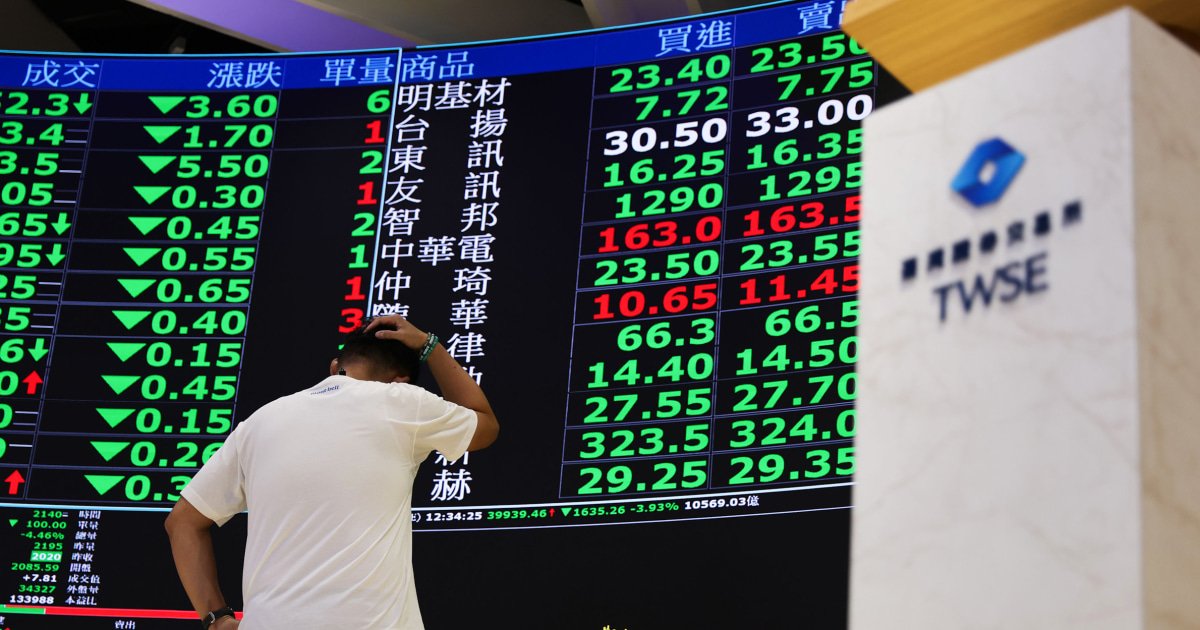
December corn hit a four-month low and January soybeans set another 2.5 month low Thursday as an epic stock-market selloff centered on the AI trade (see item below) sapped risk appetite and led to likely forced liquidations by speculators, while wheat bounced. A collapse in crude oil prices this week has also been a drag, particularly on soybeans and edible oils. Markets remain technically oversold but broader market jitters and positioning ahead of next week’s USDA crop production and supply-and-demand updates will likely continue. Analysts look for USDA to further bump up its soybean yield forecast while corn yield is expected to be trimmed.
In key outside markets, stock-index futures pointed to a mostly higher start after major indexes saw their biggest one-day percentage drops since April 2025 and the PHLX Semiconductor Index dropped 12.3% for its worst day since March 2020. Nymex WTI crude oil futures were up 0.5% at $91.01 a barrel, on track for a five-day drop of more than 12%. The 10-year Treasury note yield stood near 4.87%, falling this week as traders piled into safe-haven assets. The ICE U.S. Dollar Index was up 0.5%.
Burst bubble or necessary pause?… Stocks were headed for a big weekly decline after a Thursday meltdown sparked by fears that a Democratic victories in midterm congressional and gubernatorial races will threaten data center buildouts. Selling turned into a stampede, with investors indiscriminately selling anything tied to the artificial intelligence trade. This has sparked an important debate: Did the selloff mark the popping of an AI bubble, signaling more stock-market pain ahead? Or is it putting a welcome brake on the AI trade that will provide needed discipline on spending and expectations, setting the stage for a healthier, longer-lived rally? The answer isn’t clear. Bubbles are only confirmed after they burst.
Jobs data on deck… The stock market’s AI meltdown is overshadowing the October jobs report due this morning at 7:30 a.m. CT, but investors will pay close attention as they assess the likelihood of the Federal Reserve delivering more rate hikes. Economists surveyed by the Wall Street Journal, on average, looking for nonfarm payrolls to show a rise of 59,000 in October, up from 29,000 in September. The unemployment rate is expected to remain unchanged at 2%. A strong private-sector payrolls report earlier this week from ADP and an October job openings and labor turnover report that showed a resilient labor market point to a risk the monthly tally will give hawks on the Fed more fuel to push for a rate hike in December and then again in March, said Tom Essaye, founder of Sevens Report Research, in a note.
- Building on a streak: Through September 2026, the U.S. labor market had kept unemployment below 5% for 61 straight months (since September 2021), noted Torsten Slok, chief economist at Apollo, in a note. That’s just three months shy of the record 64-month stretch set from 1965 to 1970.
Democrats eye Canada tariff reversal… Congressional Democrats, fresh off this week’s midterm sweep, are taking aim at President Donald Trump’s trade war with Canada as a first target in a campaign to roll back the administration’s trade agenda, the Wall Street Journal reported. Sen. Ron Wyden of Oregon said he was “already talking” with colleagues about legislation that would push against Trump’s second-term levies on Canadian products. It isn’t clear Democrats could get the 60 votes needed to override a Senate filibuster, much less the two-thirds majorities in the House and Senate needed to override a presidential veto. The report said Democrats are confident they can encourage Republican defections by forcing votes on unpopular trade items in an effort to build momentum toward larger changes.
Early season cold surge… World Weather Inc. says an impressive early season cold surge over eastern Canada will drop through the eastern United States Tuesday through Nov. 15. The cold surge will help to sharpen the high-pressure ridge while dropping temperatures well below normal for a few days in the Great Lakes region, eastern Midwest and Atlantic Coast states; it will reinforce the unusual warmth expected in Canada’s Prairies and the north-central U.S. This will also maintain very little precipitation potential except along the west coast where impressive rain and mountain snow will occur from northern and central California into western Washington, the forecaster said.
Nutrien sees strong potash demand… Nutrien, the world’s largest potash producer, posted quarterly earnings Thursday that came in below analyst expectations as it deals with global fertilizer production challenges, Reuters reported. A slump in fertilizer sales and higher sulfur and other production costs were a drag on profitability, the report said. Third-quarter earnings of 61 cents a share compared to expectations of 80 cents. The Canada-based company said financially squeezed farmers put off nitrogen fertilizer purchases, especially in Brazil, though global demand for potash, its main product, remains strong.
World food prices moderate… Declines in cereal, dairy and meat prices due to weaker import demand saw world food prices fall slightly in October, the United Nations’ Food and Agriculture Organization said on Friday. The FAO Food Price Index, which tracks monthly changes in international prices for a basket of food commodities, averaged 133.9 points in October, down from a revised 135.6 in September. Compared to a year earlier, the FFPI stood 7.5 points (5.9 percent) higher but remained 26.3 points, or 16.4%, below its March 2022 peak.
Biggest palm oil weekly loss in 2 years… Malaysian palm oil futures extended a decline to hover below MYR 4,350 per tone, their lowest level since March and set for their biggest weekly drop in nearly two years, according to Trading Economics. This week’s plunge in crude oil prices has weighed on sentiment, sinking prices for edible oils and undercutting palm oil’s appeal as a biodiesel feedstock, the report noted, adding that regional competition intensified as top supplier Indonesia cut its November crude palm oil reference price by more than 6% and lowered its export levy.
Cattle sink on Wall Street meltdown… The sharp selloff in stocks likely added to a downdraft on cattle along with continued weakness in cash trade and lower boxed beef prices. December live cattle fell $3.60 to close at $214.40, hitting a two-month low. January feeder cattle dropped $5.40 to $320.325, after scoring a six-week low.
Hogs score another low… December lean hog futures closed $2.45 lower Thursday at $55.10, hitting yet another contract low amid the downdraft in cattle futures and continued weakness in cash trade. Friday’s projected CME cash hog index is down $1.07 at $62.86.













Leave a Reply