
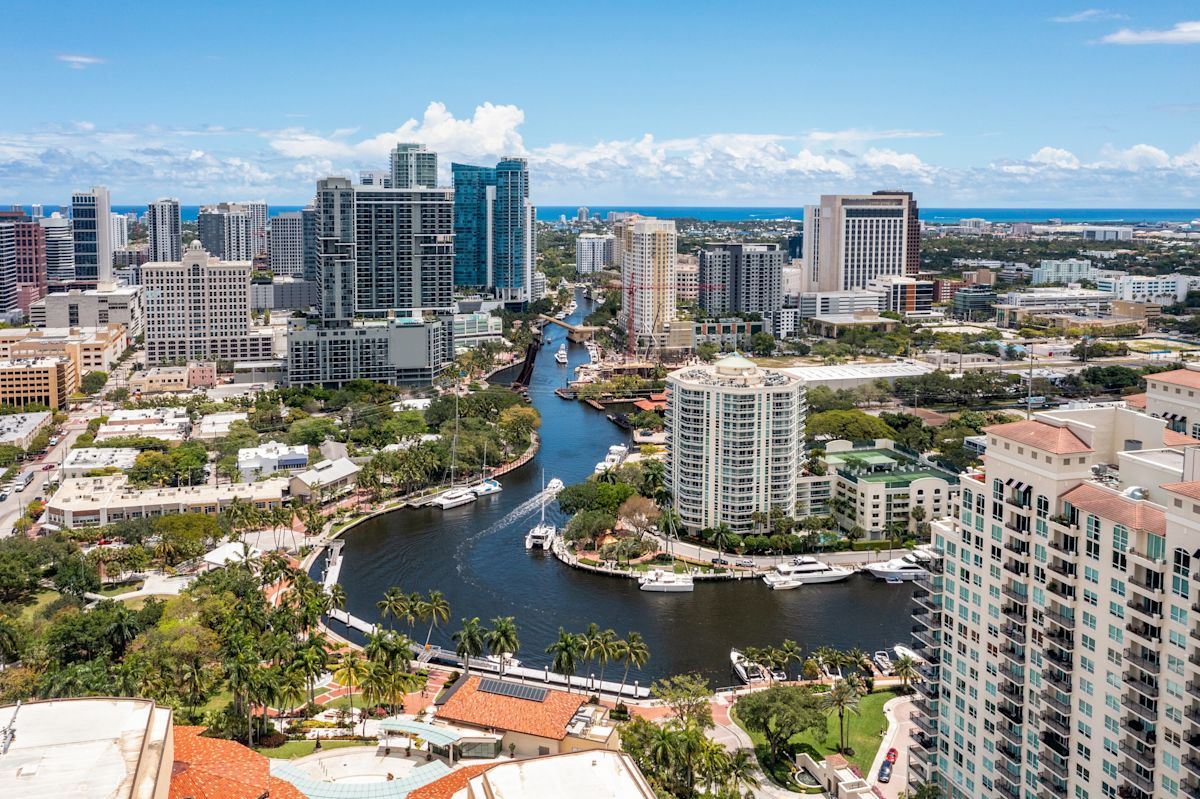
Fort Lauderdale broke its all-time September rainfall record this week, according to the National Weather Service Forecast Office Miami-South Florida.
As of 8:30 a.m. on Sept. 23, the monthly rainfall amount at Fort Lauderdale-Hollywood International Airport was 20.75 inches, more than double the 8.61 inches that’s considered average.
The NWS Miami-South Florida said in a social media post that additional rainfall was possible “over the next several days” prior to the end of the month.
The previous record for September rainfall in the Fort Lauderdale area was set in 1998, according to the post, with a total monthly rainfall amount of 18.40 inches.
Rainy September comes after ‘unusually’ hot, dry summer
The rainfall comes on the heels of an especially dry summer for South Florida, which saw an “unusually” hot summer with below-average precipitation, according to the NWS. Several areas experienced some of their driest summers on record.
“Relatively low rainfall values placed many sites among the top 10 driest summer seasons on record, and came at the heels of a dry spring,” read a Sept. 1 weather summary by the NWS Forecast Office Miami-South Florida.
Several areas also broke established heat records, according to the NWS, with Fort Lauderdale and West Palm Beach experiencing their hottest summers on record, along with the whole of the United States. Records in both cities both go back “well over 100 years.” Miami tied 2023 for its hottest summer.
Many official reporting sites saw summers within their top 10 driest on record, according to the NWS.
For instance, Homestead General Airport saw its 10th driest summer, NWS Miami-FIU saw its third driest summer, Opa-Locka Airport saw its 10th driest summer, Miami International Airport saw its eighth driest summer and Fort Lauderdale-Hollywood International Airport saw its eighth driest summer.
Although the document doesn’t point to a “single weather feature” as the cause of the dry heat, the region “experienced trends similar to those observed over much of the Caribbean region,” which is “a common feature during El Niño episodes in the summer.”
“This prevented prolonged periods of tropical moisture from affecting South Florida for long periods of time,” the summary added.
Drought persisted for longer, with “conditions which normally end in June,” including extreme drought, which lingered in the “southern Everglades” through the end of the summer. The dry summer also resulted in “several lightning-triggered wildfires,” which lasted from a week to nearly a month.
Sarah Perkel is a South Florida Connect Reporter for the USA TODAY Network’s Florida Connect team. You can get all of Florida’s best content directly in your inbox each weekday day by signing up for the free newsletter, Florida TODAY.
This article originally appeared on USA TODAY: Fort Lauderdale broke its September rainfall record after dry summer










Leave a Reply