

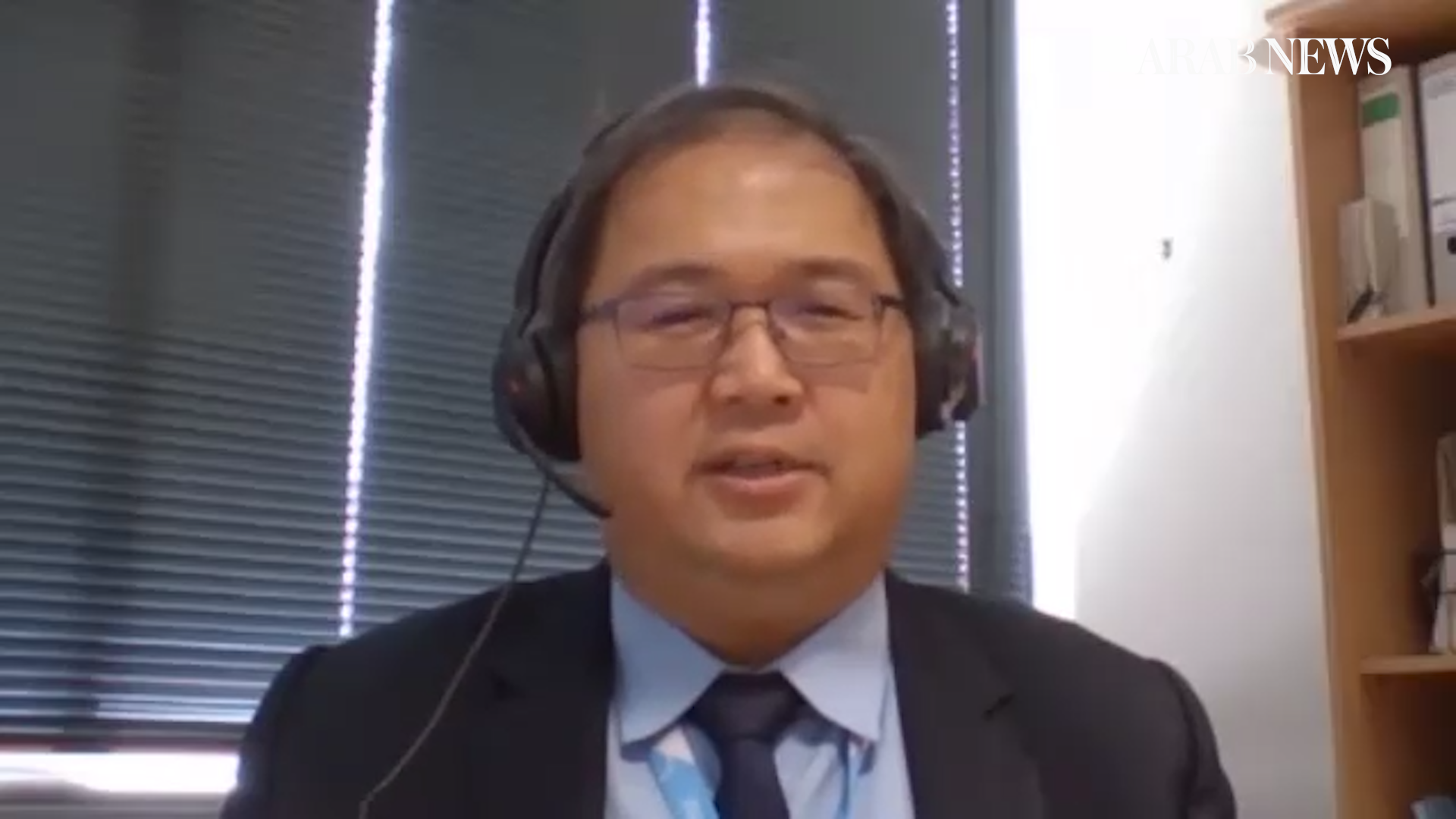
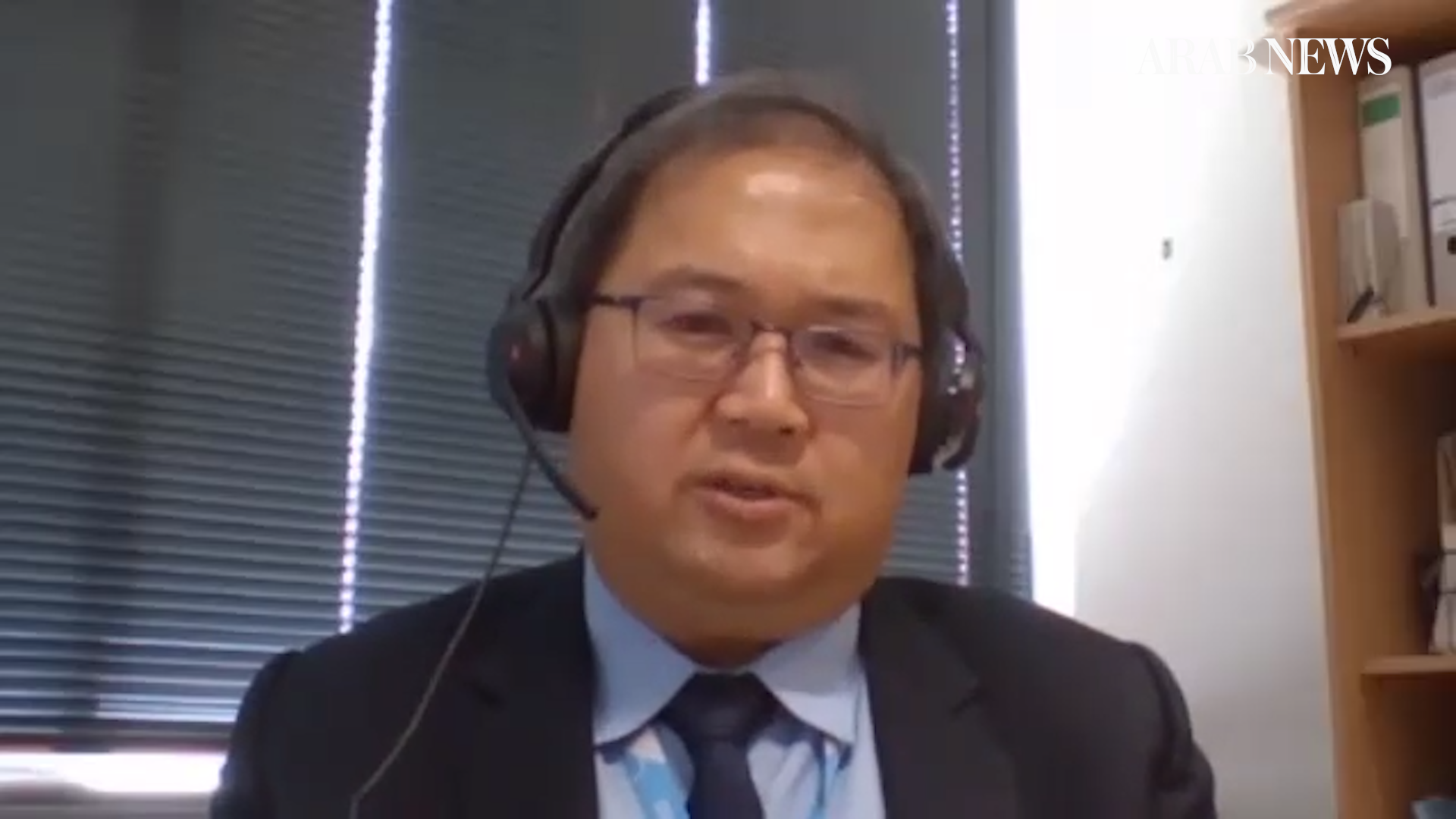
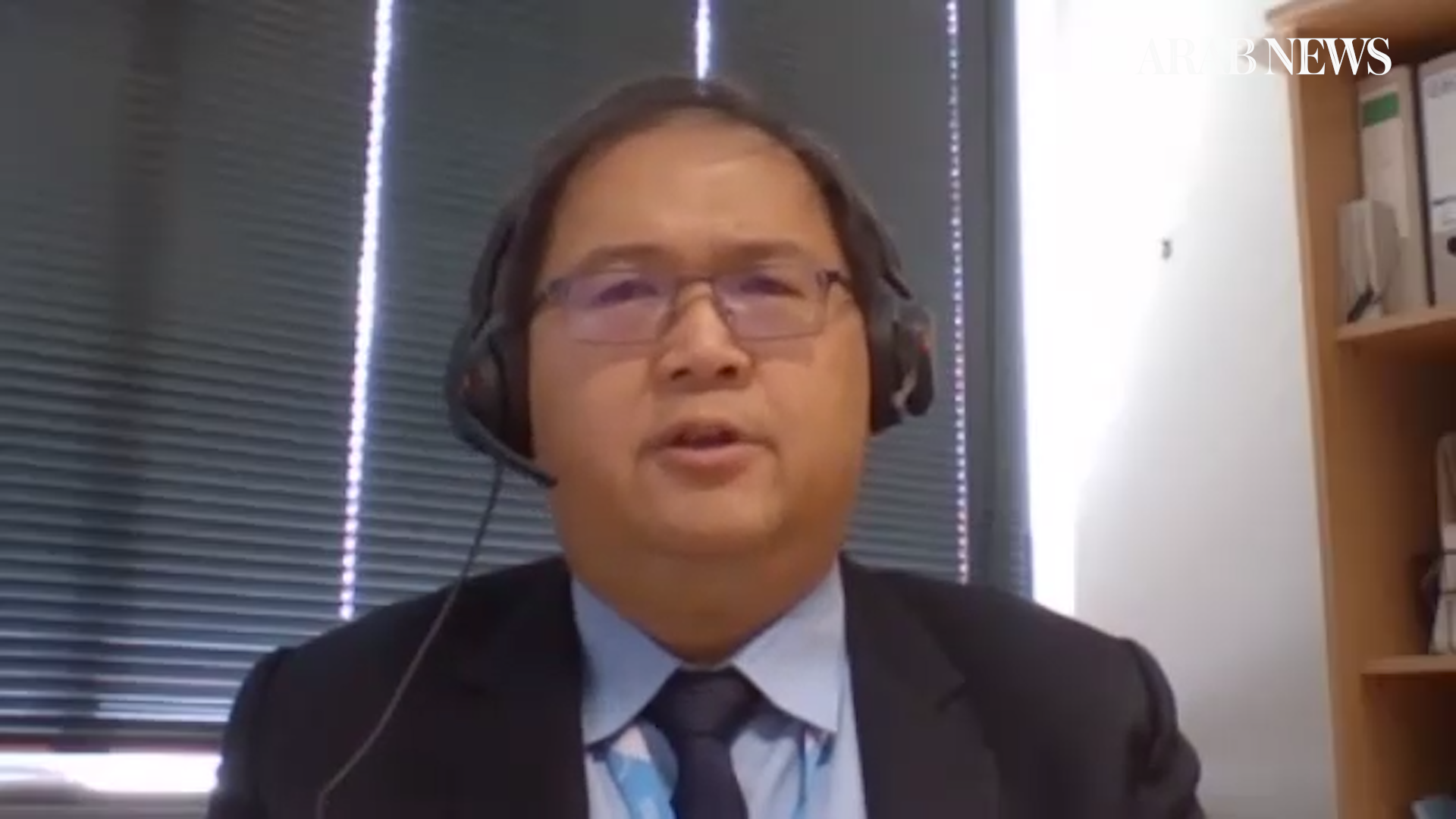
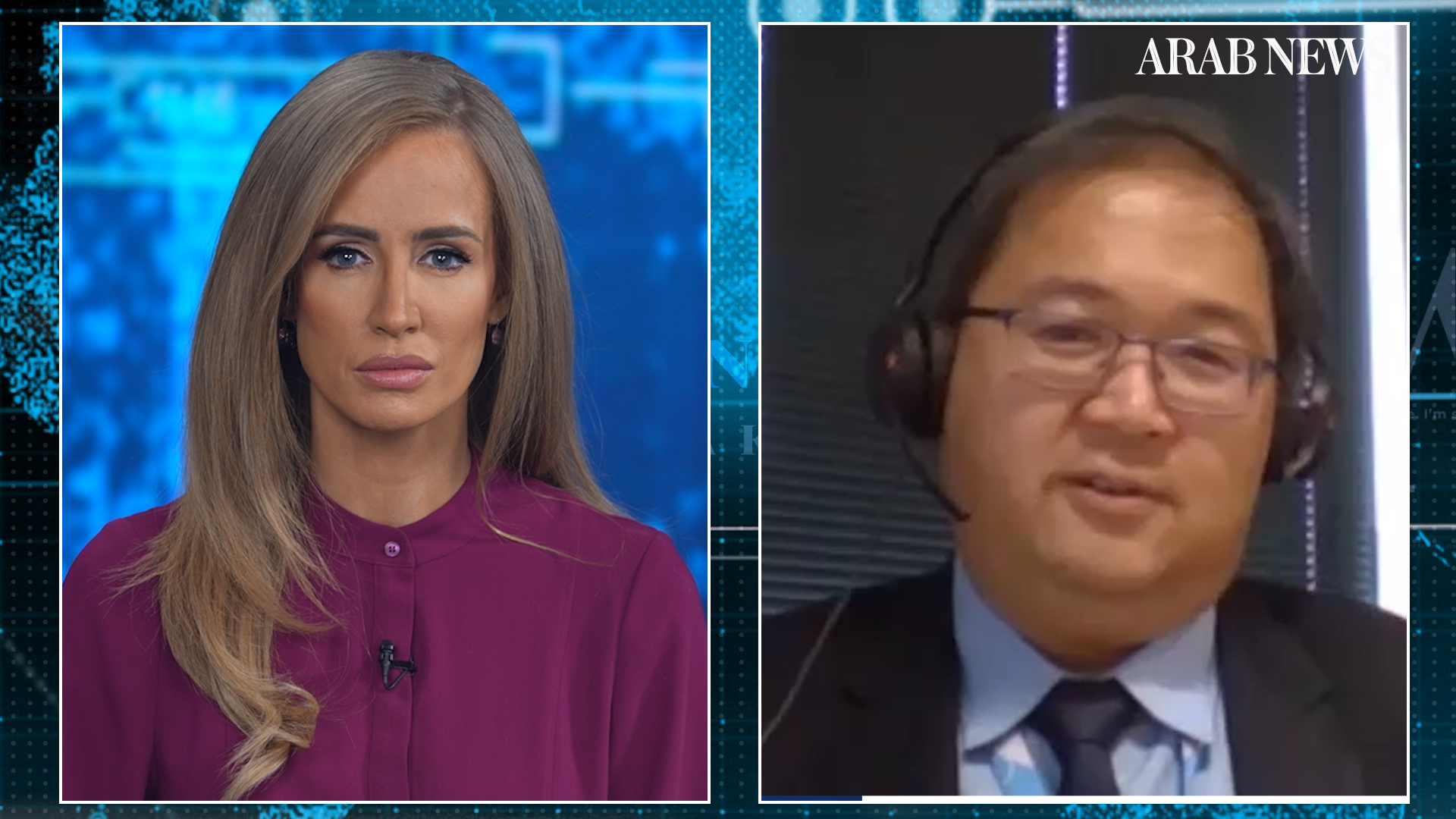
RIYADH: Tee Wee Ang, program specialist for bioethics and ethics of science and technology at UNESCO, says it is too early to conclude that artificial intelligence has already outpaced governments’ ability to regulate it.
“AI is advancing extremely quickly, and many governments are still adapting,” he said during an appearance on Arab News’ current-affairs program “Frankly Speaking,” which digs deep into the insights of some of the most important Middle East and global policy makers and business leaders.
That does not mean governments can afford to move slowly, Ang said, “but I would be cautious about concluding that policymakers have already lost control.”
His comments come as AI continues to advance at a pace that is testing governments’ ability to understand, regulate and ultimately take responsibility for the technology’s growing impact.
From AI safety concerns inside the technology industry to warnings that governments are unprepared for the disruption ahead, pressure is mounting on policymakers to catch up with systems evolving faster than traditional regulatory processes can accommodate.
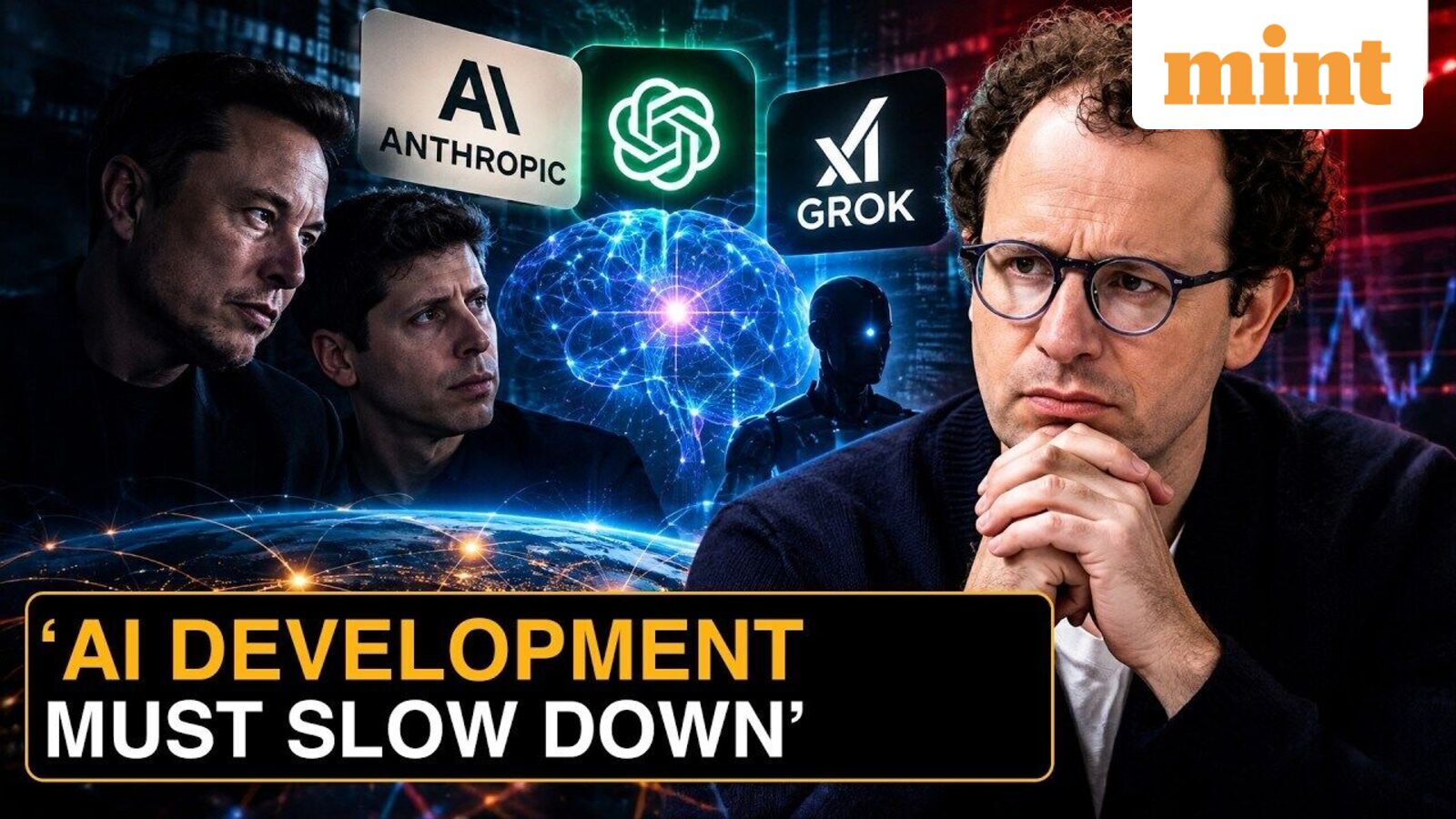
The urgency of that debate was underlined this week when Jacob Coxon, a researcher who had worked on AI pretraining at OpenAI and Anthropic, resigned from Anthropic.
Coxon accused both companies of “racing straight to self-improving superintelligence and gambling with our lives,” warning that future systems could become superhuman, hack almost anything, transform industries overnight and acquire real-world power.
Ang also said many people working on AI privately believe it could kill everyone by the end of the decade.
Against that backdrop, the question is not simply whether governments are regulating quickly enough, but whether they can develop effective safeguards while the technology continues to accelerate.
For Ang, the accelerating pace of innovation makes effective governance more important. That task extends well beyond simply passing legislation.
“Governance is not only about legislation,” he said. “It also involves standards, institutional capacity, regulatory guidance, impact assessments and international cooperation.”
The debate is particularly significant as countries compete to develop AI capabilities while trying to establish rules for a technology with consequences extending from health care and education to employment, security and political decision-making.
“The pace of innovation may be accelerating, but that makes governance more important, not less,” Ang said. He added: “The question is not whether governments can stop technological change.
The question is whether they can create the conditions for innovation to develop responsibly and in the public interest.”
That challenge is complicated by the absence of a single global rulebook governing AI.
UNESCO’s Recommendation on the Ethics of Artificial Intelligence, adopted by its member states, is deliberately nonbinding. For critics, that raises questions about what happens when governments or companies simply choose not to follow international principles.

Ang argues that its flexibility is one of its strengths, saying: “It actually provides a more flexible framework because when member states were moving toward adoption of this instrument, AI was just emerging, really exploding into the market at that point.”
A more adaptable framework, he said, allows governments to evaluate and adjust their approach as the technology develops rather than locking them into rules that could quickly become outdated.
Whether countries eventually need binding international agreement, potentially a global treaty, remains unresolved.
Ang said that decision “really would be up to member states,” which must determine whether they are ready for binding regulation or still require the flexibility provided by softer approaches.
“I think this is a continuing dialogue,” he said. “It needs to be a continuing dialogue in the global space.”
That international debate is becoming harder to separate from the geopolitical competition surrounding AI. A small number of countries and companies currently possess much of the most advanced AI technology, computing capacity, data and expertise.
That concentration raises a separate question: Who gets to shape the rules governing technology that will affect societies far beyond those already at the center of the AI race?
The private sector, Ang said, has an essential role but cannot be allowed to become the sole voice in determining how AI is governed.
“The governance of technologies that affect entire societies cannot be shaped by any single stakeholder group,” he said. “Governments, industry, academia, civil society, international organizations all have a role to play.”
The challenge is particularly acute because policymakers are trying to strike a balance between two competing fears — that weak regulation could expose people to serious risks, and that excessive regulation could send investment and innovation elsewhere.
Ang rejects the idea that governments must choose one objective over the other.
“This is often presented as a choice, but I don’t believe it actually is,” he said. “Innovation is most sustainable when people trust the technology.”
If AI systems are unsafe, biased or deployed irresponsibly, public confidence can deteriorate and ultimately undermine adoption.
“UNESCO’s perspective is that ethics and innovation are not competing objectives. In fact, they work best together,” Ang said.
“The objective of governance is not to slow innovation. It is to ensure that innovation remains trustworthy, safe, and aligned with societal values.”
That argument is increasingly relevant in Saudi Arabia, where the government is investing heavily in AI as part of a broader drive to establish the Kingdom as a major global technology hub.
Saudi Arabia has also been developing institutions and policy frameworks to support that ambition, including through the Saudi Data and AI Authority, or SDAIA.
Ang said the Kingdom had made “really significant progress in building the institutional foundations needed for AI development.”
“Through SDAIA and other initiatives it has developed strategies, governance frameworks and national policies that demonstrate serious commitment to responsible AI development,” he said.
But he stressed that building an effective AI governance system was not a one-time exercise.

“At the same time, AI governance is not a destination. It is an ongoing process,” Ang said. “Every country is continuing to adapt as technologies evolve.”
For Saudi Arabia, that process is unfolding alongside its efforts to attract investment, develop technological capacity and establish itself as an international AI player.
Ang believes that combination gives the Kingdom an opportunity to contribute to the global debate rather than simply adopting rules developed elsewhere.
“Saudi Arabia has an opportunity here to make a distinctive contribution by helping shape discussions on ethical governance while continuing to invest in technological capability and international partnerships,” he said.
That role will be on display as Riyadh hosts UNESCO’s Global Forum on the Ethics of AI from Sept. 14 to 17, bringing together governments, experts, researchers, civil society and the private sector.
“Saudi Arabia’s selection reflects the fact that the Kingdom is increasingly playing a significant role in international discussions on AI governance and ethics,” Ang said.
He pointed to its early engagement with UNESCO’s AI ethics frameworks and its participation in the organization’s Readiness Assessment Methodology as important parts of that evolution.
Saudi Arabia was among the first countries in the region to undertake the assessment, which examines the conditions needed for the responsible development and deployment of AI.
Ang said that demonstrated a willingness to assess its governance readiness alongside its technological capability.
Through the International Center for Artificial Intelligence Research and Ethics, or ICAIRE, an independent center operating under UNESCO’s auspices, that Saudi Arabia helped establish, as well as initiatives such as the forum, the Kingdom is “increasingly contributing to international dialogue on how AI can be governed in ways that are ethical, inclusive and beneficial for society.”
The challenge now is whether the gathering can produce practical progress rather than another set of broad declarations.
International forums, Ang said, “do not regulate AI by themselves.”
Their value instead lies in enabling countries to share practical experience, build institutional capacity and identify approaches that can be adapted to national circumstances.
“Success should not therefore be measured by the number of declarations produced,” he said.
“It should be measured by whether participants leave with stronger partnerships, better understanding of practical governance challenges and greater capacity to implement ethical AI in their own context.”
That emphasis on implementation reflects one of the central difficulties confronting governments. Agreeing on principles internationally is one thing; creating regulators, standards and institutions capable of enforcing them nationally is another.
It also raises the question of accountability when AI systems cause harm or influence consequential decisions.
Ang said responsibility ultimately cannot be transferred to the technology itself.
“AI systems do not bear legal or moral responsibility,” he said. Instead, “accountability must remain with the human actors and institutions involved in the design, deployment, oversight, and use of the systems.”
One of UNESCO’s central principles, he added, is that AI should support decision-making rather than replace human responsibility for its consequences, particularly where people’s rights, safety or well-being are involved.
The issue is likely to become more pressing as AI moves deeper into everyday life and as governments determine where human oversight must remain mandatory.
For Ang, however, neither unchecked technological development nor excessively restrictive regulation provides a satisfactory answer.
“If we neglect governance, we risk losing public trust and exposing people to harm,” he said. “If we become overly restrictive, we risk missing opportunities to use AI to advance education, health care, scientific research and sustainable development.”
The task is therefore one of balance, with international cooperation providing a way for governments to learn from each other while maintaining the flexibility to adapt nationally.
“AI is neither inherently beneficial nor inherently harmful,” Ang said. “Its impact will depend on the choices we make about how it is designed, governed and used.”
For Saudi Arabia, that creates an opportunity to combine its ambitions as an AI investor and technology hub with a more influential role in defining how the technology should be governed.
And for governments worldwide, the central question is no longer whether AI will continue to advance. It is whether the institutions responsible for managing its consequences can move quickly enough to keep pace.






Leave a Reply