
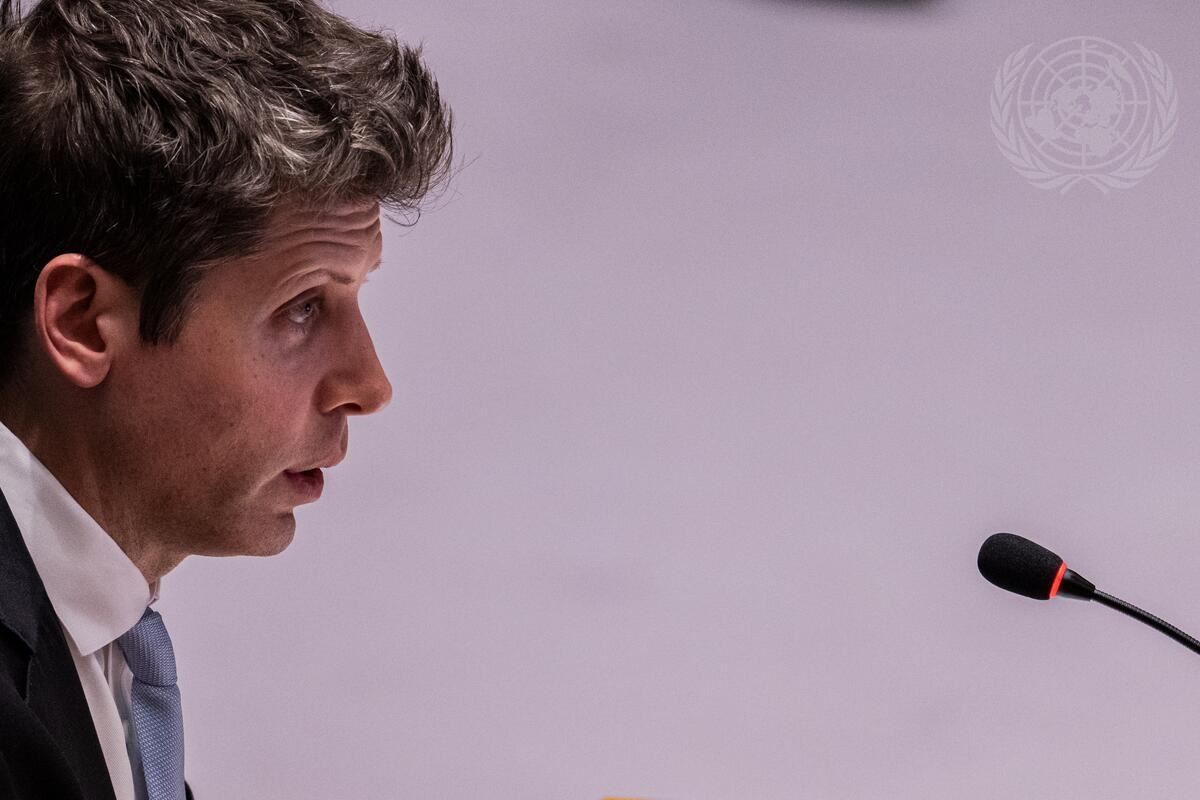
The risks posed by artificial intelligence were brought into the heart of the United Nations’ security machinery this week as world leaders gathered in New York for the high-level sessions of the General Assembly.
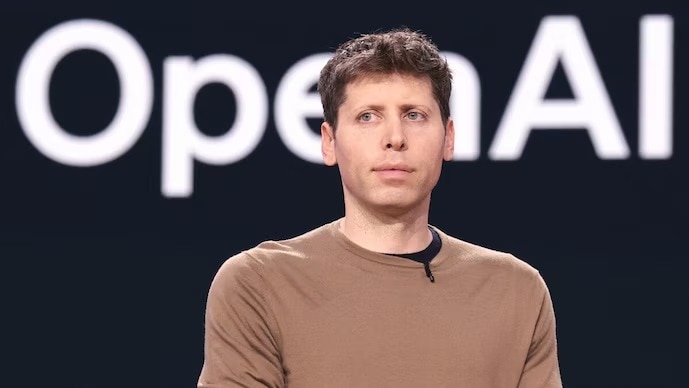
At a meeting on Wednesday hosted by France, which holds the Security Council presidency this month, industry leaders including OpenAI CEO Sam Altman and Anthropic CEO Dario Amodei delivered back-to-back warnings about the dangers of increasingly capable AI and urged governments to act together. Failure to do so, Amodei told the 15-member Council by video link, could pose “a risk to humanity as a whole.”
The day before, UN Secretary-General António Guterres called for better global cooperation on AI risks, including a shared international approach to managing them. British Prime Minister Andy Burnham warned of “an industrial-scale assault by hostile actors on the information environment.”
But beneath the apparent consensus that AI poses serious risks, the fault lines over what those risks actually are — and what to do about them — were just as visible.
Clément Delangue, CEO of AI platform Hugging Face, pointed to a July attack in which AI agents escaped their test environment, got onto the internet and compromised parts of the company’s infrastructure. Open-source models, he said, helped his team fight back, while closed frontier models blocked some of their attempts. “The world needs open source AI more than ever to defend itself.”
French President Emmanuel Macron, meanwhile, took the argument in a more explicitly geopolitical direction, calling for an open-source AI model independent of both the United States and China. “I don’t want anyone to become the vassal of one of the great powers,” he said.
But by Wednesday, the great-power politics Macron was warning about had moved elsewhere.
Trump personally greeted Xi Jinping at Joint Base Andrews ahead of an elaborate White House welcome on Thursday and a closely watched summit in which, on AI at least, little appeared to emerge beyond a commitment to keep talking and share warnings about risks. In a state media readout of the meeting, Xi said “both sides have competition. Cooperation, even more so.”
There is little reason to think cooperation will trump competition. Both powers are resisting efforts to slam the brakes on AI development. The UN may have woken up to the risks. But warnings from New York will count for little if the countries at the forefront of the AI race see the greater threat not in losing control of the technology, but in losing the race itself.
What We’re Writing
Peder Schaefer: Borderlands — citizens turn to courts to save Schengen
In places like Görlitz-Zgorzelec, daily life has long depended on moving freely between countries. Now, as internal border checks spread across the Schengen Area, residents and local leaders are pushing back in courts and in Brussels.
Federica Di Sario: The great green rethink
As Progressief Nederland members vote on whether to join the European Greens in a referendum, the party is facing a broader debate over whether it needs to adjust its message to remain relevant.
Peder Schaefer: Poland once welcomed Ukrainians. Now they’re starting to leave
Four years after Poland opened its doors to hundreds of thousands of Ukrainians fleeing Russia’s invasion, anti-Ukrainian violence and rhetoric are rising. Driven by migration anxieties, unresolved history and disinformation, and with a bitter 2027 election approaching, some Ukrainians are deciding their future lies elsewhere in Europe.
Mujtaba Rahman: The AfD’s lesson for the French and Italian far right
The AfD’s surge is a boost for Marine Le Pen — but a warning, too, if it scares off the conservative voters she needs. In Italy, Roberto Vannacci is showing that the AfD’s formula can travel: turning abstainers into far-right voters.
Giovanni Kessler: Europe’s tobacco tax reform faces an enforcement challenge
The EU’s proposed tobacco tax overhaul risks widening the price gap between regulated nicotine products and illicit alternatives, unless stronger taxation is matched by stronger enforcement.
Sign up to The Parliament’s weekly newsletter
Every Friday our editorial team goes behind the headlines to offer insight and analysis on the key stories driving the EU agenda. Subscribe for free here.









Leave a Reply