

U.S. President Donald Trump on Monday threatened further strikes against Iran after the two countries exchanged direct attacks for the first time in a month on Sunday. The development has heightened tensions in a conflict that had recently moved into an economic standoff.
Crude oil price on September 1
Brent crude futures gained 70 cents, or 0.75%, to $91.20 a barrel, while U.S. West Texas Intermediate crude rose 93 cents, or 1%, to $87. The gains followed a strong session on Monday, when Brent settled 2.7% higher, while WTI ended up gaining 3% and briefly reached its highest level since August 21.
Also read: Iran’s foreign trade plunges 35% as US sanctions deepen war’s economic toll
The latest escalation has brought the possibility of Iranian retaliation back into focus, raising concerns about potential damage to energy infrastructure around the Gulf and creating fresh uncertainty over shipping through the Strait of Hormuz.

Mediation efforts by countries including Qatar and Oman to reach an agreement that would allow the Strait of Hormuz to reopen have so far made little progress. The waterway, which carried about a fifth of global oil supplies before the war began in late February, was shut by Iran after the U.S. and Israel attacked the country on February 28.
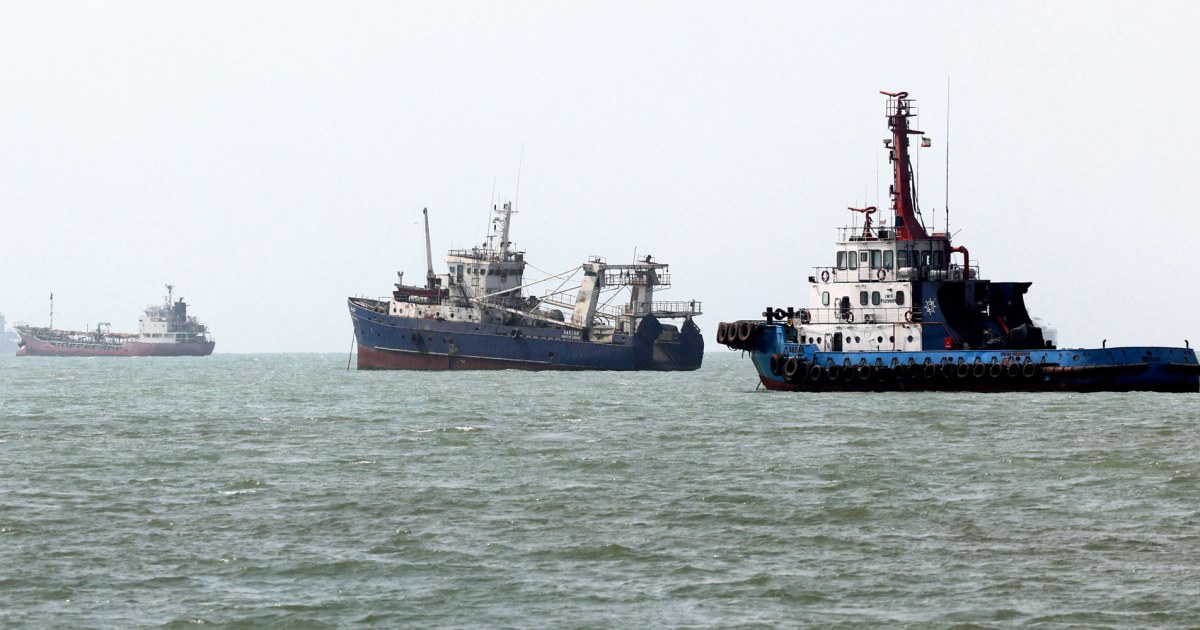
The risks to shipping and oil supplies were underscored on Tuesday when the United Kingdom Maritime Trade Operations agency said a tanker had reported being struck by three projectiles while sailing out of the Strait of Hormuz. No casualties or environmental impact were reported, a Reuters report stated.
What are experts saying?
The duration of the disruption will be a key factor for crude markets. JPMorgan estimates that every additional month of disruption could push Brent prices up by around $7 to $8 a barrel. If the disruption lasts three months, the bank expects average monthly Brent prices to reach around $114 a barrel.
Goldman Sachs has also warned that Brent could rise to $120 a barrel if shipping disruptions through the Strait of Hormuz, the world’s most important oil transit route, persist. Its base case, however, assumes that tensions in the Middle East will eventually ease.
Read more: Donald Trump vows to hit Iran hard after first exchanges of fire in a month
The bank expects Brent to average $80 a barrel in the fourth quarter and $75 a barrel next year, while cautioning that risks remain skewed to the upside if disruptions in the Strait of Hormuz and the Red Sea last longer than expected.
Ponmudi R, CEO of Enrich Money, said crude prices would remain closely tied to developments around the Strait of Hormuz. He said a sustained recovery in shipping flows could further unwind the geopolitical premium in crude and provide relief to emerging-market equities, while renewed disruptions could quickly reverse that trend.
(Disclaimer: Recommendations, suggestions, views and opinions given by the experts are their own. These do not represent the views of The Economic Times)










Leave a Reply