
Sept. 8, 2026Updated Sept. 9, 2026, 7:53 a.m. ET
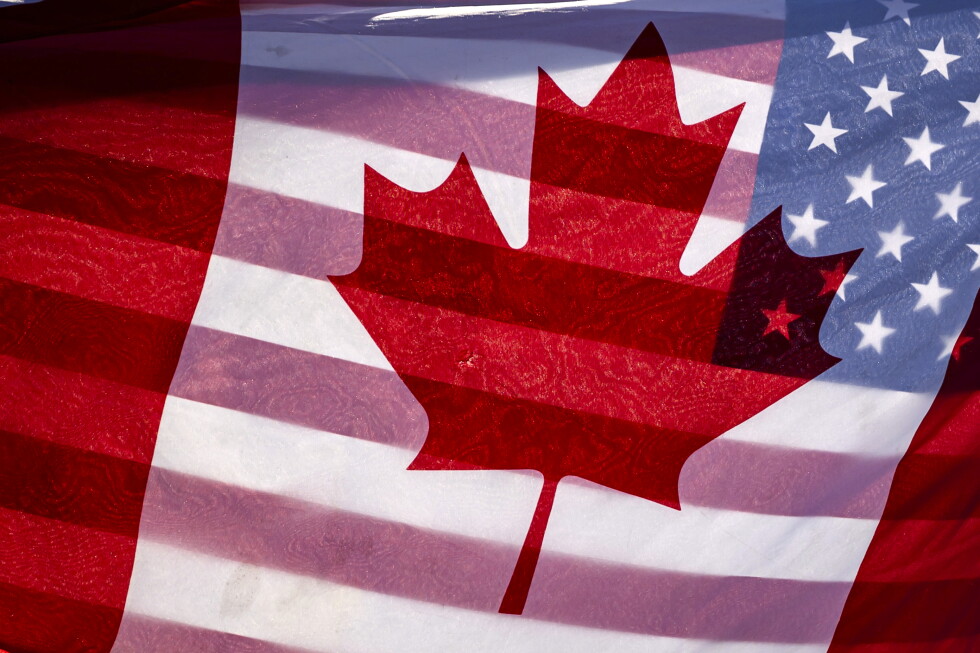
The United States will ban a range of Canadian goods, including dairy products, alcohol and motorcycles, White House officials said Sept. 8.
The Trump administration announced the upcoming bans amid an escalating trade dispute with Canada, a longtime U.S. ally. The bans are expected to take effect in three weeks, according to senior administration officials.
“I found as a fact that Canada is discriminating in fact against the commerce of the United States,” President Donald Trump wrote in a series of proclamations issued the evening of Sept. 8. “This discrimination places the commerce of the United States at a disadvantage compared to the commerce of other countries.”

USA TODAY reached out to Canadian officials for comment on Trump’s proclamations.
The bans will stop imports of a wide range of Canadian goods, including whey protein concentrates, nonalcoholic beer, beers and sparkling wines.
Trump administration officials said the bans come in response to Canada’s move to tariff American goods, including dairy, appliances, agricultural equipment, pulp and paper, plastics and electronics.
Canada’s new tariffs went into effect Sept. 8. Canada’s Finance Minister François-Philippe Champagne said the measures were a “dollar-for-dollar” match for the 50% tariffs Trump imposed on an estimated 5% worth of Canadian imports.
Trump also issued proclamations that would apply 50% tariffs on other Canadian products, including drawing paper, steel and aluminum products and golf carts. Among many cheeses getting new tariffs are cheddar, grated Parmesan and Roquefort. The new tariffs would go into effect in one week.
The bans are expected to have an impact on billions of dollars worth of products, according to senior administration officials, however the new tariffs are not expected to significantly increase the $20 billion worth of goods Trump has already moved to tariff.
Canadian business leaders said the announced bans and new tariffs were meant to punish Canada for “standing up” and that ultimately the trade war was neither in the interest of Americans or Canadians.
“They’re seeking to make an example of Canada, even though everyone knows we’re their closest trading partner,” said Candace Laing, president and CEO of the Canadian Chamber of Commerce and a member of Prime Minister Carney’s Advisory Committee on Canada-U.S. Economic Relations.
“Ultimately, we will end up back at the table because the math is the same. Together, we’re stronger. Apart, we’re weaker,” Laing said. “It will be on the U.S. government to justify to its businesses, workers and communities the price for them of going it alone and paying more to do it.”









Leave a Reply