

Summary: AI tools can give investors better access to data, analysis and market insights, but widespread access makes them less of a differentiator. The real edge remains an investor’s temperament, particularly when the markets turn volatile.
Every investor has had plenty of exposure to tools, apps and websites that promise to put AI at your service. Services claim to survey the entire market for the next multibagger continuously, create the perfect portfolio for you, time your sales and purchases and God knows what more. Even if the claims are true, and I don’t think they are, anyone else can use them too, which should make you think about how much of an advantage they can give you.
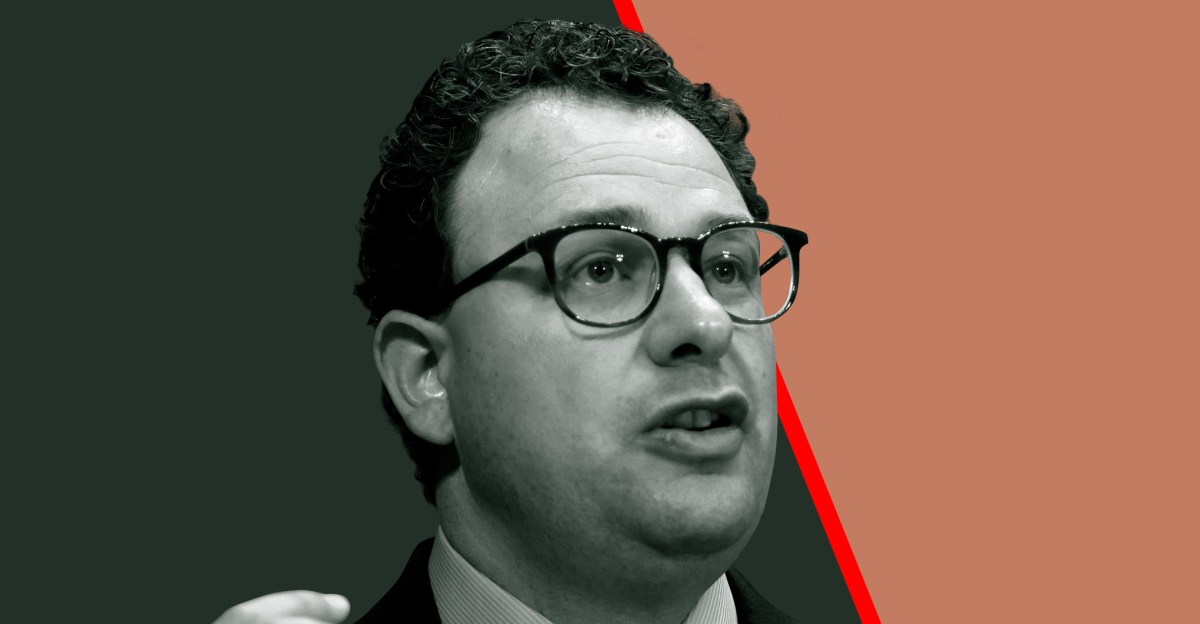
The other day, I was reminded of this by a new book from Vineet Nayar, former CEO of HCL Tech. Nayar’s first book was ‘Employees First, Customers Second’, one of the few Indian ‘airport books’ to have earned a reputation on merit rather than marketing. Now he has written another one, ‘Humans First, Machines Second’, for businesses trying to cope with you-know-what. What I found interesting is that even though the book is written for businesses, its main argument applies to many other areas of life. Nayar sees AI as an equaliser: it is powerful, but it’s available to everyone. And if it is available to everyone, it cannot be a differentiator; it cannot set you apart from others.
Of course, Nayar is talking about businesses competing with each other, but the same logic applies to investors, especially small investors. When you and the person next to you, and a few crore more, are all using the same machine to get better results from the same markets, that machine cannot be an advantage for anyone. If it can spot an opportunity in an underpriced stock for you, it can spot the same opportunity for everyone at the same time, which means that it’s not an opportunity for anyone.
Now we get to the interesting part of this thesis: If the tools are the same, or at least they will soon be, what differentiates one investor from another? The answer is as far from AI as it can be: the investor’s own temperament. Can you make a sensible plan and then stick to it when the market falls 30 per cent, or will you cut and run? No machine will supply this quality because it is not about knowledge, data, analysis, or anything like that.
I have to be careful here because my company has spent three-plus decades building tools that give investors knowledge, data and analysis, and I don’t want to pretend those things are useless. When used well, the tools save people from ignorance and expensive mistakes. My concern is that the tools can save you from a lack of knowledge but not from being the kind of investor who has a good plan but is actually driven by fear, greed and panic.
However, the new generation of AI tools needs us investors to be more cautious than we were with the older non-AI digital tools. AI tools are (at least, till now) sycophantic. I’m sure you have noticed this. They do this unless you carefully guide them away from sycophancy. And since it’s pleasing to be told ‘You are absolutely right’, which is the characteristic AI phrase, who doesn’t like being agreed with? If you ask about a stock or a fund that you like, the AI will typically spew back a confident and well-argued version of what you said. Ask it whether the stock you have already fallen for is worth buying, and it will find you reasons for that; tell it you are scared by the fall, and it will tell you why you must sell. The one thing humans need most in an advisor is a counter-argument, not an obliging yes-man.
All things considered, I see that the AI advantage is real, but it needs work to use well, and it needs even more work to avoid using badly. Vineet Nayar’s title, ‘Humans First, Machines Second’, is meant as advice for companies desperately trying to put AI everywhere because it’s somehow become fashionable to believe AI can do everything better than humans. As I’ve shown above, investors need the same advice.
Also read: If everyone has AI, who wins?









Leave a Reply